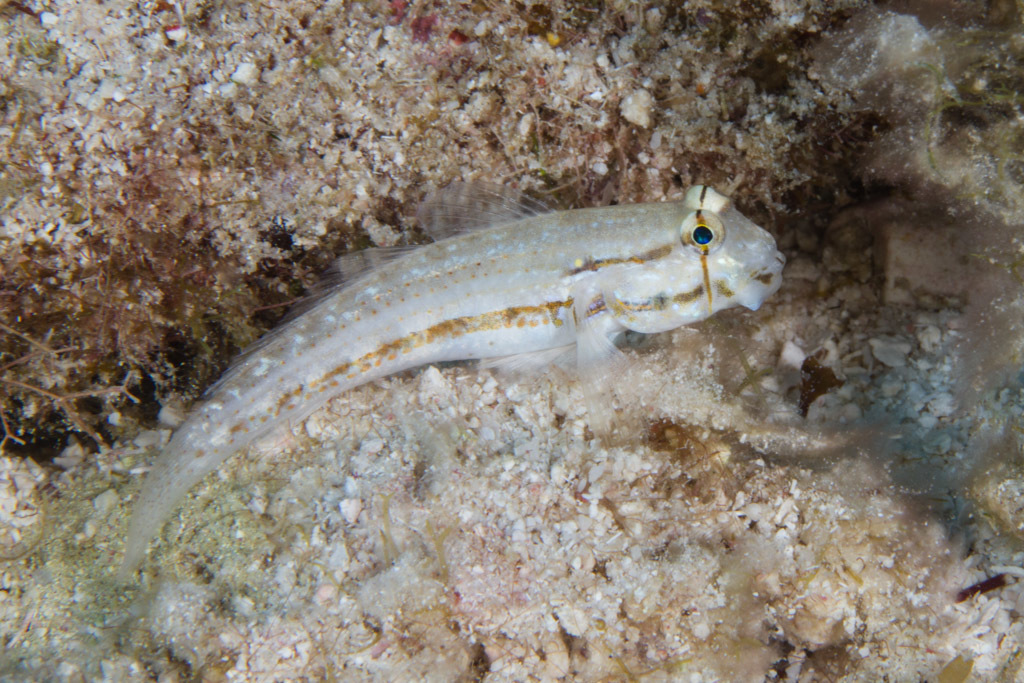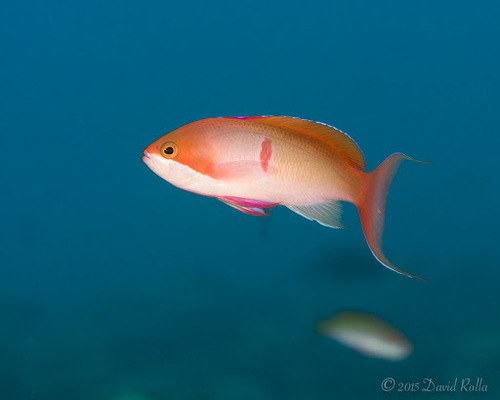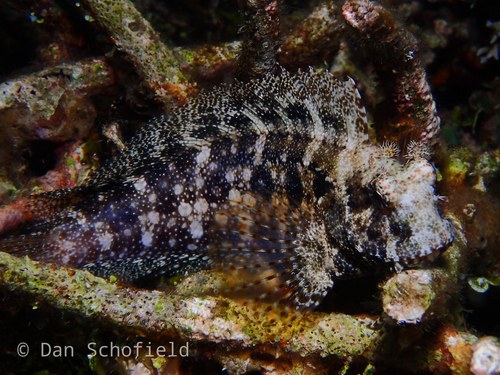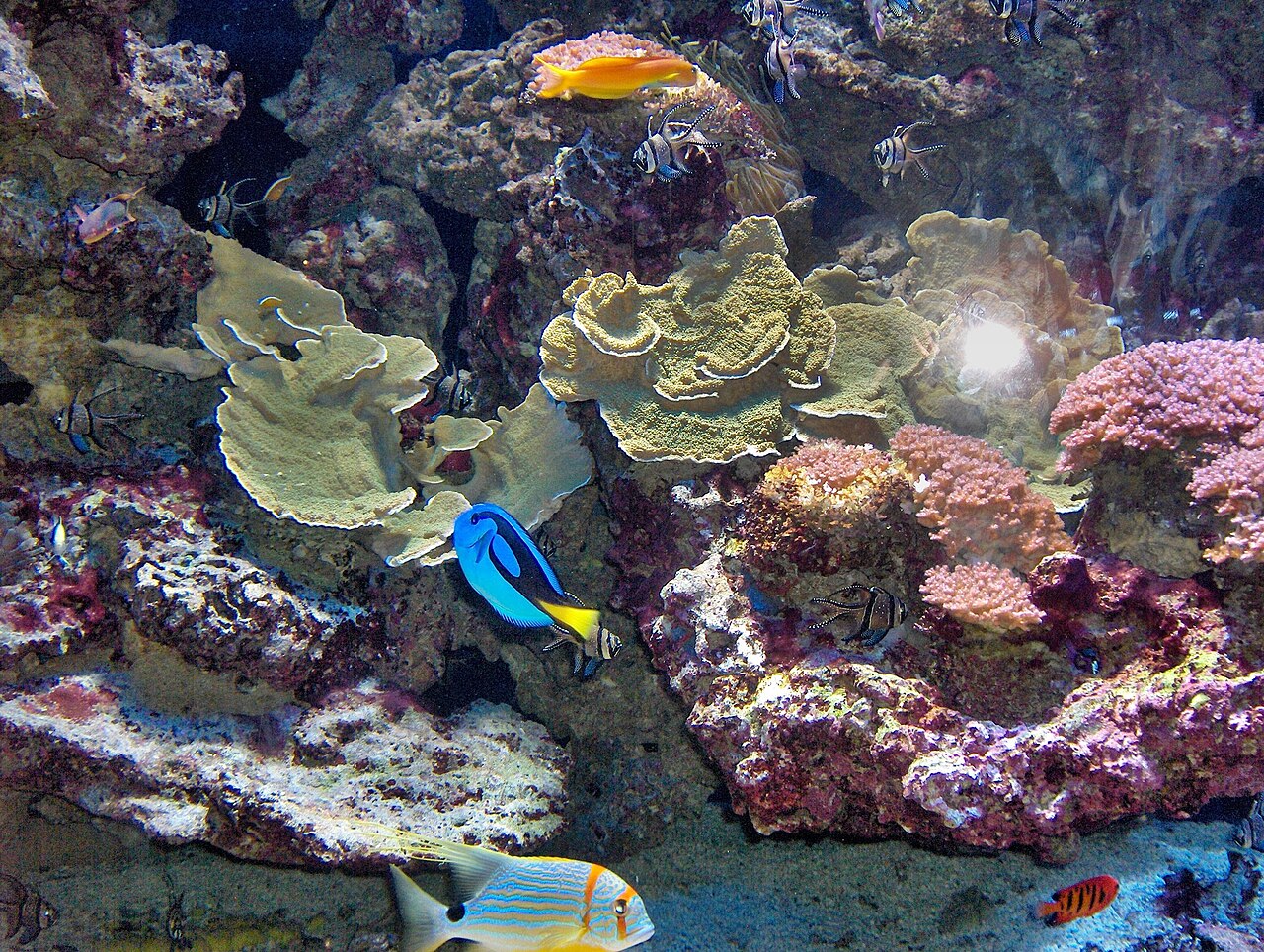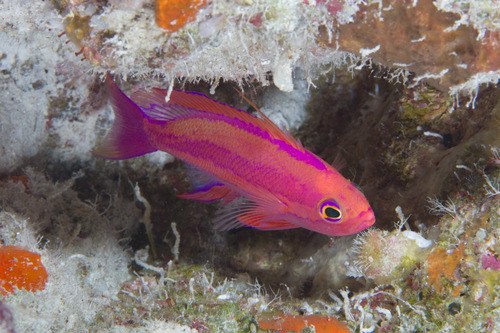
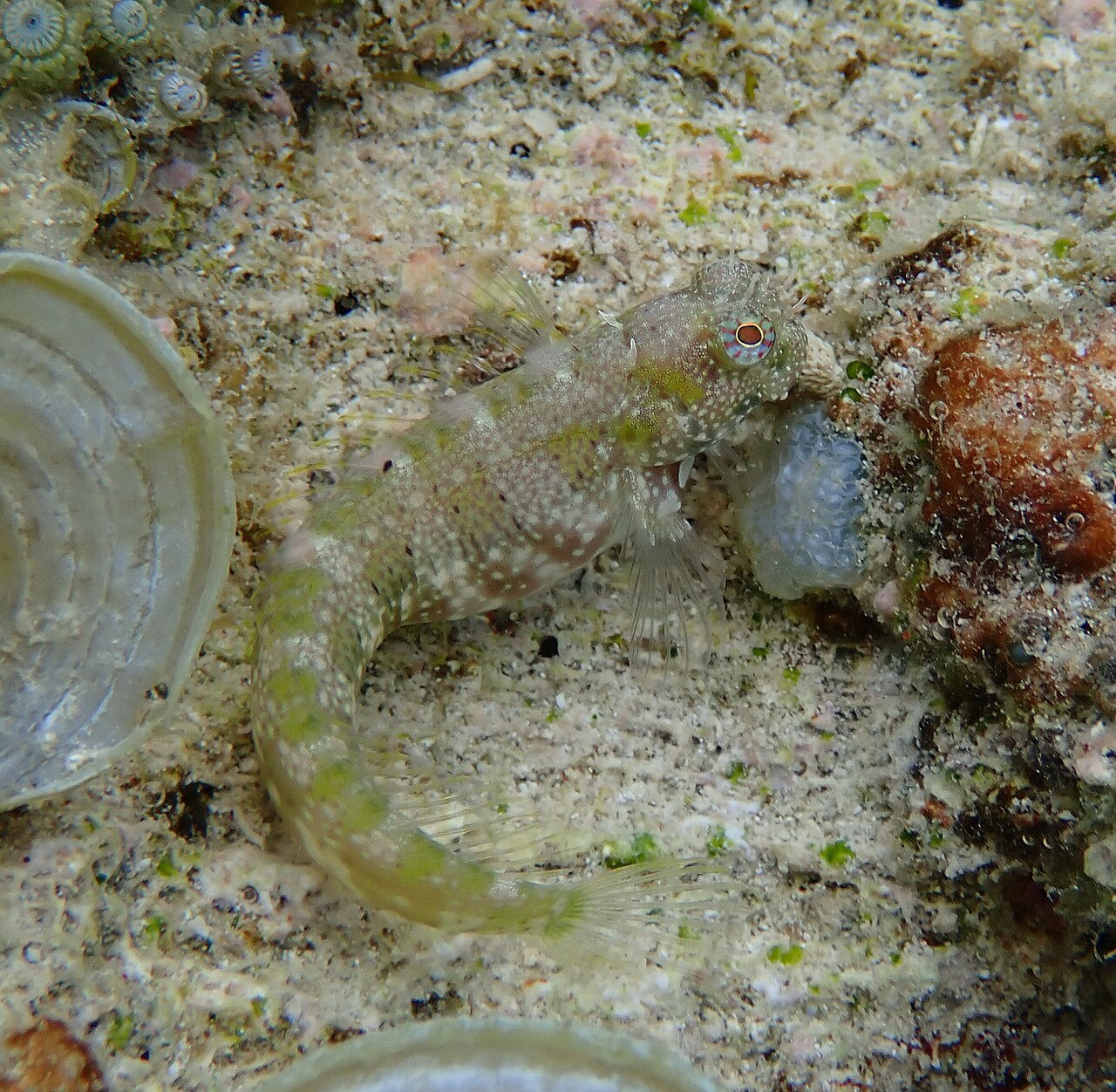
Breast-spot blenny
salarias guttatus
In Stock
Common stock
Wild Caught
Moderate care
With Caution
SKU: ML-MF-0111
The Breast-spot blenny is known for its vibrant colors and unique markings, making it a captivating addition to marine aquariums.
Pricing for Verified Importers
Log in to see wholesale prices and order.
Export Size
up to 10.0 cm
Origin
Indo-Pacific
Temperature
24.0–28.0°C
Min. Tank Size
100 L
Salinity
1.020–1.025 ppt
pH
8.10–8.40
Diet
herbivore
The Breast-spot blenny (Salarias guttatus) is a striking marine fish native to the coral reefs of the Indo-Pacific region. This species is characterized by its elongated body, which can reach up to 10 cm in length, and distinctive color patterns that include a mix of yellow, green, and blue hues. The breast-spot blenny features unique dark spots on its body, particularly around the pectoral fins, which contribute to its visual appeal and offer excellent camouflage among the reef’s crevices and rocky substrates.
In terms of behavior, the Breast-spot blenny is known for its curious and playful nature. It often engages in social interactions with other fish and can be observed darting in and out of its hiding spots. This species is primarily diurnal, becoming more active during daylight hours as it forages for food and explores its environment. The blenny’s territorial instincts can lead to aggressive displays, especially towards others of its kind, making it essential to provide ample space and hiding spots in the aquarium.
Habitat-wise, the Breast-spot blenny typically inhabits shallow coral reefs, rocky substrates, and sandy bottoms, where it can find plenty of nooks and crannies to hide in. These habitats are rich in algae, which forms a significant part of their diet. As herbivores, they play a crucial role in maintaining the health of coral ecosystems by grazing on algae and preventing overgrowth that can smother corals.
When considering the Breast-spot blenny for your aquarium, it’s important to replicate its natural environment as closely as possible to ensure its well-being and longevity in captivity.
In terms of behavior, the Breast-spot blenny is known for its curious and playful nature. It often engages in social interactions with other fish and can be observed darting in and out of its hiding spots. This species is primarily diurnal, becoming more active during daylight hours as it forages for food and explores its environment. The blenny’s territorial instincts can lead to aggressive displays, especially towards others of its kind, making it essential to provide ample space and hiding spots in the aquarium.
Habitat-wise, the Breast-spot blenny typically inhabits shallow coral reefs, rocky substrates, and sandy bottoms, where it can find plenty of nooks and crannies to hide in. These habitats are rich in algae, which forms a significant part of their diet. As herbivores, they play a crucial role in maintaining the health of coral ecosystems by grazing on algae and preventing overgrowth that can smother corals.
When considering the Breast-spot blenny for your aquarium, it’s important to replicate its natural environment as closely as possible to ensure its well-being and longevity in captivity.
To successfully care for the Breast-spot blenny, it's essential to maintain stable water parameters. The ideal temperature range for this species is between 24°C and 28°C, with a salinity of 1.020 to 1.025 ppt. The pH should be kept between 8.1 and 8.4, reflecting the conditions of its natural habitat. A minimum tank size of 100 liters is recommended to provide sufficient space for swimming and foraging.
Feeding the Breast-spot blenny requires a varied diet, including high-quality algae pellets, spirulina, and other herbivorous foods. It’s important to provide a diverse diet to ensure optimal health. Compatibility with other fish is generally good, though caution should be exercised when housing multiple blennies or similar species due to territorial behavior.
Acclimation should be conducted slowly to minimize stress. It is advisable to quarantine new arrivals for at least two weeks to monitor for any signs of disease before introducing them into the main tank. Ensuring a proper acclimation process will help your Breast-spot blenny thrive in its new environment.
Feeding the Breast-spot blenny requires a varied diet, including high-quality algae pellets, spirulina, and other herbivorous foods. It’s important to provide a diverse diet to ensure optimal health. Compatibility with other fish is generally good, though caution should be exercised when housing multiple blennies or similar species due to territorial behavior.
Acclimation should be conducted slowly to minimize stress. It is advisable to quarantine new arrivals for at least two weeks to monitor for any signs of disease before introducing them into the main tank. Ensuring a proper acclimation process will help your Breast-spot blenny thrive in its new environment.
The Breast-spot blenny is suitable for shipping due to its hardy nature. It is important to use appropriate packing materials to maintain stable temperatures during transport. A packing density of 1 fish per liter is recommended to minimize stress. This species is sensitive to temperature fluctuations, so maintaining a consistent temperature between 24°C to 28°C during shipping is crucial. There are no known CITES restrictions for this species.
Species Parameters
Max Adult Size
10.0 cm
Origin
Indo-Pacific
Diet
herbivore
Temp Min
24.0 °C
Temp Max
28.0 °C
Salinity Min
1.020
Salinity Max
1.025
pH Min
8.10
pH Max
8.40
Min Tank
100 L