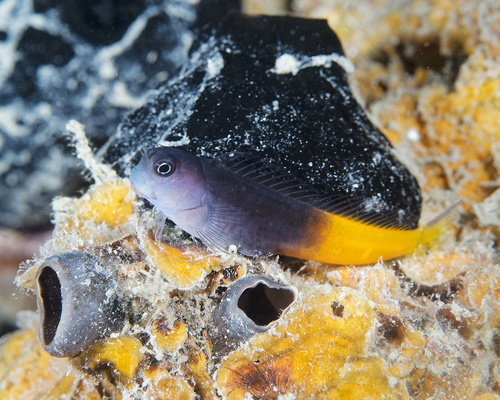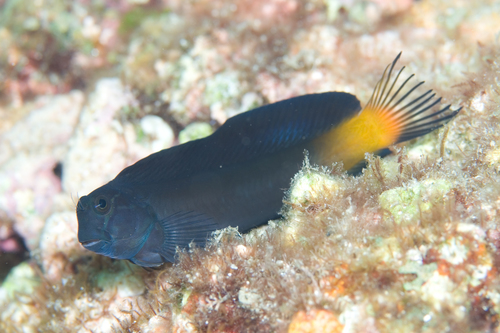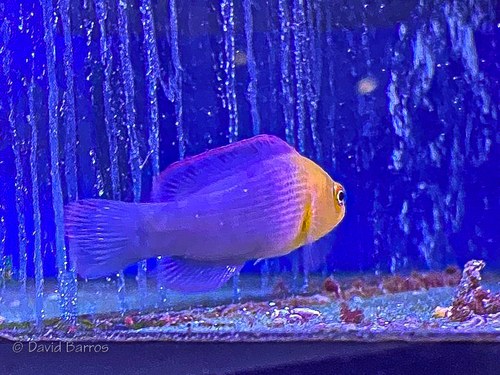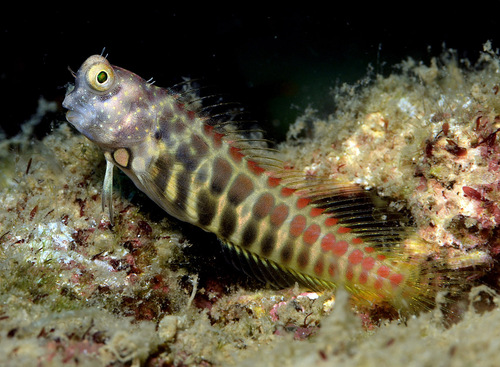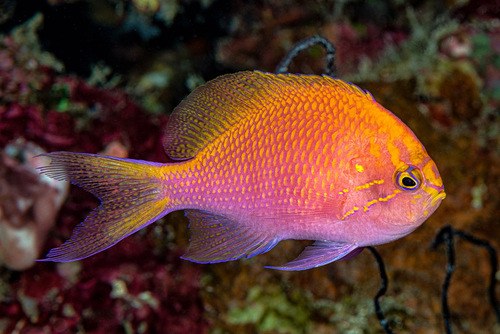
Fathead Sunburst Anthias
Serranocirrhitus Latus
In Stock
Common stock
Wild Caught
Moderate care
With Caution
SKU: CB-MF-0200
The Fathead Sunburst Anthias is a vibrant, stunning addition to any marine aquarium.
Pricing for Verified Importers
Log in to see wholesale prices and order.
Export Size
up to 10.0 cm
Origin
Indo-Pacific
Temperature
24.0–28.0°C
Min. Tank Size
200 L
Salinity
1.020–1.025 ppt
pH
8.10–8.40
Diet
carnivore
The Fathead Sunburst Anthias (Serranocirrhitus latus) is a striking marine fish native to the coral reefs of the Indo-Pacific region. Known for its vibrant coloration, the anthias displays a stunning gradient of oranges, yellows, and pinks, making it a sought-after species for both hobbyists and commercial aquarists. With its distinctive elongated body and large dorsal fin, the Fathead Sunburst Anthias stands out among reef inhabitants, showcasing its beauty as it swims gracefully in schools near the reef structure.
In its natural habitat, this species prefers shallow waters, typically found at depths of 10 to 50 meters, where they inhabit coral-rich areas. They are social creatures, often seen in groups, which helps provide safety from predators. Their diet mainly consists of zooplankton and small crustaceans, which they actively hunt in the water column. This active feeding behavior adds dynamic movement and energy to the aquarium environment.
Behaviorally, the Fathead Sunburst Anthias is known for its peaceful temperament, making it an excellent choice for community tanks. They thrive in well-maintained environments with ample swimming space and hiding spots, allowing them to exhibit their natural behaviors. Males are usually larger than females and can display dominant behaviors during mating rituals, which can be fascinating to observe in a home aquarium setting.
Overall, the Fathead Sunburst Anthias is not just a beautiful fish; it plays a crucial role in maintaining the health of coral reef ecosystems by controlling zooplankton populations. Its stunning appearance and social behavior make it a favorite among aquarists and a valuable species for the aquarium trade.
In its natural habitat, this species prefers shallow waters, typically found at depths of 10 to 50 meters, where they inhabit coral-rich areas. They are social creatures, often seen in groups, which helps provide safety from predators. Their diet mainly consists of zooplankton and small crustaceans, which they actively hunt in the water column. This active feeding behavior adds dynamic movement and energy to the aquarium environment.
Behaviorally, the Fathead Sunburst Anthias is known for its peaceful temperament, making it an excellent choice for community tanks. They thrive in well-maintained environments with ample swimming space and hiding spots, allowing them to exhibit their natural behaviors. Males are usually larger than females and can display dominant behaviors during mating rituals, which can be fascinating to observe in a home aquarium setting.
Overall, the Fathead Sunburst Anthias is not just a beautiful fish; it plays a crucial role in maintaining the health of coral reef ecosystems by controlling zooplankton populations. Its stunning appearance and social behavior make it a favorite among aquarists and a valuable species for the aquarium trade.
To successfully keep Fathead Sunburst Anthias, it's essential to replicate their natural habitat as closely as possible. Water parameters should be maintained at a temperature of 24-28°C, with salinity levels between 1.020 and 1.025 ppt. pH should ideally range from 8.1 to 8.4. A minimum tank size of 200 liters is recommended to provide ample swimming space and reduce stress among these active fish.
Feeding should consist of a varied diet rich in high-quality marine flakes, pellets, and frozen foods such as mysis shrimp and copepods to mimic their natural diet. Due to their social nature, it is advisable to keep them in groups, ideally with one male and several females to promote natural schooling behavior. Compatibility with other peaceful fish species is typically good, although care should be taken to avoid overly aggressive tank mates.
Acclimation should be gradual to minimize stress; float the sealed bag in the aquarium for about 15 minutes before slowly introducing tank water into the bag. Quarantine new arrivals for at least two weeks to monitor for any signs of disease before introducing them to the main tank, ensuring a healthy environment for all inhabitants.
Feeding should consist of a varied diet rich in high-quality marine flakes, pellets, and frozen foods such as mysis shrimp and copepods to mimic their natural diet. Due to their social nature, it is advisable to keep them in groups, ideally with one male and several females to promote natural schooling behavior. Compatibility with other peaceful fish species is typically good, although care should be taken to avoid overly aggressive tank mates.
Acclimation should be gradual to minimize stress; float the sealed bag in the aquarium for about 15 minutes before slowly introducing tank water into the bag. Quarantine new arrivals for at least two weeks to monitor for any signs of disease before introducing them to the main tank, ensuring a healthy environment for all inhabitants.
When shipping Fathead Sunburst Anthias, it is crucial to maintain stable temperatures between 24-28°C to prevent stress. Packing density should allow for adequate oxygen exchange, typically one fish per 5-10 liters of water. Ensure that the bags are well-oxygenated to support their active nature during transport. This species is not listed under CITES, thus facilitating smoother export processes.
Species Parameters
Max Adult Size
10.0 cm
Origin
Indo-Pacific
Diet
carnivore
Temp Min
24.0 °C
Temp Max
28.0 °C
Salinity Min
1.020
Salinity Max
1.025
pH Min
8.10
pH Max
8.40
Min Tank
200 L