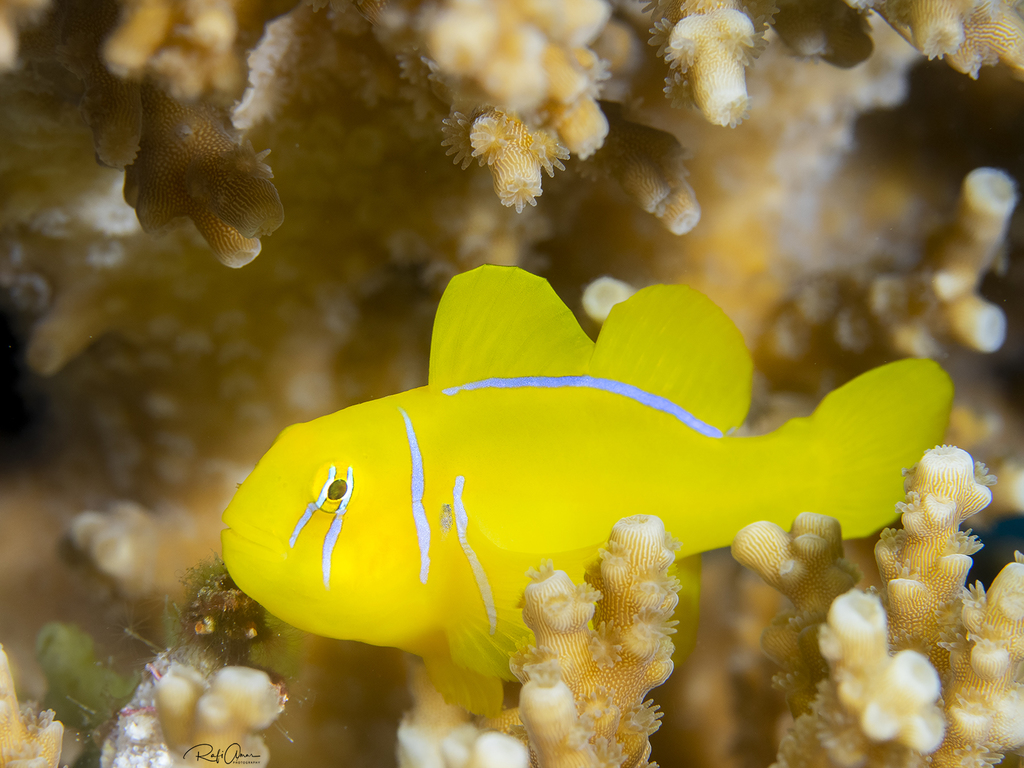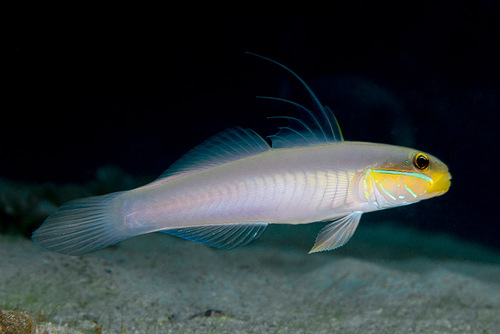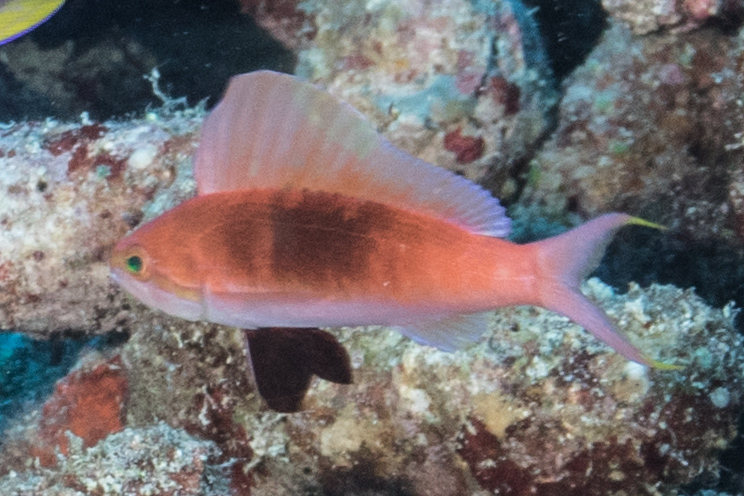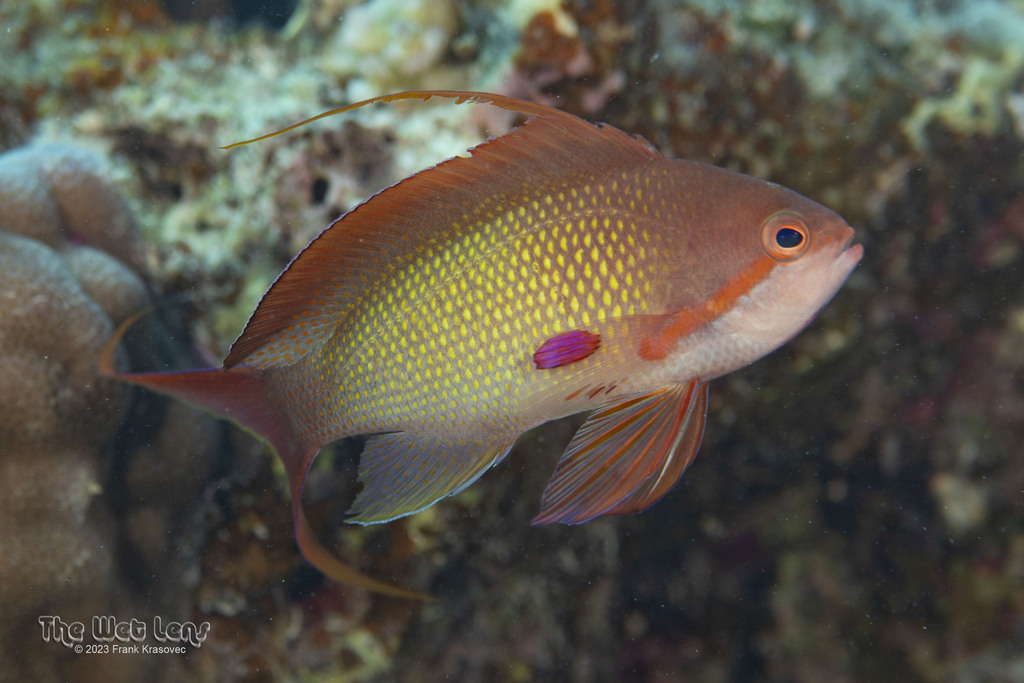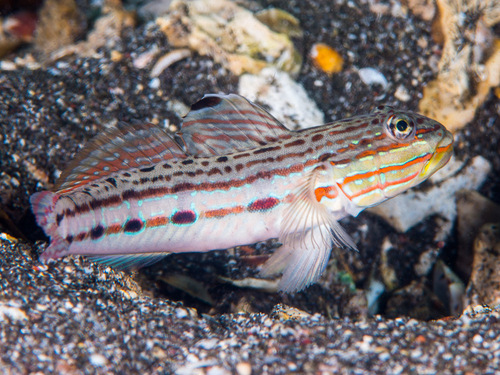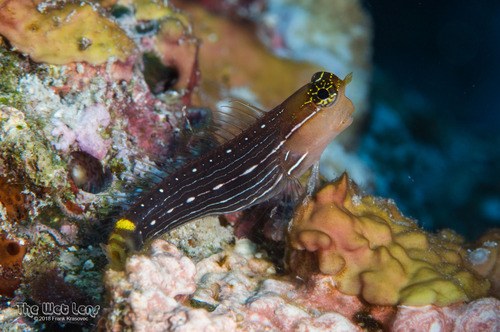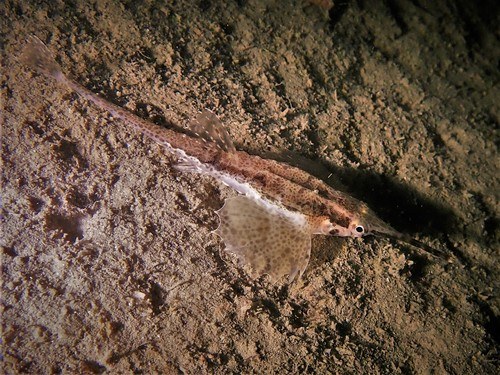
Longtail seamouth
Pegasus volitans
In Stock
Common stock
Wild Caught
Moderate care
With Caution
SKU: CB-MF-0260
The Longtail seamouth is a unique marine fish known for its elongated body and striking coloration.
Pricing for Verified Importers
Log in to see wholesale prices and order.
Export Size
up to 15.0 cm
Origin
Indo-Pacific
Temperature
24.0–28.0°C
Min. Tank Size
200 L
Salinity
1.020–1.025 ppt
pH
8.10–8.40
Diet
carnivore
The Longtail seamouth (Pegasus volitans) is a fascinating marine species found primarily in the warm waters of the Indo-Pacific region. This fish is characterized by its elongated body and long, tapering tail, which gives it a distinctive silhouette. The body is adorned with a mixture of vibrant colors, often exhibiting shades of blue and yellow, which serve as both camouflage and a display during mating rituals. Its unique morphology allows it to thrive in a variety of marine environments, particularly around coral reefs where it can find ample shelter and food sources.
In terms of behavior, the Longtail seamouth is known to be relatively peaceful, often found in small groups or pairs. These fish exhibit a unique feeding strategy; they are primarily carnivorous, preying on small crustaceans and plankton by using their specialized mouths to suck in food. Their feeding habits also make them an interesting addition to community aquariums, where they can be observed foraging in the substrate.
The Longtail seamouth prefers shallow coastal waters and is commonly found at depths ranging from 1 to 20 meters. They are often associated with coral reefs, seagrass beds, and rocky substrates, where they can easily hide from predators. The species plays an important role in its ecosystem, contributing to the health of coral reefs by controlling the population of smaller invertebrates.
Due to its captivating appearance and interactive nature, the Longtail seamouth is becoming increasingly popular among marine aquarium enthusiasts. However, it is essential to understand its specific needs to ensure successful husbandry in captivity.
In terms of behavior, the Longtail seamouth is known to be relatively peaceful, often found in small groups or pairs. These fish exhibit a unique feeding strategy; they are primarily carnivorous, preying on small crustaceans and plankton by using their specialized mouths to suck in food. Their feeding habits also make them an interesting addition to community aquariums, where they can be observed foraging in the substrate.
The Longtail seamouth prefers shallow coastal waters and is commonly found at depths ranging from 1 to 20 meters. They are often associated with coral reefs, seagrass beds, and rocky substrates, where they can easily hide from predators. The species plays an important role in its ecosystem, contributing to the health of coral reefs by controlling the population of smaller invertebrates.
Due to its captivating appearance and interactive nature, the Longtail seamouth is becoming increasingly popular among marine aquarium enthusiasts. However, it is essential to understand its specific needs to ensure successful husbandry in captivity.
To successfully care for the Longtail seamouth, it's crucial to maintain appropriate water parameters. The ideal temperature range for this species is between 24°C to 28°C, with a salinity level between 1.020 to 1.025 ppt. The pH should be kept between 8.1 and 8.4 to mimic their natural environment. A minimum tank size of 200 liters is recommended to provide adequate swimming space and to maintain stable water quality.
Feeding the Longtail seamouth should focus on a diet rich in protein. They thrive on high-quality frozen or live foods, such as brine shrimp, mysis shrimp, and finely chopped seafood. It’s advisable to feed them multiple small meals throughout the day rather than one large feeding to prevent overfeeding.
In terms of compatibility, the Longtail seamouth generally cohabitates well with other peaceful marine species. Avoid housing them with aggressive fish that may stress them. Acclimation should be done slowly to reduce stress; float the sealed bag in the aquarium for at least 20 minutes before introducing the fish. Quarantine new arrivals for at least two weeks to prevent the introduction of diseases into your main display tank.
Feeding the Longtail seamouth should focus on a diet rich in protein. They thrive on high-quality frozen or live foods, such as brine shrimp, mysis shrimp, and finely chopped seafood. It’s advisable to feed them multiple small meals throughout the day rather than one large feeding to prevent overfeeding.
In terms of compatibility, the Longtail seamouth generally cohabitates well with other peaceful marine species. Avoid housing them with aggressive fish that may stress them. Acclimation should be done slowly to reduce stress; float the sealed bag in the aquarium for at least 20 minutes before introducing the fish. Quarantine new arrivals for at least two weeks to prevent the introduction of diseases into your main display tank.
The Longtail seamouth is suitable for shipping, provided that proper precautions are taken. Packing density should be moderate to minimize stress during transit. Maintaining a stable temperature between 24°C and 28°C is critical during shipping. The species is not listed under CITES, but careful monitoring of local regulations is advised to ensure compliance.
Species Parameters
Max Adult Size
15.0 cm
Origin
Indo-Pacific
Diet
carnivore
Temp Min
24.0 °C
Temp Max
28.0 °C
Salinity Min
1.020
Salinity Max
1.025
pH Min
8.10
pH Max
8.40
Min Tank
200 L