Nusa Penida Anthias
Pseudanthias cichlops
In Stock
Common stock
Wild Caught
Moderate care
With Caution
SKU: CB-MF-0202
Discover the vibrant Nusa Penida Anthias, a captivating marine fish known for its stunning coloration and dynamic schooling behavior.
Pricing for Verified Importers
Log in to see wholesale prices and order.
Export Size
up to 12.0 cm
Origin
Coral Triangle
Temperature
24.0–28.0°C
Min. Tank Size
200 L
Salinity
1.020–1.025 ppt
pH
8.10–8.40
Diet
carnivore
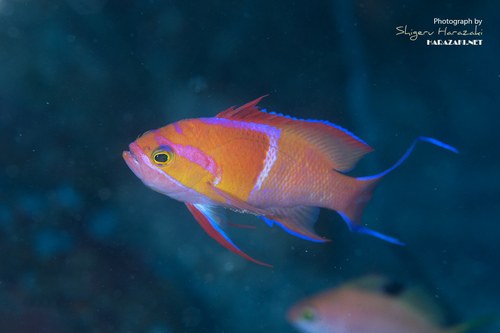
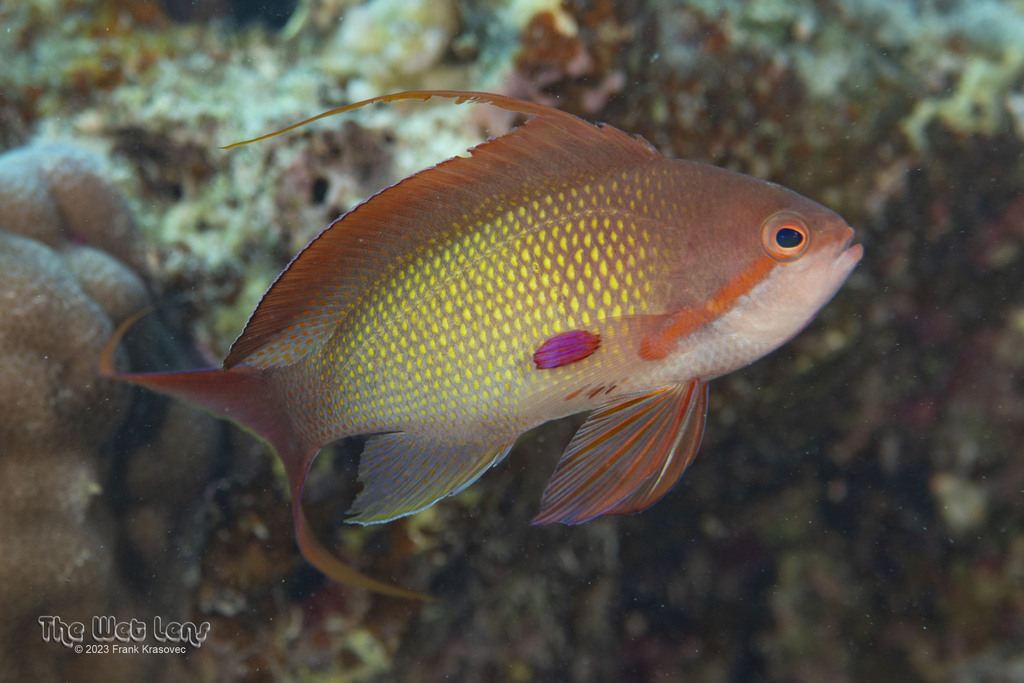
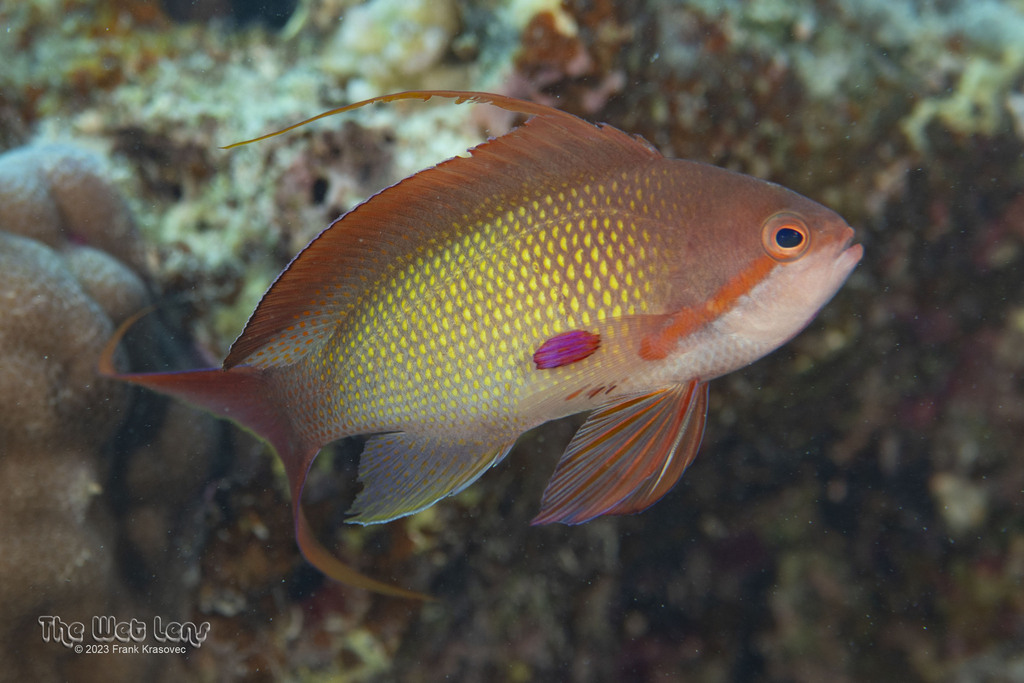
The Nusa Penida Anthias (Pseudanthias cichlops) is a striking marine fish native to the coral reefs of the Nusa Penida region in Indonesia. This species is characterized by its brilliant hues, showcasing shades of pink, orange, and yellow which provide an eye-catching display in any aquarium setting. Adult males exhibit more intense coloration compared to females, making them a favorite among aquarists seeking to enhance the aesthetic appeal of their marine displays.
In their natural habitat, Nusa Penida Anthias inhabit shallow coral reefs, typically found at depths ranging from 10 to 30 meters. They prefer areas with abundant coral cover, where they can seek shelter from predators and engage in foraging activities. These fish are social creatures, often found in small to medium-sized schools, which not only enhances their safety but also promotes their vibrant social interactions. Their dynamic swimming patterns and active behavior make them a delightful addition to any marine aquarium.
Behaviorally, Nusa Penida Anthias exhibit a fascinating hierarchy within their schools, with dominant males often taking the lead during foraging and displaying activities. This social structure is crucial for their survival in the wild, as it helps them avoid predation. Their diet primarily consists of zooplankton and small invertebrates, reflecting their carnivorous feeding habits. Understanding their natural behavior can help aquarists create a more enriching environment that mimics their natural habitat.
Overall, the Nusa Penida Anthias is not just a visually stunning species; it plays a vital role in the health of coral reef ecosystems. Their presence indicates a thriving marine environment, making their conservation and sustainable trade essential for maintaining the biodiversity of our oceans.
In their natural habitat, Nusa Penida Anthias inhabit shallow coral reefs, typically found at depths ranging from 10 to 30 meters. They prefer areas with abundant coral cover, where they can seek shelter from predators and engage in foraging activities. These fish are social creatures, often found in small to medium-sized schools, which not only enhances their safety but also promotes their vibrant social interactions. Their dynamic swimming patterns and active behavior make them a delightful addition to any marine aquarium.
Behaviorally, Nusa Penida Anthias exhibit a fascinating hierarchy within their schools, with dominant males often taking the lead during foraging and displaying activities. This social structure is crucial for their survival in the wild, as it helps them avoid predation. Their diet primarily consists of zooplankton and small invertebrates, reflecting their carnivorous feeding habits. Understanding their natural behavior can help aquarists create a more enriching environment that mimics their natural habitat.
Overall, the Nusa Penida Anthias is not just a visually stunning species; it plays a vital role in the health of coral reef ecosystems. Their presence indicates a thriving marine environment, making their conservation and sustainable trade essential for maintaining the biodiversity of our oceans.
For optimal care, maintaining specific water parameters is crucial for the Nusa Penida Anthias. Ideal temperatures range from 24°C to 28°C, with a salinity level of 1.020 to 1.025 ppt. The pH should be maintained between 8.1 and 8.4, ensuring a stable environment that mimics their natural habitat. A minimum tank size of 200 liters is recommended to accommodate their schooling behavior and provide ample swimming space.
Feeding Nusa Penida Anthias requires a diet rich in high-quality marine foods. They thrive on a varied diet consisting of live or frozen foods such as brine shrimp, mysis shrimp, and finely chopped seafood. Regular feeding will stimulate their natural foraging behavior and promote vibrant coloration. Compatibility with other fish species is generally good, although they can be territorial, particularly males, so it's advisable to house them in groups with a higher ratio of females to males to reduce aggression.
Acclimation is key when introducing Nusa Penida Anthias to a new environment. A slow acclimation process over several hours will help them adjust to changes in water parameters. Quarantine for at least two weeks is recommended to monitor health and prevent the introduction of diseases into the main aquarium. Providing hiding spots and live rock will also help them feel secure and reduce stress during the acclimation phase.
Feeding Nusa Penida Anthias requires a diet rich in high-quality marine foods. They thrive on a varied diet consisting of live or frozen foods such as brine shrimp, mysis shrimp, and finely chopped seafood. Regular feeding will stimulate their natural foraging behavior and promote vibrant coloration. Compatibility with other fish species is generally good, although they can be territorial, particularly males, so it's advisable to house them in groups with a higher ratio of females to males to reduce aggression.
Acclimation is key when introducing Nusa Penida Anthias to a new environment. A slow acclimation process over several hours will help them adjust to changes in water parameters. Quarantine for at least two weeks is recommended to monitor health and prevent the introduction of diseases into the main aquarium. Providing hiding spots and live rock will also help them feel secure and reduce stress during the acclimation phase.
Nusa Penida Anthias are suitable for shipping due to their resilience; however, care must be taken to maintain stable temperatures between 24°C and 28°C during transit. Packing density should allow for adequate water circulation to minimize stress. CITES status is not applicable for this species, making it easier for exporters to comply with international trade regulations.
Species Parameters
Max Adult Size
12.0 cm
Origin
Coral Triangle
Diet
carnivore
Temp Min
24.0 °C
Temp Max
28.0 °C
Salinity Min
1.020
Salinity Max
1.025
pH Min
8.10
pH Max
8.40
Min Tank
200 L