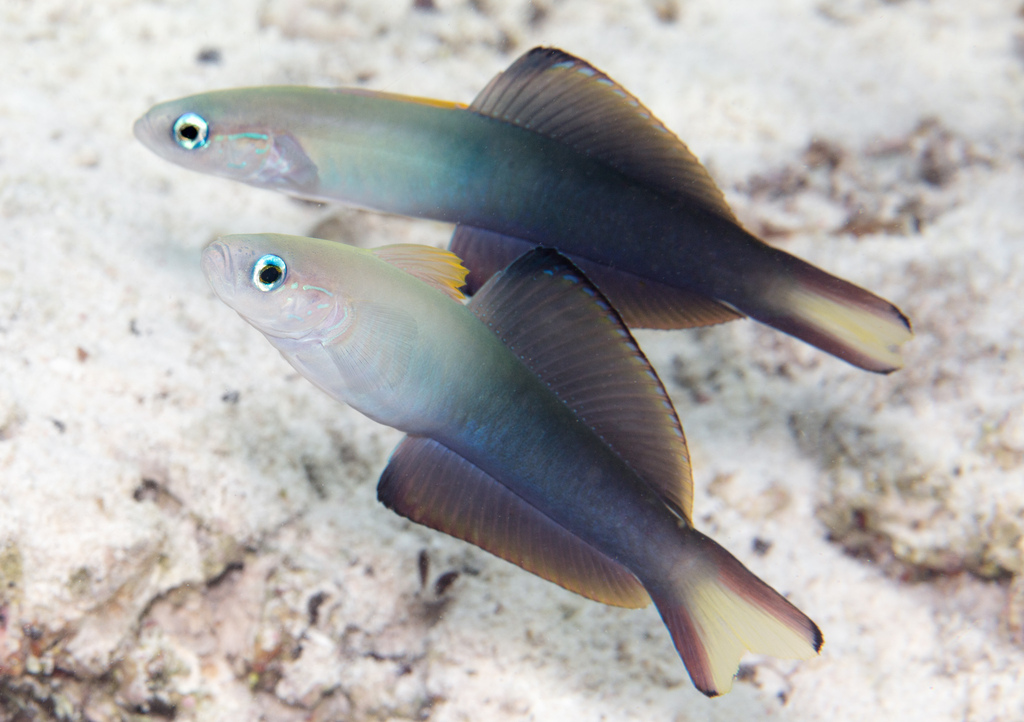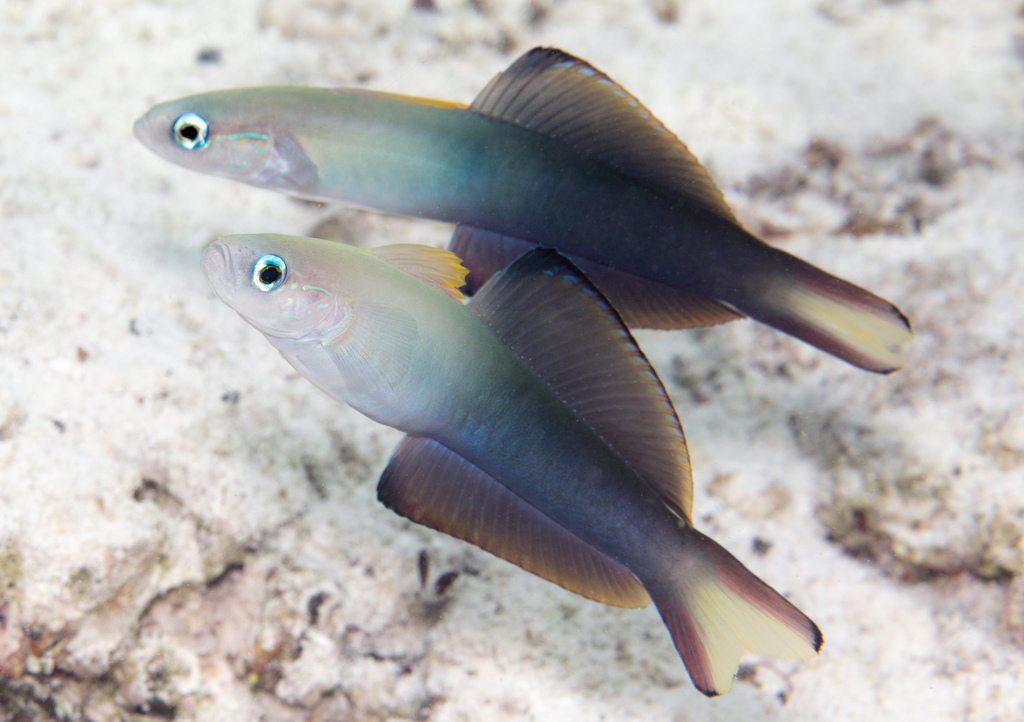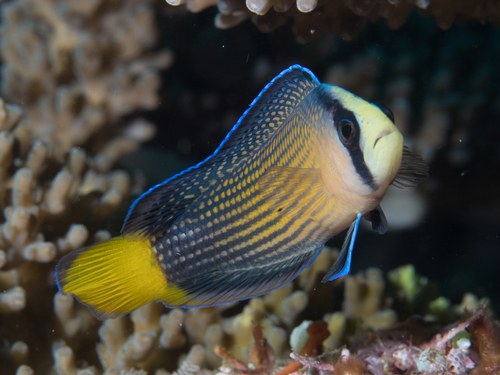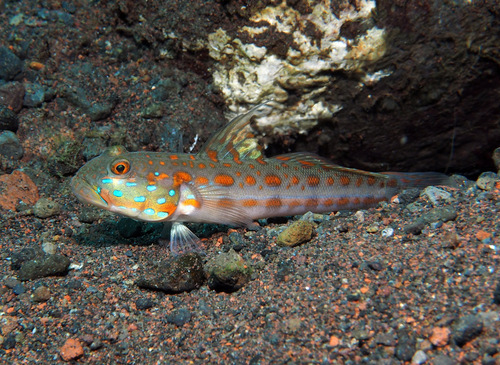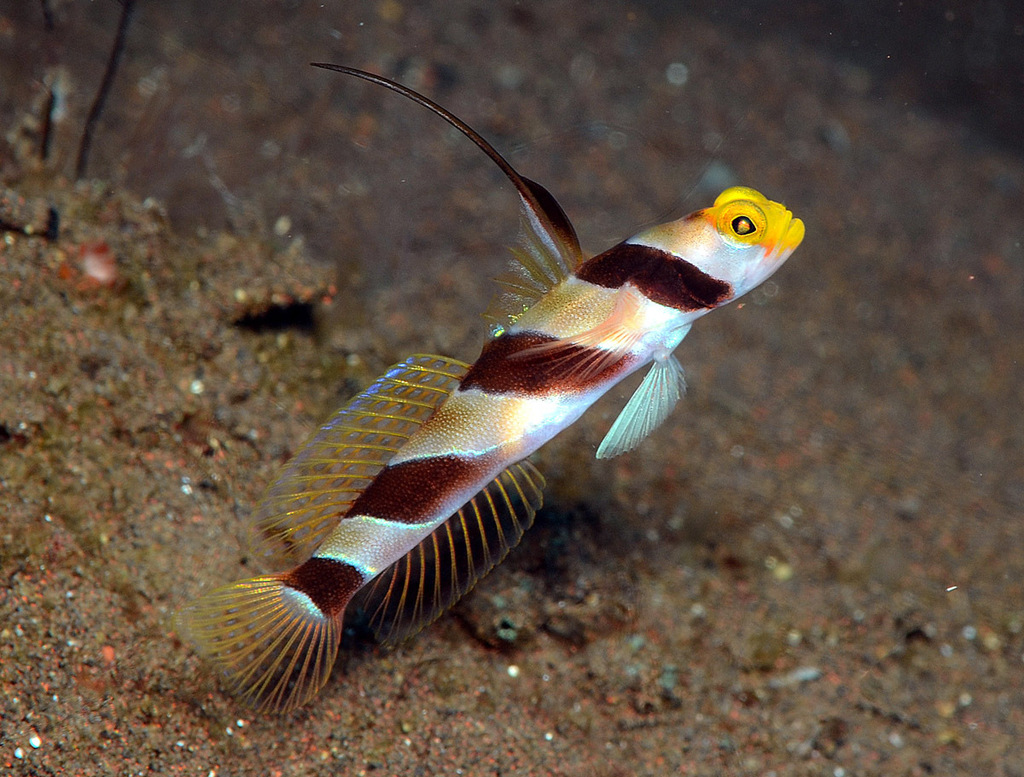
Orange-striped shrimpgoby/Whiteray Shrimp Goby ( Male )
stonogobiops yasha
In Stock
Common stock
Wild Caught
Moderate care
With Caution
SKU: ML-MF-0233
The Orange-striped shrimpgoby is a captivating marine species known for its vibrant colors and symbiotic relationships.
Pricing for Verified Importers
Log in to see wholesale prices and order.
Export Size
up to 6.0 cm
Origin
Indo-Pacific
Temperature
24.0–28.0°C
Min. Tank Size
100 L
Salinity
1.020–1.025 ppt
pH
8.10–8.40
Diet
omnivore
The Orange-striped shrimpgoby, scientifically known as Stonogobiops yasha, is a small but striking marine fish that hails from the coral reefs of the Indo-Pacific region. Characterized by its bright orange stripes that run along its body, this goby showcases a unique blend of vibrant colors and patterns, making it an attractive addition to any reef aquarium. Adult males typically exhibit larger sizes and more pronounced coloration compared to females, enhancing their visual appeal.
In terms of behavior, the Orange-striped shrimpgoby is known for its fascinating symbiotic relationship with various species of shrimp, particularly the Alpheus species. These gobies will often share burrows with their shrimp partners, acting as sentinels while the shrimp excavate and maintain their shared home. This mutualistic relationship not only provides safety for the goby but also benefits the shrimp by offering protection from predators.
Habitat-wise, the Orange-striped shrimpgoby is typically found in shallow coastal waters, often residing in sandy or rubble substrate close to coral reefs. They prefer environments where they can quickly dart into their burrows to evade threats. Their natural habitat plays a crucial role in their social behavior, as they often establish territories within these burrows and interact with both their shrimp companions and other goby species.
Overall, the Orange-striped shrimpgoby is a delightful species that adds color and dynamic behavior to marine aquariums. They are particularly favored by hobbyists looking to create a lively reef environment, showcasing the intricate relationships that exist within marine ecosystems.
In terms of behavior, the Orange-striped shrimpgoby is known for its fascinating symbiotic relationship with various species of shrimp, particularly the Alpheus species. These gobies will often share burrows with their shrimp partners, acting as sentinels while the shrimp excavate and maintain their shared home. This mutualistic relationship not only provides safety for the goby but also benefits the shrimp by offering protection from predators.
Habitat-wise, the Orange-striped shrimpgoby is typically found in shallow coastal waters, often residing in sandy or rubble substrate close to coral reefs. They prefer environments where they can quickly dart into their burrows to evade threats. Their natural habitat plays a crucial role in their social behavior, as they often establish territories within these burrows and interact with both their shrimp companions and other goby species.
Overall, the Orange-striped shrimpgoby is a delightful species that adds color and dynamic behavior to marine aquariums. They are particularly favored by hobbyists looking to create a lively reef environment, showcasing the intricate relationships that exist within marine ecosystems.
When caring for the Orange-striped shrimpgoby, it is essential to maintain stable water parameters to ensure their health and well-being. Ideally, the water temperature should be kept between 24°C to 28°C, with a salinity range of 1.020 to 1.025 ppt. The pH levels should be maintained between 8.1 and 8.4 to replicate their natural habitat.
Feeding this species is relatively straightforward, as they are opportunistic feeders. A varied diet including high-quality pellets, frozen or live foods such as brine shrimp and mysis shrimp is recommended. It is important to feed them small amounts multiple times a day to mimic their natural foraging behavior.
Compatibility is generally favorable, as the Orange-striped shrimpgoby can coexist with other peaceful species. However, caution should be exercised when introducing them to tankmates that may exhibit territorial behavior. Acclimation should be done slowly, allowing them to adjust to new water conditions gradually. Quarantine new arrivals for at least two weeks to prevent the spread of diseases.
Creating a suitable environment with plenty of hiding spots and sand substrate is crucial for their comfort and security. Providing a healthy shrimp partner can also enhance their well-being and natural behavior.
Feeding this species is relatively straightforward, as they are opportunistic feeders. A varied diet including high-quality pellets, frozen or live foods such as brine shrimp and mysis shrimp is recommended. It is important to feed them small amounts multiple times a day to mimic their natural foraging behavior.
Compatibility is generally favorable, as the Orange-striped shrimpgoby can coexist with other peaceful species. However, caution should be exercised when introducing them to tankmates that may exhibit territorial behavior. Acclimation should be done slowly, allowing them to adjust to new water conditions gradually. Quarantine new arrivals for at least two weeks to prevent the spread of diseases.
Creating a suitable environment with plenty of hiding spots and sand substrate is crucial for their comfort and security. Providing a healthy shrimp partner can also enhance their well-being and natural behavior.
Shipping the Orange-striped shrimpgoby is feasible, provided appropriate measures are taken. It is recommended to maintain a packing density of 1-2 individuals per liter to minimize stress during transit. The ideal shipping temperature should be between 24°C and 26°C to ensure their safety. This species is not currently listed under CITES, allowing for straightforward export processes.
Species Parameters
Max Adult Size
6.0 cm
Origin
Indo-Pacific
Diet
omnivore
Temp Min
24.0 °C
Temp Max
28.0 °C
Salinity Min
1.020
Salinity Max
1.025
pH Min
8.10
pH Max
8.40
Min Tank
100 L