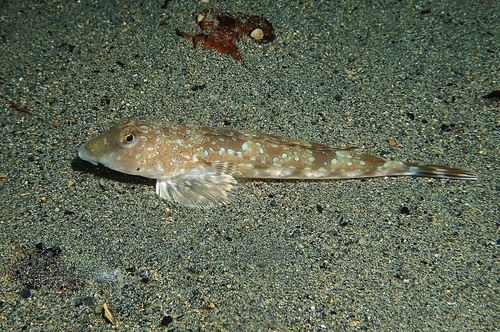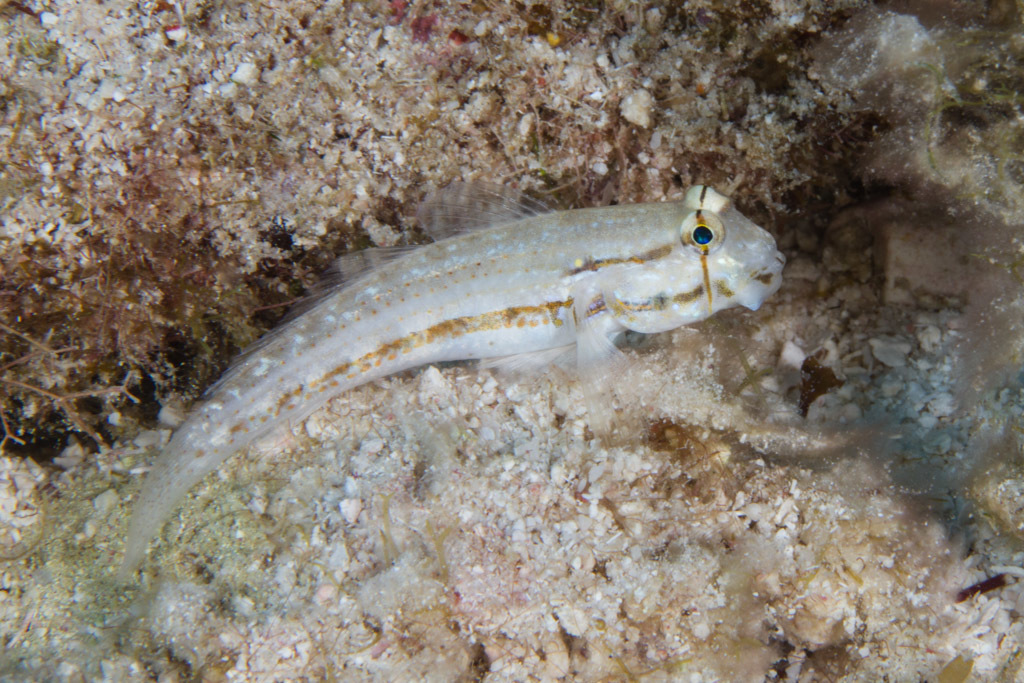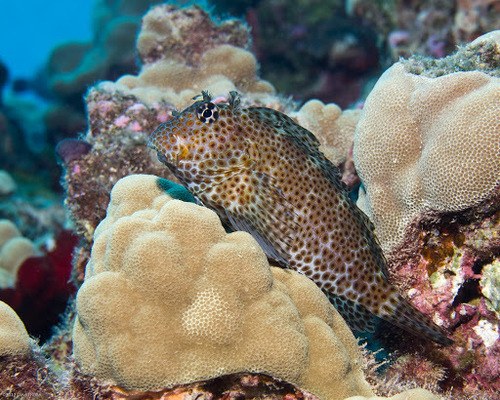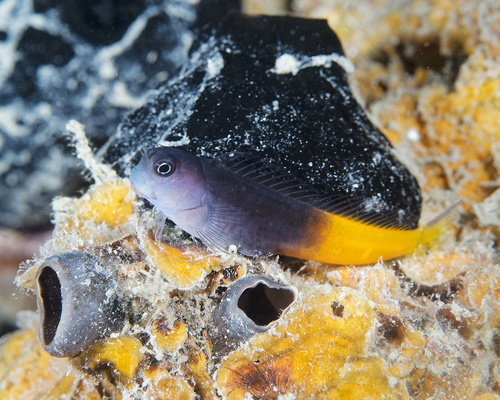
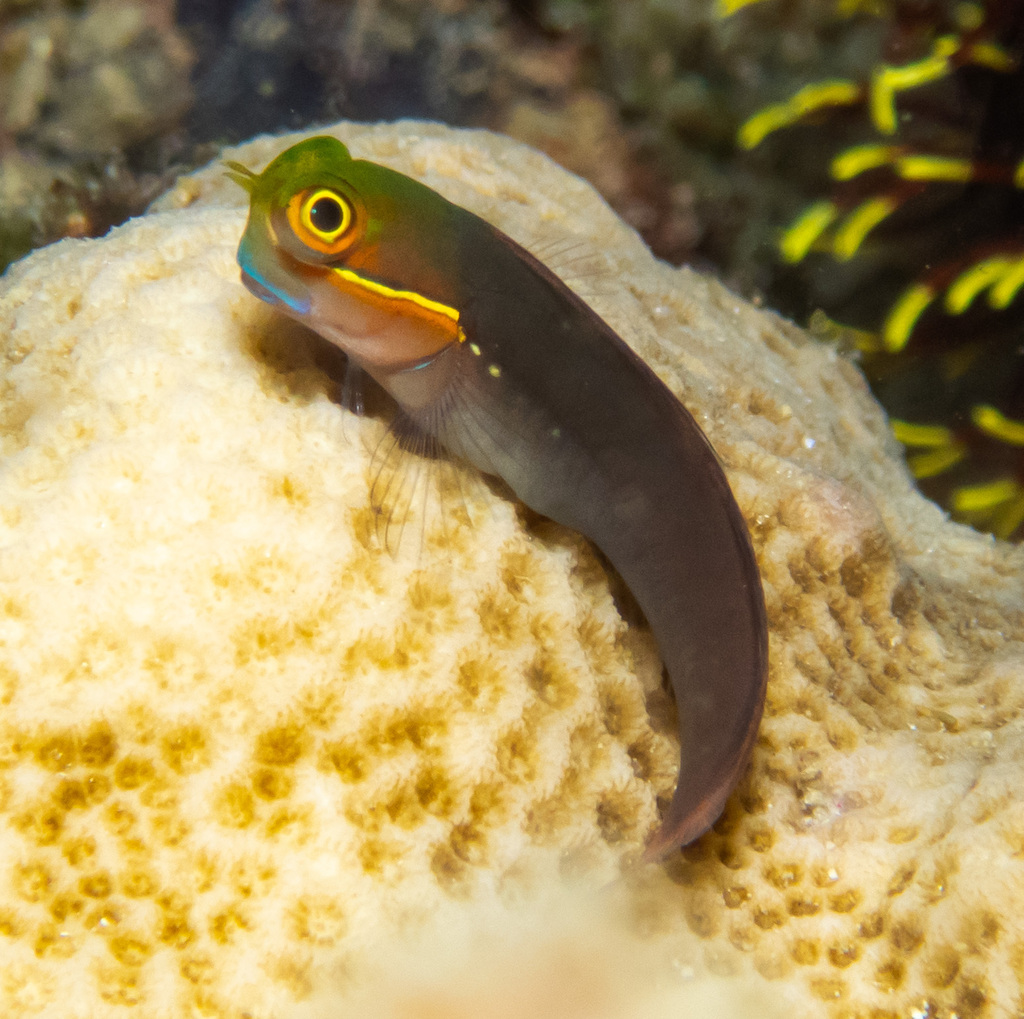
Yellow-eyed comb-tooth/Java combtooth-blenny
ecsenius melarchus
In Stock
Common stock
Wild Caught
Moderate care
With Caution
SKU: ML-MF-0098
The Yellow-eyed comb-tooth blenny is a vibrant, unique marine fish that thrives in coral reef environments.
Pricing for Verified Importers
Log in to see wholesale prices and order.
Export Size
up to 10.0 cm
Origin
Indo-Pacific
Temperature
24.0–28.0°C
Min. Tank Size
100 L
Salinity
1.020–1.025 ppt
pH
8.10–8.40
Diet
herbivore
The Yellow-eyed comb-tooth blenny, scientifically known as Ecsenius melarchus, is a captivating species native to the coral reefs of the Indo-Pacific region. This small fish is easily recognized by its striking yellow-orange eyes and elongated body, typically measuring up to 10 cm in length. Its coloration varies from brown to gray, often decorated with subtle patterns that help it blend into its reef habitat. The unique comb-like teeth of this blenny are adapted for grazing on algae, making it an essential part of the reef ecosystem.
Natural history reveals that the Yellow-eyed comb-tooth blenny is primarily found in shallow waters, often residing in crevices and rocky areas of coral reefs. They are diurnal creatures, actively foraging during the day and seeking shelter at night. Their behavior is characterized by a curious nature, often hovering near their preferred hiding spots while observing their surroundings. This species exhibits a form of territoriality, especially among males, who will defend their chosen areas from intruders.
In terms of habitat, these blennies thrive in warm, tropical waters with plenty of live rock and algae cover. They play a crucial role in maintaining the health of coral reefs by controlling algal growth, thereby promoting biodiversity. Their presence is indicative of a well-balanced reef environment, making them a valuable species for both ecological studies and the aquarium trade.
In the aquarium, the Yellow-eyed comb-tooth blenny is known for its engaging personality and adaptability. It can often be seen interacting with other tank mates, showcasing its playful behavior. Their unique appearance and ecological significance make them a sought-after species for marine aquarists and collectors alike.
Natural history reveals that the Yellow-eyed comb-tooth blenny is primarily found in shallow waters, often residing in crevices and rocky areas of coral reefs. They are diurnal creatures, actively foraging during the day and seeking shelter at night. Their behavior is characterized by a curious nature, often hovering near their preferred hiding spots while observing their surroundings. This species exhibits a form of territoriality, especially among males, who will defend their chosen areas from intruders.
In terms of habitat, these blennies thrive in warm, tropical waters with plenty of live rock and algae cover. They play a crucial role in maintaining the health of coral reefs by controlling algal growth, thereby promoting biodiversity. Their presence is indicative of a well-balanced reef environment, making them a valuable species for both ecological studies and the aquarium trade.
In the aquarium, the Yellow-eyed comb-tooth blenny is known for its engaging personality and adaptability. It can often be seen interacting with other tank mates, showcasing its playful behavior. Their unique appearance and ecological significance make them a sought-after species for marine aquarists and collectors alike.
For successful care of the Yellow-eyed comb-tooth blenny in a captive environment, maintaining optimal water parameters is essential. Ideal temperature ranges between 24°C and 28°C, with a salinity of 1.020 to 1.025 ppt. The pH should be maintained between 8.1 and 8.4. A minimum tank size of 100 liters is recommended to provide ample swimming space and hiding spots.
Feeding these blennies is relatively straightforward, as they are primarily herbivorous. A diet rich in algae, spirulina, and high-quality herbivore pellets will keep them healthy. It's important to supplement their diet with occasional meaty foods to ensure balanced nutrition. Compatibility-wise, they tend to coexist well with other reef-safe species but may display territorial behavior towards similar-looking fish.
Acclimation should be done slowly to minimize stress. A drip acclimation method is recommended, taking several hours to ensure the fish adjusts to the new environment. Quarantine is also advisable for new arrivals to prevent the introduction of diseases into established tanks. Overall, proper care and attention to water quality will contribute to the health and longevity of the Yellow-eyed comb-tooth blenny in an aquarium setting.
Feeding these blennies is relatively straightforward, as they are primarily herbivorous. A diet rich in algae, spirulina, and high-quality herbivore pellets will keep them healthy. It's important to supplement their diet with occasional meaty foods to ensure balanced nutrition. Compatibility-wise, they tend to coexist well with other reef-safe species but may display territorial behavior towards similar-looking fish.
Acclimation should be done slowly to minimize stress. A drip acclimation method is recommended, taking several hours to ensure the fish adjusts to the new environment. Quarantine is also advisable for new arrivals to prevent the introduction of diseases into established tanks. Overall, proper care and attention to water quality will contribute to the health and longevity of the Yellow-eyed comb-tooth blenny in an aquarium setting.
The Yellow-eyed comb-tooth blenny is suitable for live shipping, provided appropriate measures are taken. Packing density should be low to minimize stress during transit, with each fish ideally occupying larger volumes of water. Temperature sensitivity is a concern, so shipments should be kept within the range of 24°C to 28°C. This species is not listed under CITES, which facilitates smoother export processes.
Species Parameters
Max Adult Size
10.0 cm
Origin
Indo-Pacific
Diet
herbivore
Temp Min
24.0 °C
Temp Max
28.0 °C
Salinity Min
1.020
Salinity Max
1.025
pH Min
8.10
pH Max
8.40
Min Tank
100 L