Peppermint bass
Liopropoma rubre
In Stock
Common stock
Wild Caught
Moderate care
With Caution
SKU: CB-MF-0215
The Peppermint bass is a vibrant marine fish prized for its striking coloration and reef association.
Pricing for Verified Importers
Log in to see wholesale prices and order.
Export Size
up to 15.0 cm
Origin
Indo-Pacific
Temperature
24.0–28.0°C
Min. Tank Size
150 L
Salinity
35.000–35.000 ppt
pH
8.10–8.40
Diet
carnivore
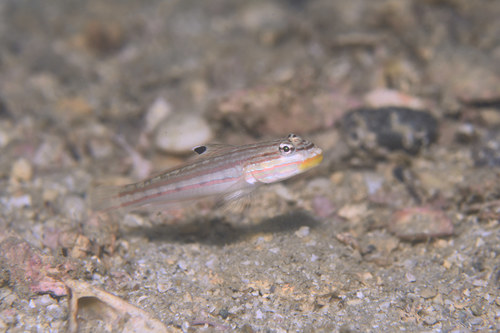
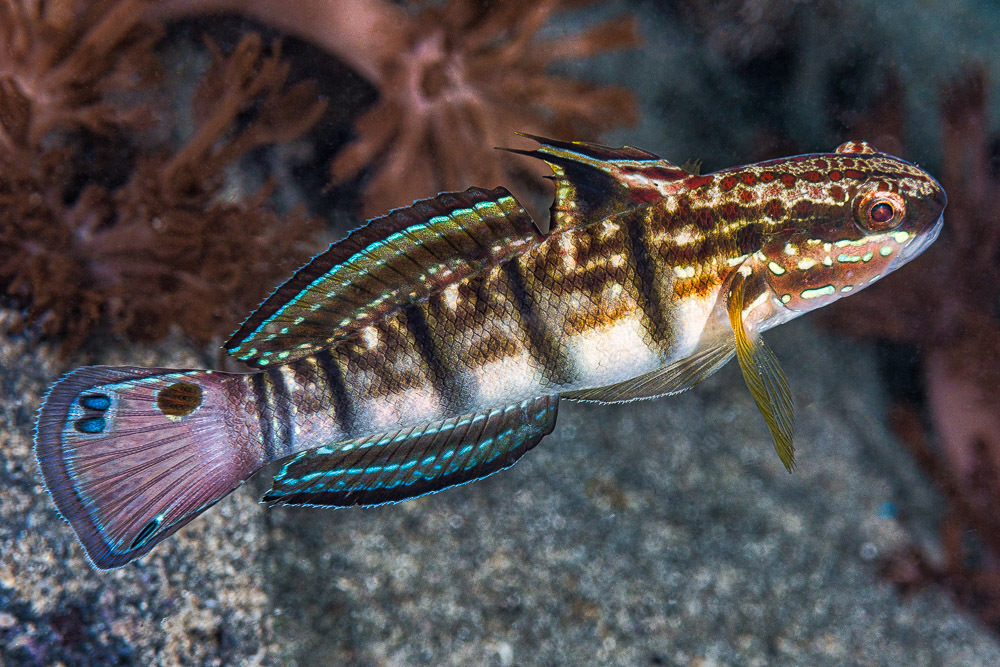
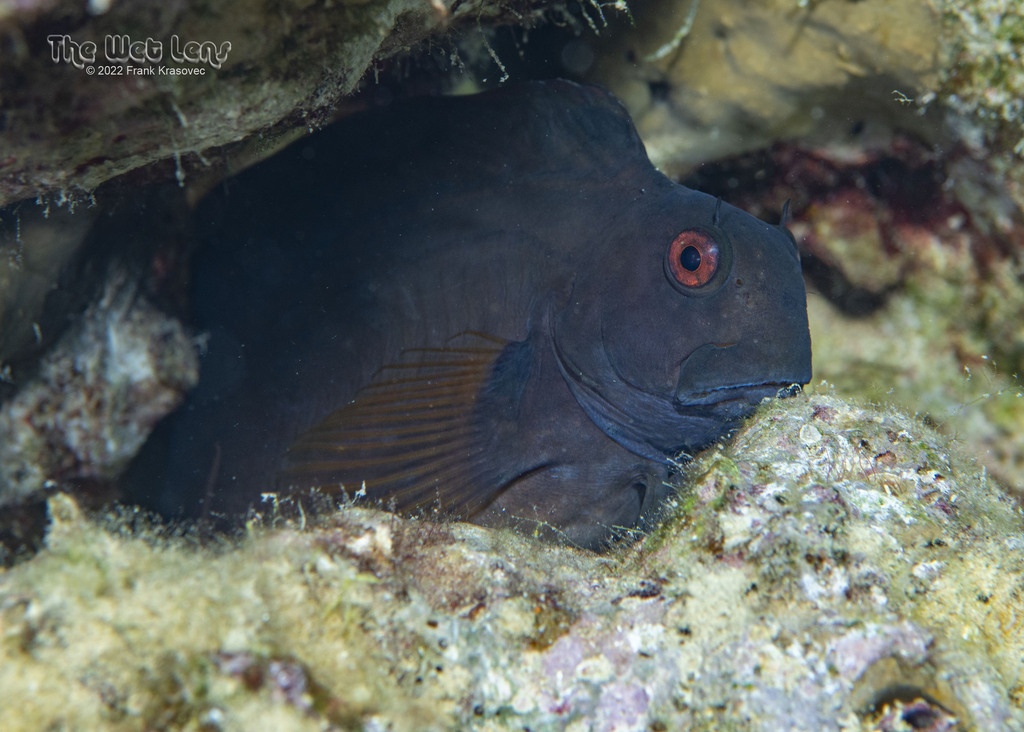
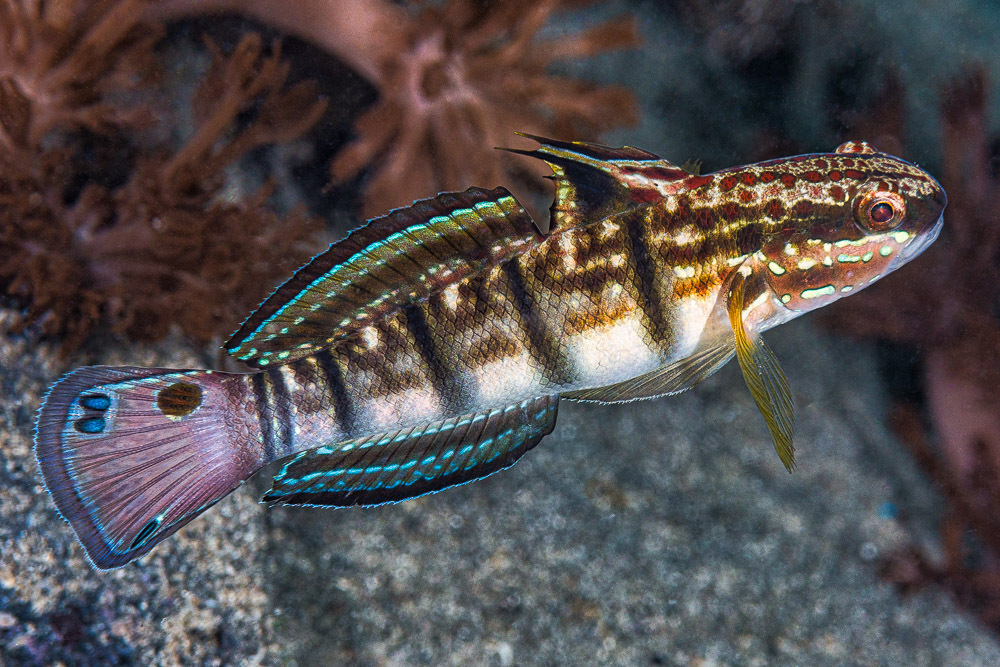
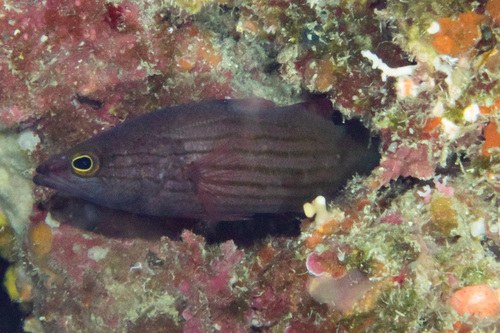
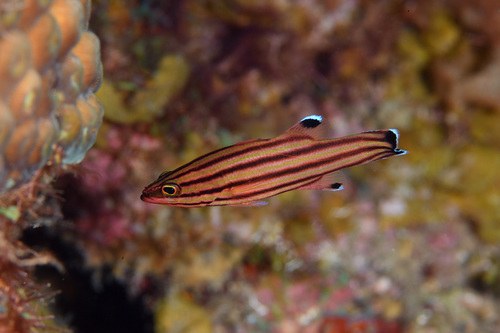
The Peppermint bass (Liopropoma rubre), known for its vivid red and orange hues, is a small marine fish that thrives in coral reef environments. This species typically grows to a maximum length of around 15 cm, making it an ideal choice for both novice and experienced aquarists. Its elongated body and large eyes give it a distinctive appearance, while its coloration provides a stunning visual display in any aquarium setup.
In terms of natural history, the Peppermint bass is primarily found in the Indo-Pacific region, favoring shallow waters around coral reefs where it can seek refuge among the crevices and overhangs. This fish is a carnivore, feeding mainly on small crustaceans and zooplankton. Its diet in the wild contributes to its vibrant coloration, as it requires a nutrient-rich environment to maintain its health and beauty.
Behaviorally, Peppermint bass are known to be relatively shy and territorial, often taking up a singular space within a given area of the reef. They tend to be more active during dawn and dusk, engaging in feeding and social interactions during these times. In an aquarium setting, these fish can be observed exhibiting fascinating behaviors as they explore their environment and interact with tank mates.
Overall, the Peppermint bass is not only an attractive addition to marine aquariums but also plays a crucial role in the health of coral reef ecosystems. Its presence signifies a balanced environment, making it a vital species for conservation efforts and aquarium enthusiasts alike.
In terms of natural history, the Peppermint bass is primarily found in the Indo-Pacific region, favoring shallow waters around coral reefs where it can seek refuge among the crevices and overhangs. This fish is a carnivore, feeding mainly on small crustaceans and zooplankton. Its diet in the wild contributes to its vibrant coloration, as it requires a nutrient-rich environment to maintain its health and beauty.
Behaviorally, Peppermint bass are known to be relatively shy and territorial, often taking up a singular space within a given area of the reef. They tend to be more active during dawn and dusk, engaging in feeding and social interactions during these times. In an aquarium setting, these fish can be observed exhibiting fascinating behaviors as they explore their environment and interact with tank mates.
Overall, the Peppermint bass is not only an attractive addition to marine aquariums but also plays a crucial role in the health of coral reef ecosystems. Its presence signifies a balanced environment, making it a vital species for conservation efforts and aquarium enthusiasts alike.
When caring for Peppermint bass, it is essential to maintain stable water parameters to ensure their health and wellbeing. The ideal temperature range is between 24°C and 28°C, with a salinity of 1.020 to 1.025 ppt. A pH level between 8.1 and 8.4 is recommended to mimic their natural habitat. Providing a minimum tank size of 150 liters is advisable to allow adequate swimming space and territory establishment.
Feeding Peppermint bass requires a diet rich in protein. Quality frozen or live foods such as brine shrimp, mysis shrimp, and small mollusks are recommended. Regular feeding of small portions 2-3 times daily will help maintain their health and vibrant coloration. When selecting tank mates, it is best to avoid overly aggressive species, as Peppermint bass can be territorial. They tend to coexist well with other peaceful fish of similar size.
During acclimation, use a slow drip method over several hours to help them adjust to the new water conditions. Quarantine any new arrivals for at least two weeks to prevent the introduction of diseases into your main tank. Monitoring their health during this period is crucial, as they can be susceptible to parasites if stressed.
Feeding Peppermint bass requires a diet rich in protein. Quality frozen or live foods such as brine shrimp, mysis shrimp, and small mollusks are recommended. Regular feeding of small portions 2-3 times daily will help maintain their health and vibrant coloration. When selecting tank mates, it is best to avoid overly aggressive species, as Peppermint bass can be territorial. They tend to coexist well with other peaceful fish of similar size.
During acclimation, use a slow drip method over several hours to help them adjust to the new water conditions. Quarantine any new arrivals for at least two weeks to prevent the introduction of diseases into your main tank. Monitoring their health during this period is crucial, as they can be susceptible to parasites if stressed.
Peppermint bass are moderately hardy and can be shipped effectively with proper care. Utilize insulated boxes with temperature-regulating materials to maintain stable conditions during transport. Packing density should allow for adequate water circulation, typically 1 fish per 5-10 liters of water. They are sensitive to temperature fluctuations, so aim to keep the shipping temperature between 24°C and 26°C. Peppermint bass are not listed under CITES, making them easier to export.
Species Parameters
Max Adult Size
15.0 cm
Origin
Indo-Pacific
Diet
carnivore
Temp Min
24.0 °C
Temp Max
28.0 °C
Salinity Min
35.000
Salinity Max
35.000
pH Min
8.10
pH Max
8.40
Min Tank
150 L