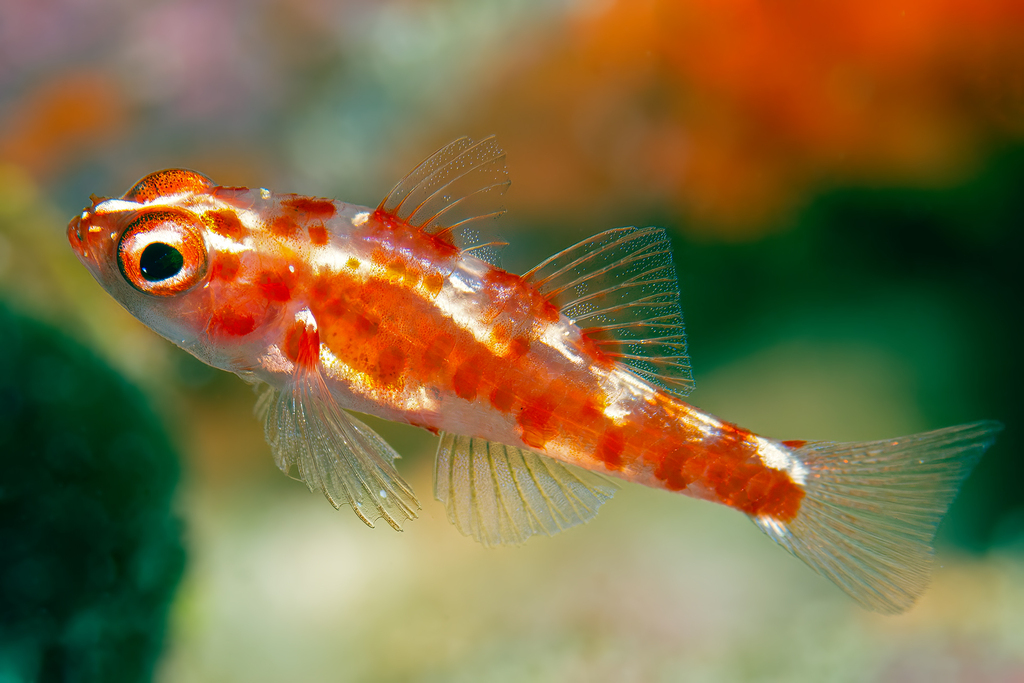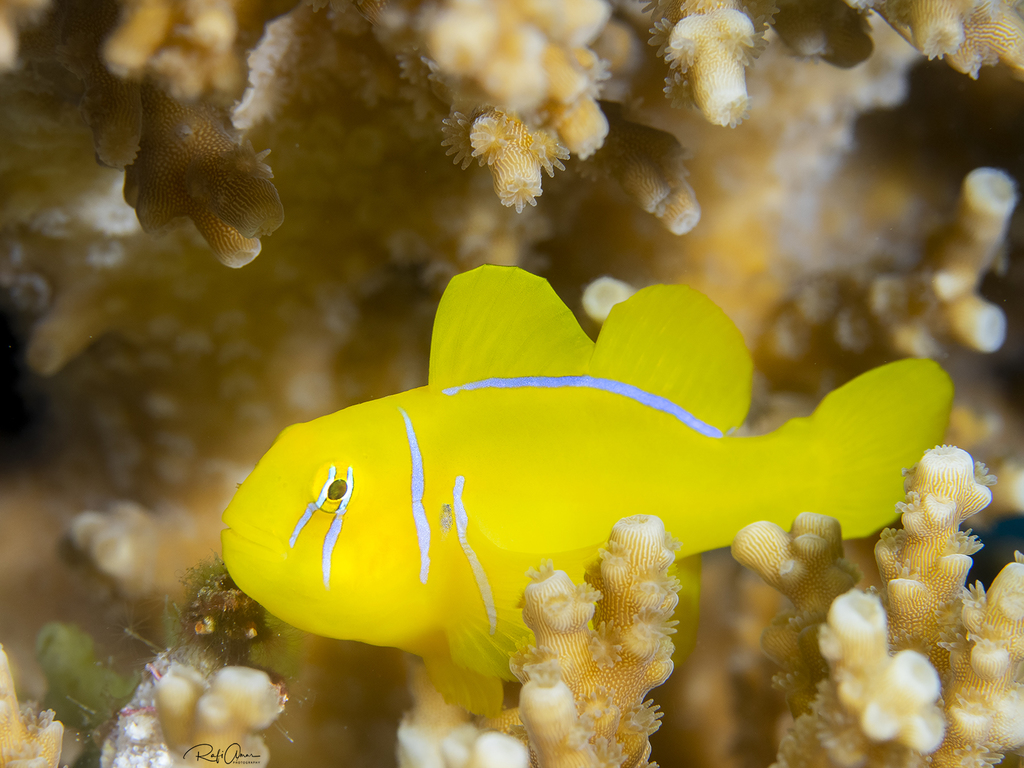
Whitelined coral/Black & White Clown Goby
gobiodon albofasciatus
In Stock
Common stock
Wild Caught
Moderate care
With Caution
SKU: ML-MF-0216
The Whitelined Coral Goby is a striking marine fish known for its vibrant coloration and unique behaviors.
Pricing for Verified Importers
Log in to see wholesale prices and order.
Export Size
up to 6.0 cm
Origin
Coral Triangle
Temperature
24.0–28.0°C
Min. Tank Size
100 L
Salinity
1.020–1.025 ppt
pH
8.10–8.40
Diet
omnivore
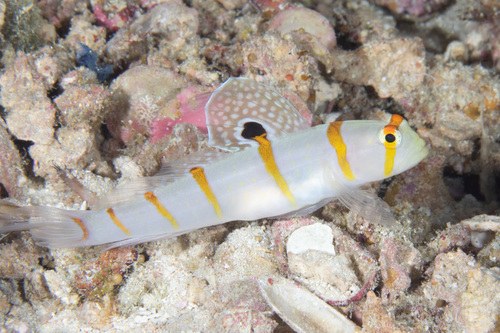
The Whitelined Coral Goby (Gobiodon albofasciatus), commonly referred to as the Black & White Clown Goby, is a small, colorful fish found primarily in the warm waters of the Coral Triangle, particularly around Indonesia. This species is celebrated for its distinctive black and white stripes, which provide excellent camouflage among the corals and make it a stunning addition to any reef aquarium. Typically, these fish reach a maximum size of about 6 cm, making them an ideal choice for smaller aquariums where space is at a premium.
In terms of natural history, the Whitelined Coral Goby has a close association with coral reefs, often seen hovering near the branches of Acropora corals. They are primarily diurnal, spending their days foraging for small invertebrates and algae while remaining vigilant against potential predators. Their behavior is characterized by their lively and inquisitive nature, making them a delight to observe in an aquarium setting. They are known to exhibit territorial behavior, especially during breeding seasons.
These gobies thrive in shallow waters, typically found at depths of 1 to 20 meters. They prefer reef environments with ample cover and food sources, which is crucial for their survival and well-being. Their habitat is rich in biodiversity, providing a stable ecosystem where they can flourish. The symbiotic relationship they form with certain corals not only offers them protection but also benefits the corals by keeping them clean from detritus.
The coloration and patterns of the Whitelined Coral Goby serve as an evolutionary adaptation, allowing them to blend seamlessly into their surroundings. This not only helps them evade predators but also plays a role in communication during mating rituals, showcasing the complex social dynamics of reef fish species.
In terms of natural history, the Whitelined Coral Goby has a close association with coral reefs, often seen hovering near the branches of Acropora corals. They are primarily diurnal, spending their days foraging for small invertebrates and algae while remaining vigilant against potential predators. Their behavior is characterized by their lively and inquisitive nature, making them a delight to observe in an aquarium setting. They are known to exhibit territorial behavior, especially during breeding seasons.
These gobies thrive in shallow waters, typically found at depths of 1 to 20 meters. They prefer reef environments with ample cover and food sources, which is crucial for their survival and well-being. Their habitat is rich in biodiversity, providing a stable ecosystem where they can flourish. The symbiotic relationship they form with certain corals not only offers them protection but also benefits the corals by keeping them clean from detritus.
The coloration and patterns of the Whitelined Coral Goby serve as an evolutionary adaptation, allowing them to blend seamlessly into their surroundings. This not only helps them evade predators but also plays a role in communication during mating rituals, showcasing the complex social dynamics of reef fish species.
To ensure the health and vitality of the Whitelined Coral Goby, it is essential to maintain stable water parameters. The ideal temperature range is between 24°C and 28°C, with a salinity level of 1.020 to 1.025 ppt. The pH should be maintained between 8.1 and 8.4. Providing a well-structured environment with live rock and coral is crucial, as these fish thrive in habitats that mimic their natural reef ecosystems.
Feeding a varied diet is essential for their health. High-quality marine flakes, frozen or live food such as brine shrimp and mysis shrimp, and small pieces of algae will ensure a balanced diet. Compatibility with other species is generally good, but they may display territorial behaviors, especially towards their same species or similar-looking fish, so ample space and hiding spots are necessary to reduce aggression.
Acclimation is vital when introducing the Whitelined Coral Goby to a new tank. A slow acclimation process over several hours will help reduce stress. Quarantine is also recommended to prevent the introduction of diseases into your main display tank, especially if importing multiple fish at once. Regular monitoring of water quality and fish behavior will help maintain a healthy aquarium environment.
Feeding a varied diet is essential for their health. High-quality marine flakes, frozen or live food such as brine shrimp and mysis shrimp, and small pieces of algae will ensure a balanced diet. Compatibility with other species is generally good, but they may display territorial behaviors, especially towards their same species or similar-looking fish, so ample space and hiding spots are necessary to reduce aggression.
Acclimation is vital when introducing the Whitelined Coral Goby to a new tank. A slow acclimation process over several hours will help reduce stress. Quarantine is also recommended to prevent the introduction of diseases into your main display tank, especially if importing multiple fish at once. Regular monitoring of water quality and fish behavior will help maintain a healthy aquarium environment.
The Whitelined Coral Goby is suitable for shipping due to its hardy nature. It’s recommended to pack them with a density of no more than 3-4 fish per liter of water to minimize stress during transport. Maintaining a temperature between 22°C and 26°C is critical to ensure their well-being during shipping. This species is not listed under CITES, making it easier for exporters to comply with international regulations.
Species Parameters
Max Adult Size
6.0 cm
Origin
Coral Triangle
Diet
omnivore
Temp Min
24.0 °C
Temp Max
28.0 °C
Salinity Min
1.020
Salinity Max
1.025
pH Min
8.10
pH Max
8.40
Min Tank
100 L