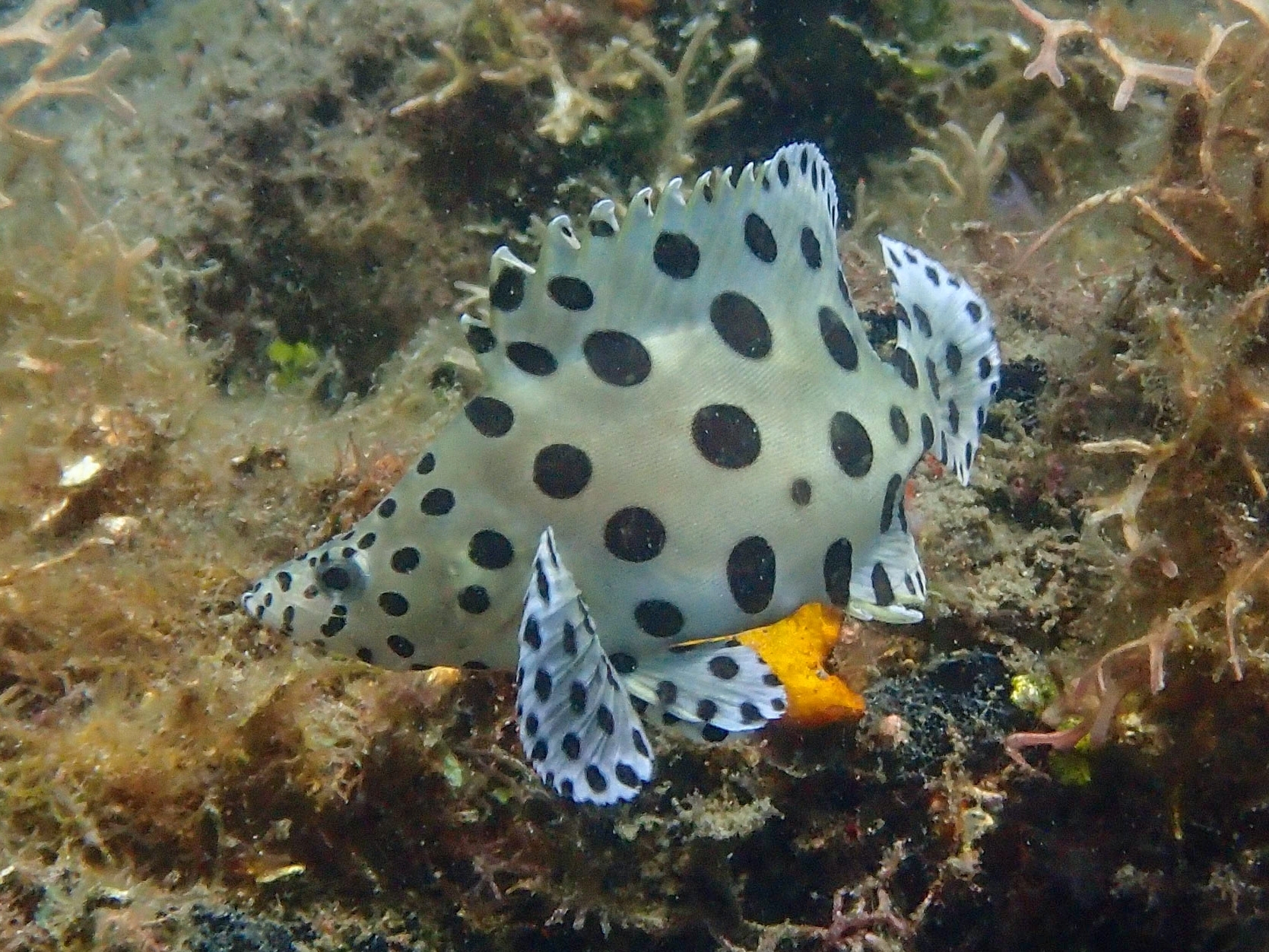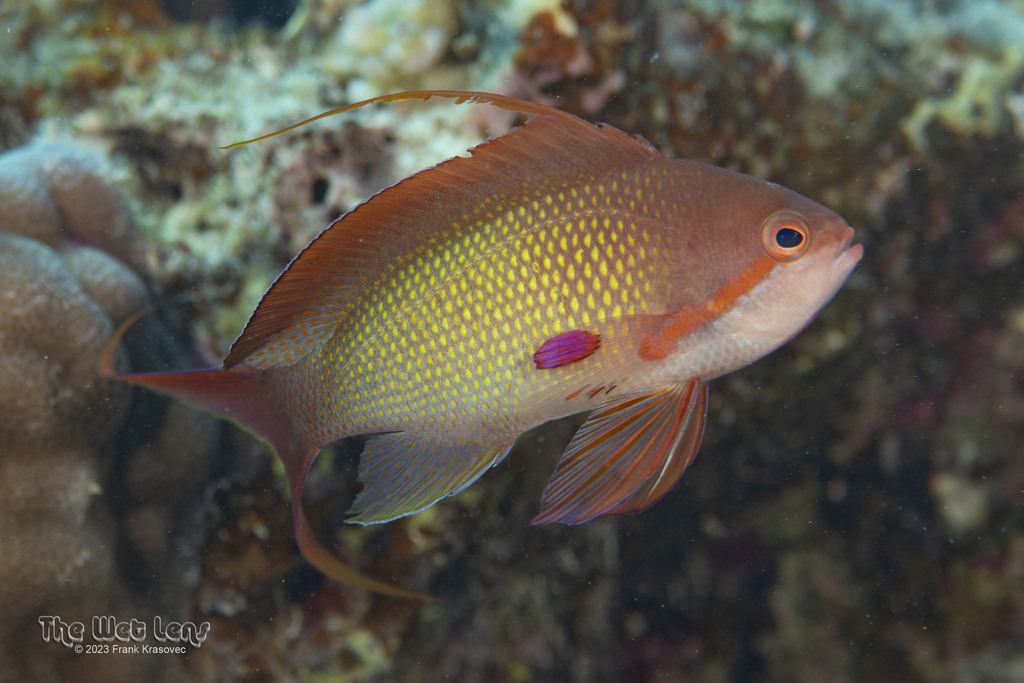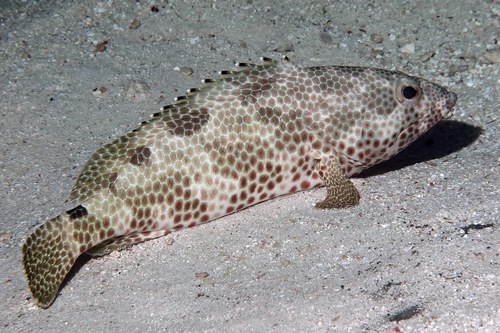
Assorted Grouper
Epinephelus sp.
In Stock
Common stock
Wild Caught
Moderate care
With Caution
SKU: CB-MF-0332
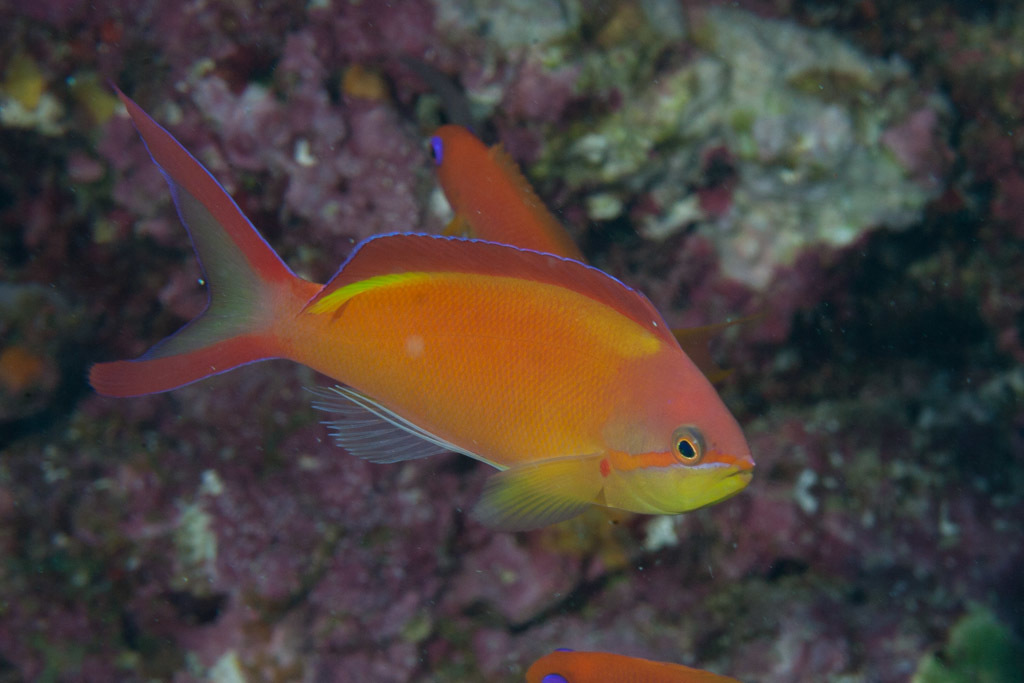
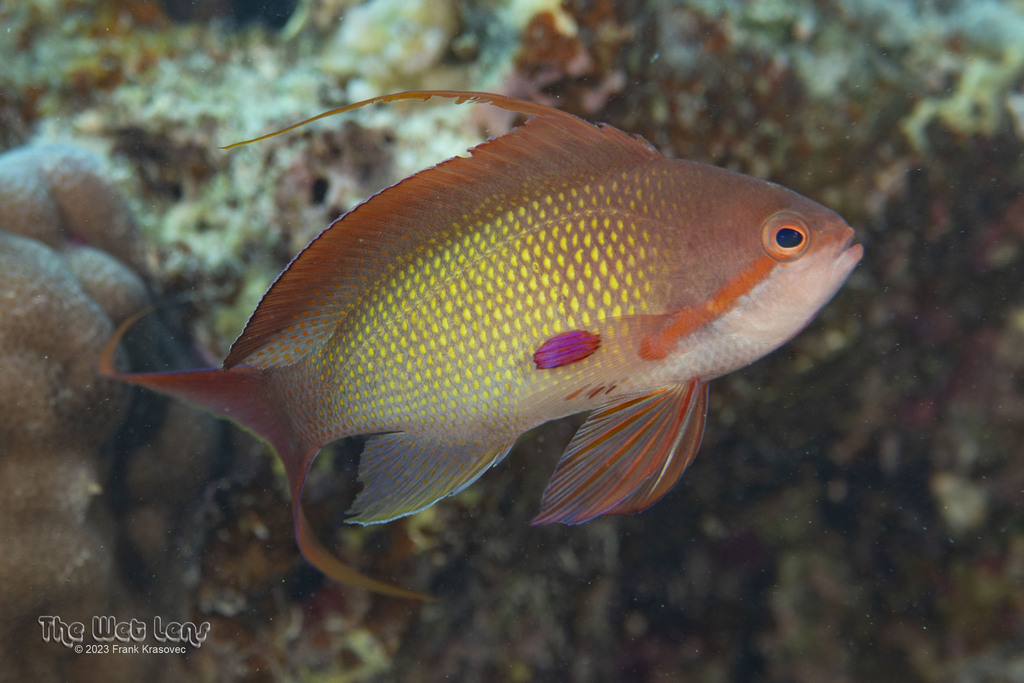
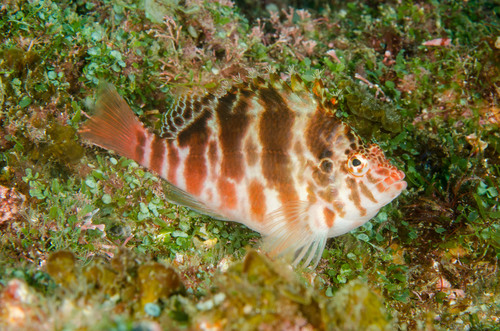
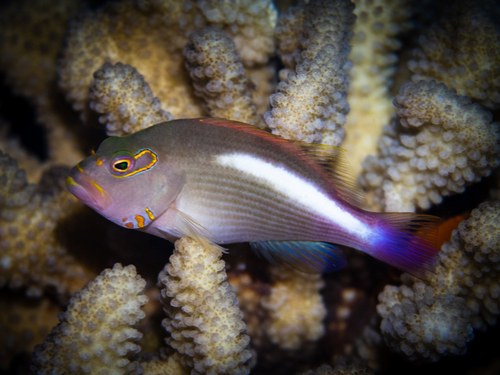
The Assorted Grouper showcases vibrant colors and diverse patterns, making it a prized addition to marine aquariums.
Pricing for Verified Importers
Log in to see wholesale prices and order.
Export Size
up to 100.0 cm
Origin
Indo-Pacific
Temperature
24.0–28.0°C
Min. Tank Size
400 L
Salinity
1.020–1.025 ppt
pH
8.10–8.40
Diet
carnivore
Assorted Grouper, belonging to the genus Epinephelus, are renowned for their striking coloration and robust bodies. These marine fish exhibit a wide variety of patterns, ranging from mottled browns and greens to vivid blues and yellows, depending on their specific species and habitat. Adult groupers can reach lengths of up to 100 cm, with some species displaying intricate markings that help them blend seamlessly into their coral reef environments. This camouflage is essential for their survival, providing protection from predators as they lurk in the shadows of rocky crevices and coral formations.
In their natural habitat, Assorted Groupers are primarily found in warm, shallow waters of the Indo-Pacific region, particularly around coral reefs. They are opportunistic predators, feeding on smaller fish and invertebrates, which they capture with their powerful jaws. Groupers are known for their unique hunting behavior; they can often be seen using their keen eyesight to ambush prey, making them fascinating to observe in both the wild and in aquariums.
Socially, groupers can exhibit both solitary and social behaviors, often establishing territories in their preferred environments. While they may be seen alone, some species are known to congregate in small groups during breeding seasons. Their reproductive strategies include a fascinating phenomenon known as sequential hermaphroditism, where some individuals may change sex as they age, further adding to their intriguing life cycle.
Overall, the Assorted Grouper is not only essential for maintaining the ecological balance of coral reef ecosystems but also serves as an attractive and engaging species for aquarium enthusiasts and wholesalers alike. Their vibrant colors and captivating behaviors make them a sought-after addition for marine aquariums worldwide.
In their natural habitat, Assorted Groupers are primarily found in warm, shallow waters of the Indo-Pacific region, particularly around coral reefs. They are opportunistic predators, feeding on smaller fish and invertebrates, which they capture with their powerful jaws. Groupers are known for their unique hunting behavior; they can often be seen using their keen eyesight to ambush prey, making them fascinating to observe in both the wild and in aquariums.
Socially, groupers can exhibit both solitary and social behaviors, often establishing territories in their preferred environments. While they may be seen alone, some species are known to congregate in small groups during breeding seasons. Their reproductive strategies include a fascinating phenomenon known as sequential hermaphroditism, where some individuals may change sex as they age, further adding to their intriguing life cycle.
Overall, the Assorted Grouper is not only essential for maintaining the ecological balance of coral reef ecosystems but also serves as an attractive and engaging species for aquarium enthusiasts and wholesalers alike. Their vibrant colors and captivating behaviors make them a sought-after addition for marine aquariums worldwide.
When caring for Assorted Grouper, it is essential to replicate their natural habitat as closely as possible. Ideal water parameters include a temperature range of 24-28°C, salinity levels between 1.020 and 1.025 ppt, and a pH level between 8.1 and 8.4. A minimum tank size of 400 liters is recommended to provide ample swimming space and a suitable environment for these active predators.
Feeding an Assorted Grouper requires a diet rich in protein, as they are carnivorous fish. High-quality pellets, frozen foods such as shrimp and fish, and live prey can be included in their diet to ensure proper nutrition. It's crucial to feed them multiple times a day in smaller portions to prevent overfeeding and maintain water quality.
In terms of compatibility, Assorted Groupers can be territorial and may not be suitable for community tanks with smaller or more passive species. It is advisable to introduce them to a well-established aquarium with compatible tank mates, such as larger fish species that can handle their assertive nature. Acclimation should be conducted gradually to minimize stress; a drip acclimation method is highly recommended. Quarantine procedures are essential for new arrivals to prevent the spread of diseases and parasites to the main tank.
Overall, with proper care and consideration of their natural behaviors and needs, Assorted Groupers can thrive in captivity, offering beauty and interest to marine aquariums.
Feeding an Assorted Grouper requires a diet rich in protein, as they are carnivorous fish. High-quality pellets, frozen foods such as shrimp and fish, and live prey can be included in their diet to ensure proper nutrition. It's crucial to feed them multiple times a day in smaller portions to prevent overfeeding and maintain water quality.
In terms of compatibility, Assorted Groupers can be territorial and may not be suitable for community tanks with smaller or more passive species. It is advisable to introduce them to a well-established aquarium with compatible tank mates, such as larger fish species that can handle their assertive nature. Acclimation should be conducted gradually to minimize stress; a drip acclimation method is highly recommended. Quarantine procedures are essential for new arrivals to prevent the spread of diseases and parasites to the main tank.
Overall, with proper care and consideration of their natural behaviors and needs, Assorted Groupers can thrive in captivity, offering beauty and interest to marine aquariums.
Assorted Groupers are suitable for shipping, provided that proper care is taken during transit. They should be packed in well-oxygenated water, ensuring adequate space to minimize stress. Packing density should be limited to prevent overcrowding, ideally shipping no more than 2-3 individuals per 100 liters of water. Temperature sensitivity is a factor; maintaining a stable temperature between 24-28°C during transit is crucial. Currently, there are no CITES restrictions on this species, allowing for smoother export processes.
Species Parameters
Max Adult Size
100.0 cm
Origin
Indo-Pacific
Diet
carnivore
Temp Min
24.0 °C
Temp Max
28.0 °C
Salinity Min
1.020
Salinity Max
1.025
pH Min
8.10
pH Max
8.40
Min Tank
400 L