Flame anthias/Madder Seaperch Anthias /Padang
pseudanthias ignitus
In Stock
Common stock
Wild Caught
Moderate care
With Caution
SKU: ML-MF-0073
The Flame Anthias is a stunning marine fish known for its vibrant coloration and active behavior.
Pricing for Verified Importers
Log in to see wholesale prices and order.
Export Size
up to 10.0 cm
Origin
Indo-Pacific
Temperature
24.0–28.0°C
Min. Tank Size
200 L
Salinity
1.020–1.025 ppt
pH
8.10–8.40
Diet
carnivore
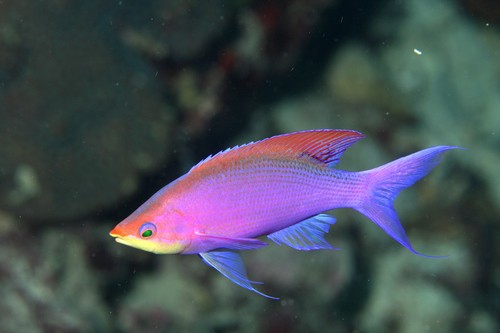
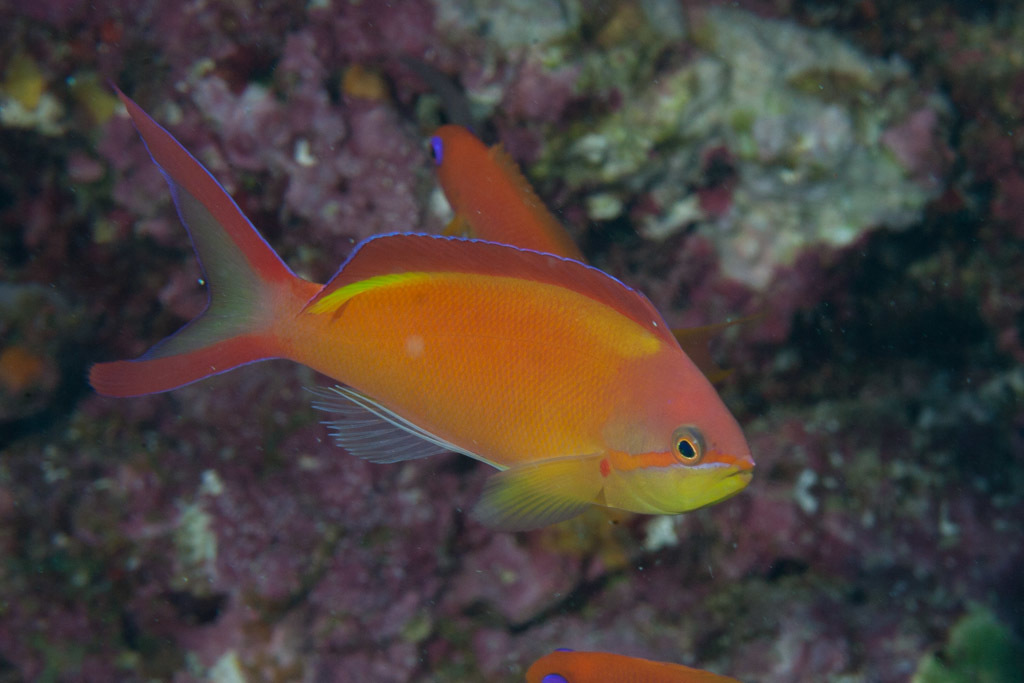
The Flame Anthias, scientifically known as Pseudanthias ignitus, is a captivating species native to the coral reefs of the Indo-Pacific region. This marine fish is distinguished by its striking coloration, featuring brilliant orange and pink hues that create a mesmerizing display in any aquarium setting. Adult males are particularly vibrant, showcasing deep orange bodies with yellow accents, while females exhibit more subdued coloration. Their vivid appearance is not only beautiful but also serves as a signal in their social interactions within their natural habitat.
Flame Anthias are typically found in coral-rich environments, often inhabiting depths between 10 and 50 meters. They prefer to stay near the reef’s edge, where they can dart in and out of hiding spots among the corals. This species is known for its active and social behavior, often forming small groups or harems led by a dominant male. These fish are diurnal, spending their days foraging for food and interacting with one another, making them a lively addition to any marine aquarium.
In terms of behavior, Flame Anthias are relatively peaceful and can coexist well with other reef species. They are known to be curious and can often be seen exploring their surroundings. However, during breeding, males can become territorial, especially around females, which is an important consideration for aquarium keepers.
Overall, the Flame Anthias is not only a stunning visual addition to aquariums but also offers fascinating insights into social structures and behaviors of marine life. Their presence enhances the aesthetic and ecological balance of reef systems, both in the wild and in captivity.
Flame Anthias are typically found in coral-rich environments, often inhabiting depths between 10 and 50 meters. They prefer to stay near the reef’s edge, where they can dart in and out of hiding spots among the corals. This species is known for its active and social behavior, often forming small groups or harems led by a dominant male. These fish are diurnal, spending their days foraging for food and interacting with one another, making them a lively addition to any marine aquarium.
In terms of behavior, Flame Anthias are relatively peaceful and can coexist well with other reef species. They are known to be curious and can often be seen exploring their surroundings. However, during breeding, males can become territorial, especially around females, which is an important consideration for aquarium keepers.
Overall, the Flame Anthias is not only a stunning visual addition to aquariums but also offers fascinating insights into social structures and behaviors of marine life. Their presence enhances the aesthetic and ecological balance of reef systems, both in the wild and in captivity.
When caring for Flame Anthias, it is essential to maintain optimal water parameters to ensure their health and well-being. The ideal temperature range for this species is between 24°C to 28°C, with a salinity level of 1.020 to 1.025 ppt. Regular water changes and good filtration are crucial in keeping the water quality high. The pH should be maintained between 8.1 and 8.4.
Feeding Flame Anthias is straightforward, as they are carnivorous and thrive on a diet rich in protein. High-quality marine flakes, frozen or live brine shrimp, and mysis shrimp are excellent choices. It is recommended to feed them multiple small meals throughout the day to mimic their natural foraging behavior, as they have small stomachs and require frequent feeding.
In terms of compatibility, Flame Anthias are generally peaceful and can be kept with a variety of other reef fish. However, it is advisable to introduce them in groups to prevent aggression from dominant males. Acclimation should be done slowly to reduce stress, ideally over several hours using the drip acclimation method. Quarantine is recommended for new arrivals to prevent the introduction of diseases.
Overall, with proper care and a suitable environment, Flame Anthias can thrive and add vibrant life to any marine aquarium.
Feeding Flame Anthias is straightforward, as they are carnivorous and thrive on a diet rich in protein. High-quality marine flakes, frozen or live brine shrimp, and mysis shrimp are excellent choices. It is recommended to feed them multiple small meals throughout the day to mimic their natural foraging behavior, as they have small stomachs and require frequent feeding.
In terms of compatibility, Flame Anthias are generally peaceful and can be kept with a variety of other reef fish. However, it is advisable to introduce them in groups to prevent aggression from dominant males. Acclimation should be done slowly to reduce stress, ideally over several hours using the drip acclimation method. Quarantine is recommended for new arrivals to prevent the introduction of diseases.
Overall, with proper care and a suitable environment, Flame Anthias can thrive and add vibrant life to any marine aquarium.
Flame Anthias are suitable for shipping due to their adaptability and resilience. They should be packed in appropriately sized bags with sufficient oxygen and water to ensure comfort during transit. Maintaining a temperature range of 22°C to 26°C during shipping is critical to their survival. The CITES status is not applicable, allowing for smoother export processes from Bali.
Species Parameters
Max Adult Size
10.0 cm
Origin
Indo-Pacific
Diet
carnivore
Temp Min
24.0 °C
Temp Max
28.0 °C
Salinity Min
1.020
Salinity Max
1.025
pH Min
8.10
pH Max
8.40
Min Tank
200 L