giant grouper
epinephelus lanceolatus (l)
In Stock
Common stock
Wild Caught
Moderate care
With Caution
SKU: ML-MF-0335
The giant grouper is a captivating marine fish known for its impressive size and striking appearance.
Pricing for Verified Importers
Log in to see wholesale prices and order.
Export Size
up to 270.0 cm
Origin
Indo-Pacific
Temperature
24.0–30.0°C
Min. Tank Size
1,000 L
Salinity
30.000–35.000 ppt
pH
8.10–8.40
Diet
carnivore
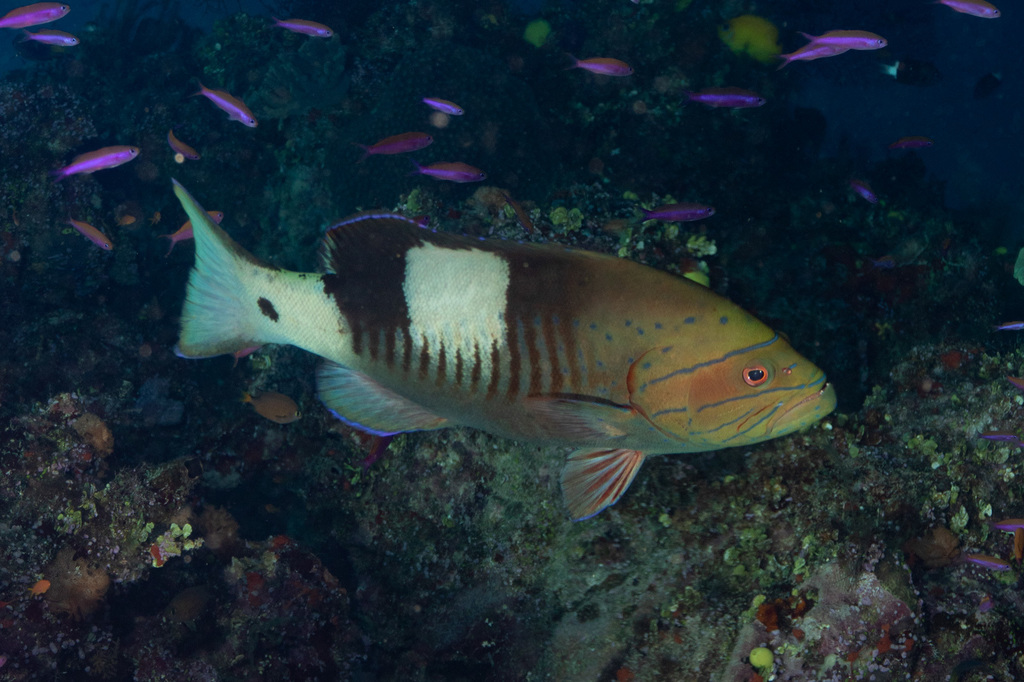
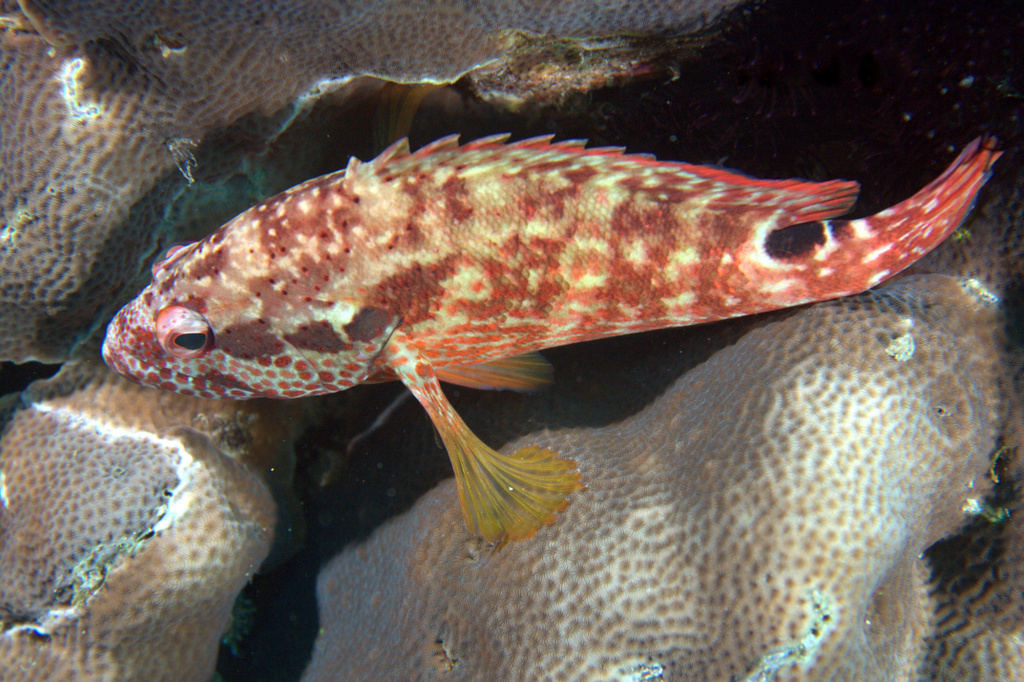
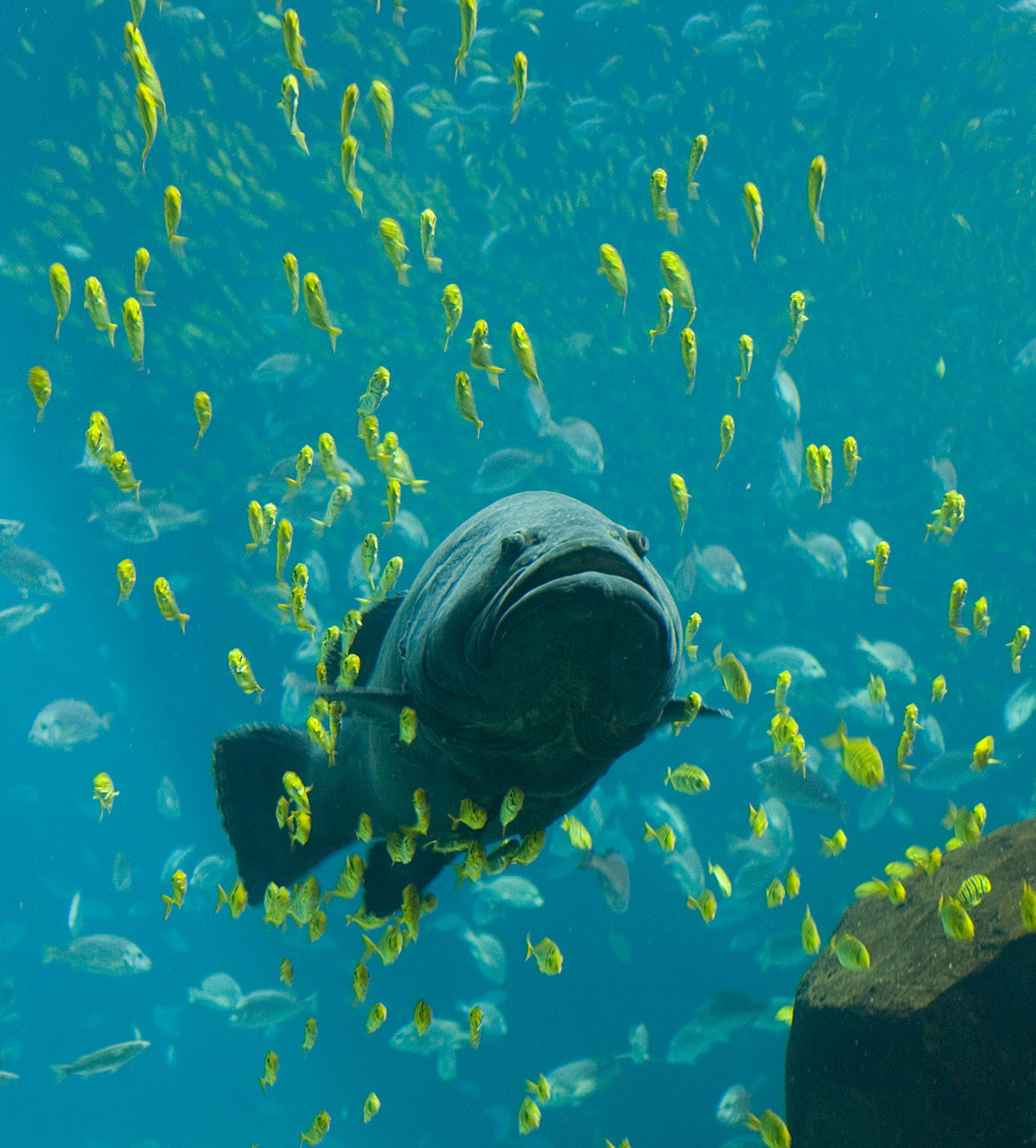
The giant grouper (Epinephelus lanceolatus) is one of the largest reef fish in the world, renowned for its robust body and distinctive coloration. Typically, adults exhibit a mottled pattern of greenish-brown to grayish hues, adorned with lighter spots that help them blend into their rocky and coral reef habitats. These fish can grow up to 2.7 meters (8.9 feet) in length and weigh over 400 kilograms (880 pounds), making them a remarkable sight for divers and aquarium enthusiasts alike.
Giant groupers are primarily found in shallow, warm waters of the Indo-Pacific region, particularly around coral reefs, where they seek shelter among rock formations and caves. They are solitary by nature, often seen resting on the seafloor or slowly patrolling their territory. Their diet mainly consists of fish, crustaceans, and other marine organisms, showcasing their predatory behavior. Interestingly, these fish have a slow growth rate and can live for several decades, with the oldest individuals reported to be over 30 years old.
In terms of behavior, giant groupers are known for their boldness and can exhibit territoriality, especially during spawning seasons. They play a significant ecological role as apex predators, helping maintain the balance within their marine ecosystems. Their spawning activities often involve complex rituals, including synchronized movements with other groupers, contributing to the overall reproductive success of the species.
Despite their impressive presence, giant groupers face threats from overfishing and habitat degradation, leading to their classification as vulnerable by the IUCN. Conservation efforts are essential to ensure their survival and the health of the coral reef ecosystems they inhabit.
Giant groupers are primarily found in shallow, warm waters of the Indo-Pacific region, particularly around coral reefs, where they seek shelter among rock formations and caves. They are solitary by nature, often seen resting on the seafloor or slowly patrolling their territory. Their diet mainly consists of fish, crustaceans, and other marine organisms, showcasing their predatory behavior. Interestingly, these fish have a slow growth rate and can live for several decades, with the oldest individuals reported to be over 30 years old.
In terms of behavior, giant groupers are known for their boldness and can exhibit territoriality, especially during spawning seasons. They play a significant ecological role as apex predators, helping maintain the balance within their marine ecosystems. Their spawning activities often involve complex rituals, including synchronized movements with other groupers, contributing to the overall reproductive success of the species.
Despite their impressive presence, giant groupers face threats from overfishing and habitat degradation, leading to their classification as vulnerable by the IUCN. Conservation efforts are essential to ensure their survival and the health of the coral reef ecosystems they inhabit.
When importing giant groupers, it is crucial to maintain appropriate water parameters to ensure their health and well-being. The ideal temperature range for giant groupers is between 24-30°C, with a salinity of 30-35 ppt. pH levels should be maintained between 8.1 and 8.4. Minimum tank size should be at least 1000 liters to accommodate their large size and provide ample swimming space.
Feeding giant groupers requires a diet rich in protein, as they are carnivores. A varied diet of high-quality pellets, fresh fish, and crustaceans is recommended to ensure proper nutrition. Compatibility with other species can be challenging due to their size and territorial behavior; therefore, keeping them in a species-only tank or with very large tank mates is advisable.
Acclimation should be done slowly to reduce stress, typically over a period of several hours, using the drip acclimation method. Quarantine new arrivals for at least two weeks to monitor for any signs of disease or stress before introducing them to the main display tank. Regular water quality testing and maintenance are essential to keep these magnificent fish healthy.
Feeding giant groupers requires a diet rich in protein, as they are carnivores. A varied diet of high-quality pellets, fresh fish, and crustaceans is recommended to ensure proper nutrition. Compatibility with other species can be challenging due to their size and territorial behavior; therefore, keeping them in a species-only tank or with very large tank mates is advisable.
Acclimation should be done slowly to reduce stress, typically over a period of several hours, using the drip acclimation method. Quarantine new arrivals for at least two weeks to monitor for any signs of disease or stress before introducing them to the main display tank. Regular water quality testing and maintenance are essential to keep these magnificent fish healthy.
Giant groupers are suitably shipped in well-oxygenated water with appropriate packing density to minimize stress during transport. They are sensitive to temperature fluctuations, so maintaining a stable range of 24-28°C during shipping is crucial. As a CITES Appendix II species, permits may be required for export, and compliance with regulations is essential.
Species Parameters
Max Adult Size
270.0 cm
Origin
Indo-Pacific
Diet
carnivore
Temp Min
24.0 °C
Temp Max
30.0 °C
Salinity Min
30.000
Salinity Max
35.000
pH Min
8.10
pH Max
8.40
Min Tank
1000 L