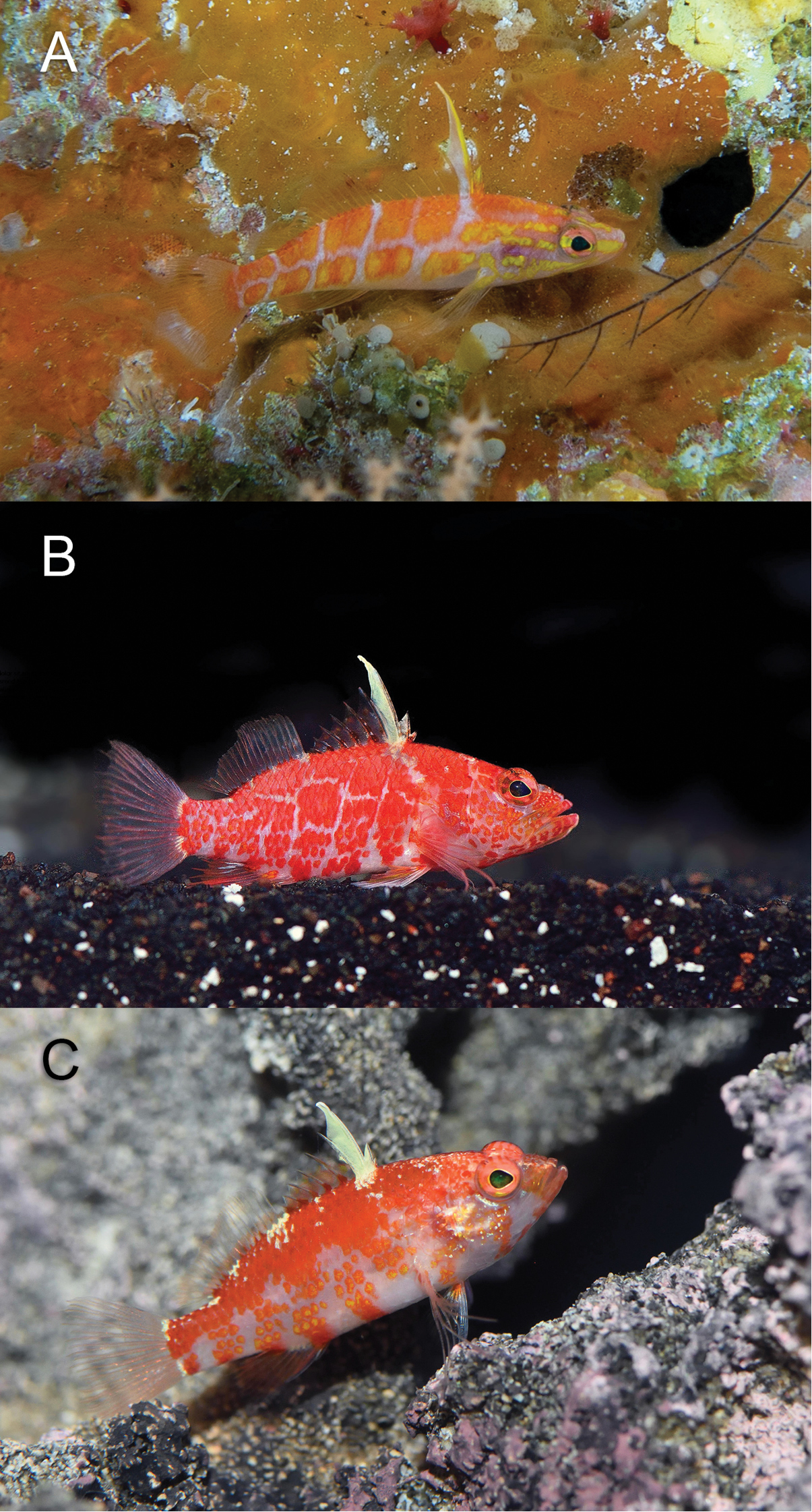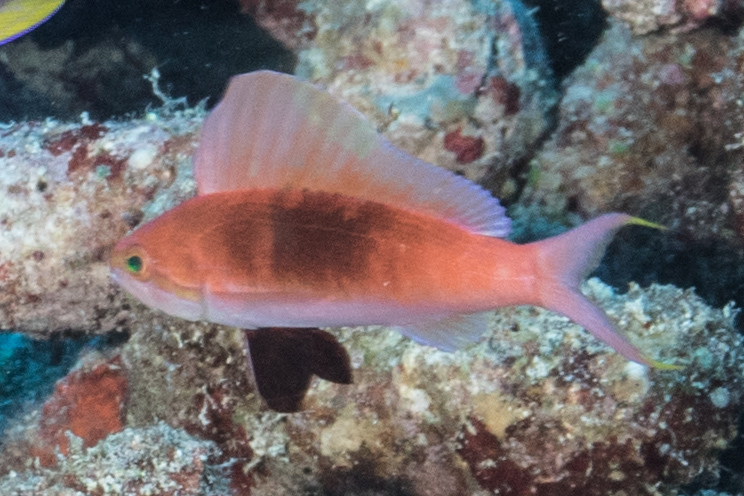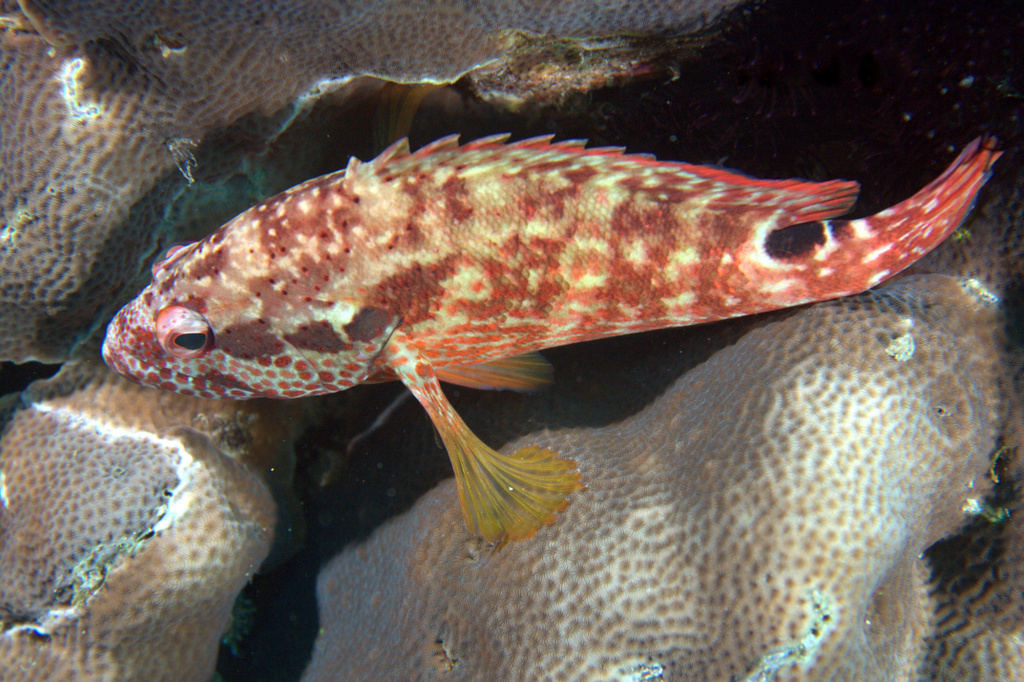
Leopard Rockcod
cephalopholis leopardus
In Stock
Common stock
Wild Caught
Moderate care
With Caution
SKU: ML-MF-0338
The Leopard Rockcod is a vibrant marine predator known for its striking coloration and patterns.
Pricing for Verified Importers
Log in to see wholesale prices and order.
Export Size
up to 60.0 cm
Origin
Indo-Pacific
Temperature
24.0–28.0°C
Min. Tank Size
300 L
Salinity
35.000–35.000 ppt
pH
8.10–8.40
Diet
carnivore
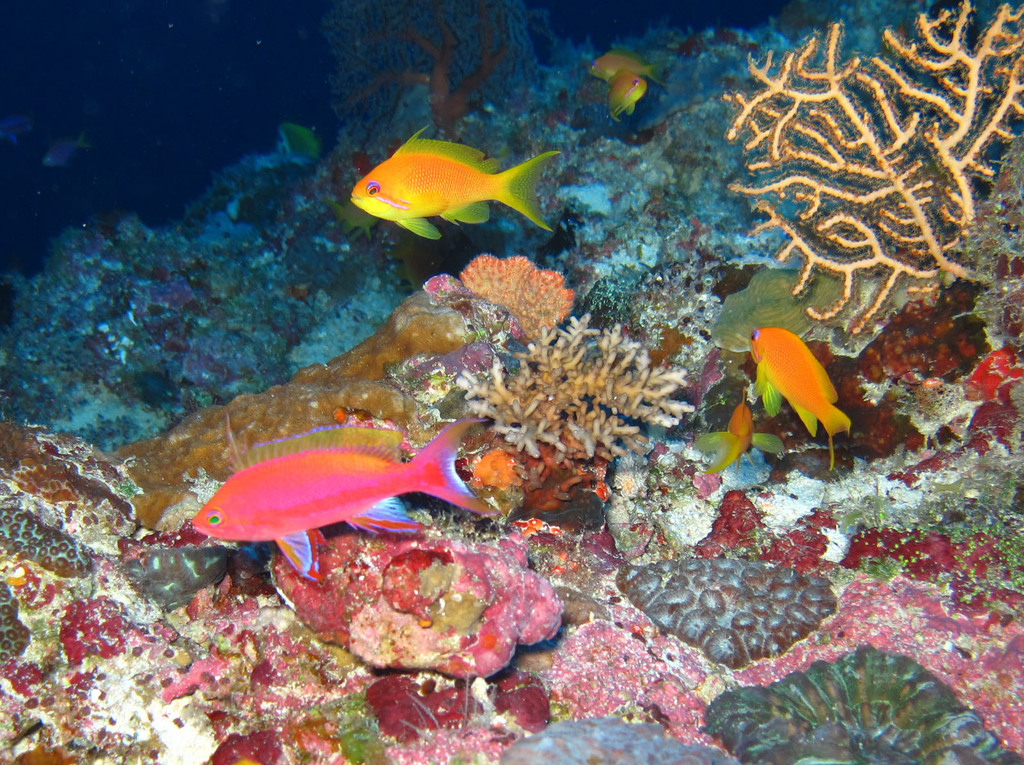
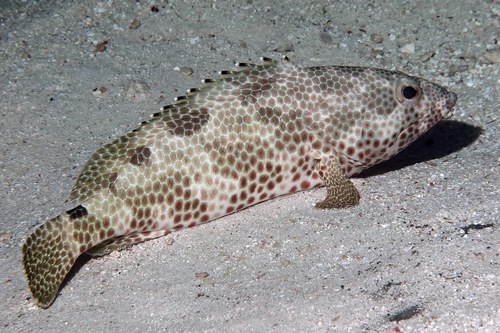
The Leopard Rockcod (Cephalopholis leopardus) is a captivating marine fish found predominantly in the coral reefs of the Indo-Pacific region, particularly around Bali, Indonesia. This species is remarkable for its distinctive coloration, featuring a mix of yellow, orange, and black spots that resemble a leopard's coat. These vibrant patterns not only add to its beauty but also provide effective camouflage among the coral and rocky substrates of its habitat.
In terms of natural history, the Leopard Rockcod is a solitary predator, primarily feeding on smaller fish and crustaceans. They are known for their ambush hunting techniques, often lying in wait among coral formations before swiftly darting out to capture their prey. Their behavior is characterized by territoriality, especially during breeding seasons, when males become more aggressive in defending their chosen nesting sites.
The Leopard Rockcod inhabits rocky reefs and coral structures, typically at depths ranging from 5 to 50 meters. They prefer areas with ample hiding spots and are often found in caves and crevices. This species plays a crucial role in the marine ecosystem by helping to maintain the balance of fish populations within its habitat.
As an aquarium species, the Leopard Rockcod is admired for its vibrant appearance and dynamic behavior, making it a popular choice for marine enthusiasts. However, its needs must be carefully considered to ensure a healthy and thriving environment in captivity.
In terms of natural history, the Leopard Rockcod is a solitary predator, primarily feeding on smaller fish and crustaceans. They are known for their ambush hunting techniques, often lying in wait among coral formations before swiftly darting out to capture their prey. Their behavior is characterized by territoriality, especially during breeding seasons, when males become more aggressive in defending their chosen nesting sites.
The Leopard Rockcod inhabits rocky reefs and coral structures, typically at depths ranging from 5 to 50 meters. They prefer areas with ample hiding spots and are often found in caves and crevices. This species plays a crucial role in the marine ecosystem by helping to maintain the balance of fish populations within its habitat.
As an aquarium species, the Leopard Rockcod is admired for its vibrant appearance and dynamic behavior, making it a popular choice for marine enthusiasts. However, its needs must be carefully considered to ensure a healthy and thriving environment in captivity.
For successful care of the Leopard Rockcod, it is essential to replicate its natural habitat as closely as possible. Ideal water parameters include a temperature range of 24-28°C, a salinity level between 1.020 and 1.025 ppt, and a pH level of 8.1 to 8.4. A minimum tank size of 300 liters is recommended to provide sufficient swimming space and hiding spots.
Feeding should consist of a varied diet of high-quality pellets, live or frozen foods such as shrimp, small fish, and mollusks to meet their carnivorous dietary needs. Compatibility with other species can be challenging; it is best kept with other robust fish that can withstand potential aggression, particularly during feeding times.
Acclimation to a new tank should be gradual, using drip acclimation techniques to minimize stress. Quarantine for at least two weeks is recommended to monitor for any signs of disease before introducing them to the main tank. Regular water quality testing and maintenance are crucial to keep this species healthy in captivity.
Feeding should consist of a varied diet of high-quality pellets, live or frozen foods such as shrimp, small fish, and mollusks to meet their carnivorous dietary needs. Compatibility with other species can be challenging; it is best kept with other robust fish that can withstand potential aggression, particularly during feeding times.
Acclimation to a new tank should be gradual, using drip acclimation techniques to minimize stress. Quarantine for at least two weeks is recommended to monitor for any signs of disease before introducing them to the main tank. Regular water quality testing and maintenance are crucial to keep this species healthy in captivity.
The Leopard Rockcod is suitable for export and can be shipped with proper care. Packing density should be low to reduce stress during transport, with adequate oxygenation. This species is sensitive to temperature fluctuations, so maintaining a stable environment between 24-28°C during shipping is critical. Currently, there are no CITES restrictions on this species.
Species Parameters
Max Adult Size
60.0 cm
Origin
Indo-Pacific
Diet
carnivore
Temp Min
24.0 °C
Temp Max
28.0 °C
Salinity Min
35.000
Salinity Max
35.000
pH Min
8.10
pH Max
8.40
Min Tank
300 L