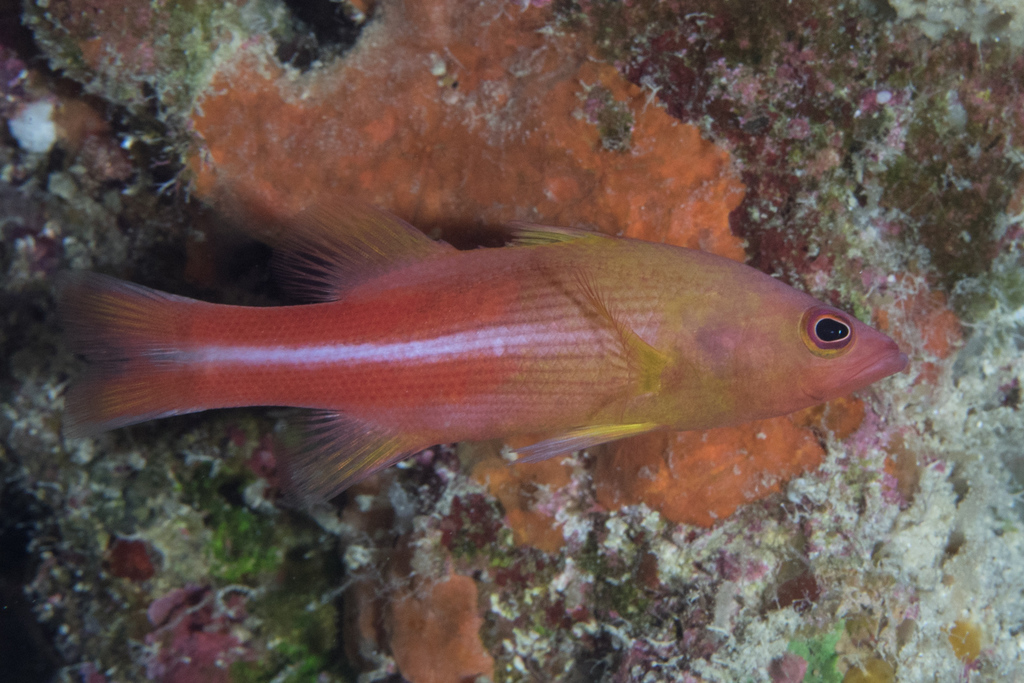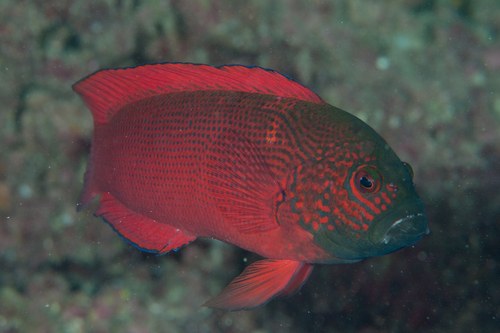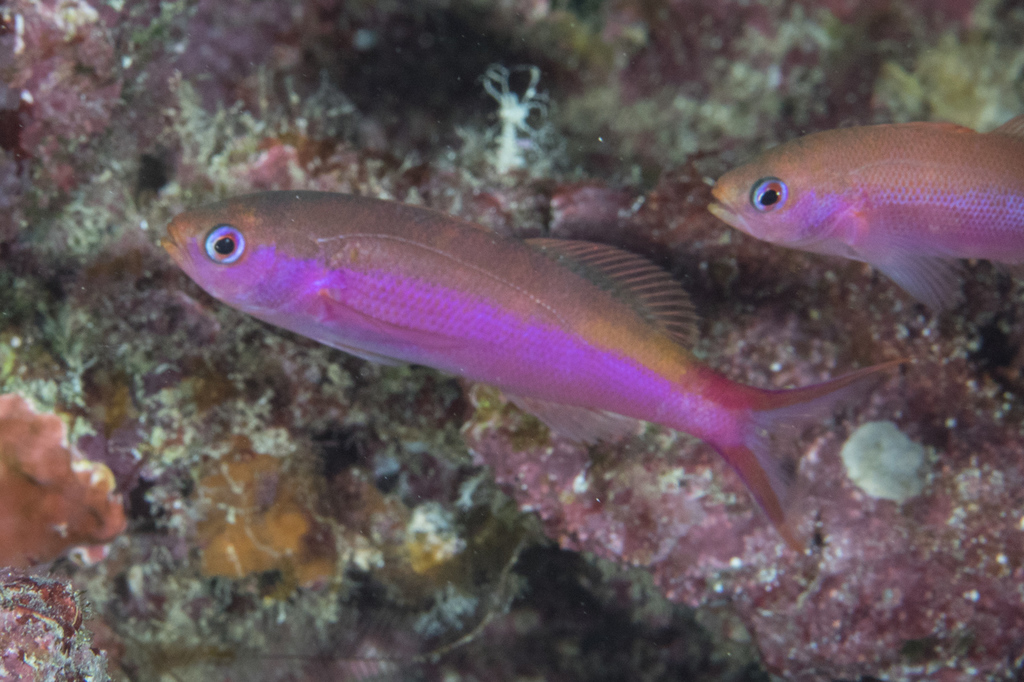
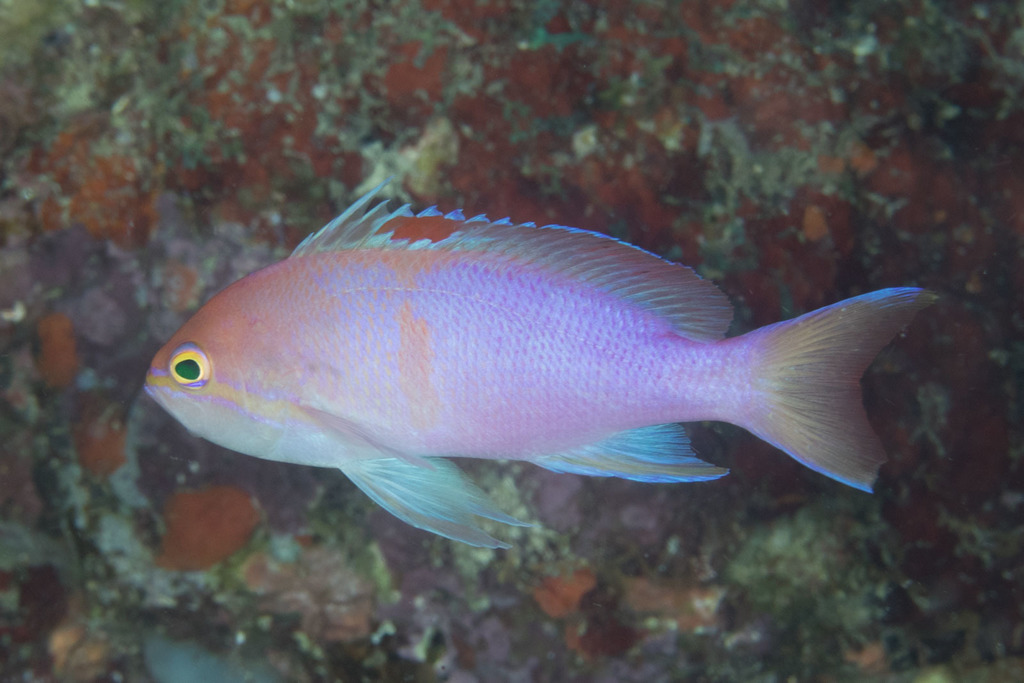
Orangebar anthias/Pale Bar Basslet
pseudanthias engelhardi
In Stock
Common stock
Wild Caught
Moderate care
With Caution
SKU: ML-MF-0056
The Orangebar anthias is a stunning marine fish known for its vibrant colors and social behavior.
Pricing for Verified Importers
Log in to see wholesale prices and order.
Export Size
up to 10.0 cm
Origin
Indo-Pacific
Temperature
24.0–28.0°C
Min. Tank Size
200 L
Salinity
1.020–1.025 ppt
pH
8.10–8.40
Diet
carnivore
The Orangebar anthias, scientifically known as Pseudanthias engelhardi, is a striking marine fish that captivates aquarists with its bright coloration and engaging behavior. This species displays a mix of orange and yellow hues, with distinct orange bars running horizontally across its body, making it a visually appealing addition to any reef tank. Males are typically more vibrantly colored than females, showcasing their dominance and attracting mates during spawning rituals.
These fish are primarily found in coral reef environments throughout the Indo-Pacific region, particularly around Bali, Indonesia. They inhabit depths of 10 to 50 meters, often residing in small schools near the reef’s edge. Orangebar anthias are known for their diurnal feeding habits, where they actively forage for zooplankton and small invertebrates during the day. Their social structure is fascinating; they often form harems led by a dominant male, promoting a dynamic and active display in the aquarium setting.
In addition to their vibrant appearance and social behavior, Orangebar anthias are known for their peaceful nature, making them suitable for community tanks with compatible species. Their natural habitat provides ample shelter among corals and rock formations, which is critical for their wellbeing in captivity. They thrive in well-maintained aquariums that mimic their natural environment, offering plenty of swimming space and hiding spots.
Overall, the Orangebar anthias is not only a beautiful fish but also an interesting species for aquarists who appreciate social dynamics and vibrant marine life. Their ability to adapt to various reef environments adds to their allure, making them a popular choice in the aquarium trade.
These fish are primarily found in coral reef environments throughout the Indo-Pacific region, particularly around Bali, Indonesia. They inhabit depths of 10 to 50 meters, often residing in small schools near the reef’s edge. Orangebar anthias are known for their diurnal feeding habits, where they actively forage for zooplankton and small invertebrates during the day. Their social structure is fascinating; they often form harems led by a dominant male, promoting a dynamic and active display in the aquarium setting.
In addition to their vibrant appearance and social behavior, Orangebar anthias are known for their peaceful nature, making them suitable for community tanks with compatible species. Their natural habitat provides ample shelter among corals and rock formations, which is critical for their wellbeing in captivity. They thrive in well-maintained aquariums that mimic their natural environment, offering plenty of swimming space and hiding spots.
Overall, the Orangebar anthias is not only a beautiful fish but also an interesting species for aquarists who appreciate social dynamics and vibrant marine life. Their ability to adapt to various reef environments adds to their allure, making them a popular choice in the aquarium trade.
To ensure the healthy maintenance of Orangebar anthias in captivity, it is crucial to provide optimal water parameters. Ideal temperature ranges from 24°C to 28°C, with a salinity level of 1.020 to 1.025 ppt. Maintaining a stable pH between 8.1 and 8.4 is also essential. A minimum tank size of 200 liters is recommended to allow for adequate swimming space and social interaction.
Feeding Orangebar anthias requires a varied diet consisting of high-quality frozen or live foods such as brine shrimp, mysis shrimp, and finely chopped marine foods. It is advisable to feed them multiple small meals throughout the day to replicate their natural feeding behavior. This approach helps prevent aggression and dominance issues among tank mates.
Compatibility is a significant factor when housing Orangebar anthias, as they thrive in peaceful community tanks. They do well with other non-aggressive marine species but may show territorial behavior towards similar-looking fish. Acclimation should be gradual; use drip acclimation methods to minimize stress. Quarantine new arrivals for at least two weeks to prevent the introduction of diseases into the main display tank.
Feeding Orangebar anthias requires a varied diet consisting of high-quality frozen or live foods such as brine shrimp, mysis shrimp, and finely chopped marine foods. It is advisable to feed them multiple small meals throughout the day to replicate their natural feeding behavior. This approach helps prevent aggression and dominance issues among tank mates.
Compatibility is a significant factor when housing Orangebar anthias, as they thrive in peaceful community tanks. They do well with other non-aggressive marine species but may show territorial behavior towards similar-looking fish. Acclimation should be gradual; use drip acclimation methods to minimize stress. Quarantine new arrivals for at least two weeks to prevent the introduction of diseases into the main display tank.
Orangebar anthias are suitable for shipping due to their hardiness, but careful packing is essential to ensure their survival. The recommended packing density is 1 fish per 10 liters of water to reduce stress during transport. Temperature sensitivity requires maintaining a stable range between 24°C and 28°C during shipping. This species is not listed under CITES, simplifying export procedures.
Species Parameters
Max Adult Size
10.0 cm
Origin
Indo-Pacific
Diet
carnivore
Temp Min
24.0 °C
Temp Max
28.0 °C
Salinity Min
1.020
Salinity Max
1.025
pH Min
8.10
pH Max
8.40
Min Tank
200 L