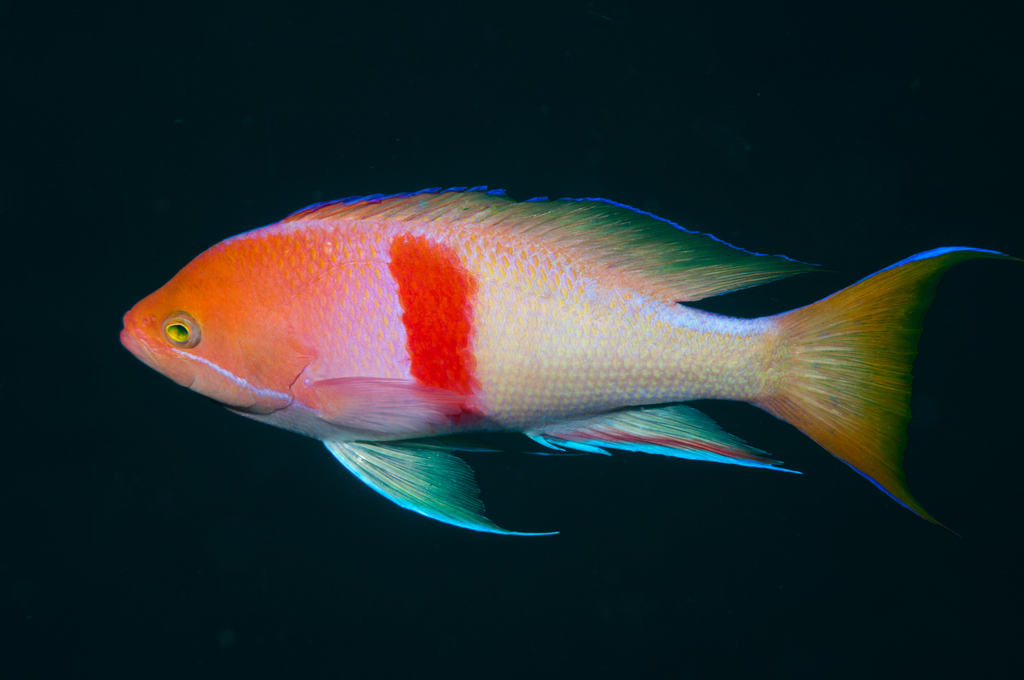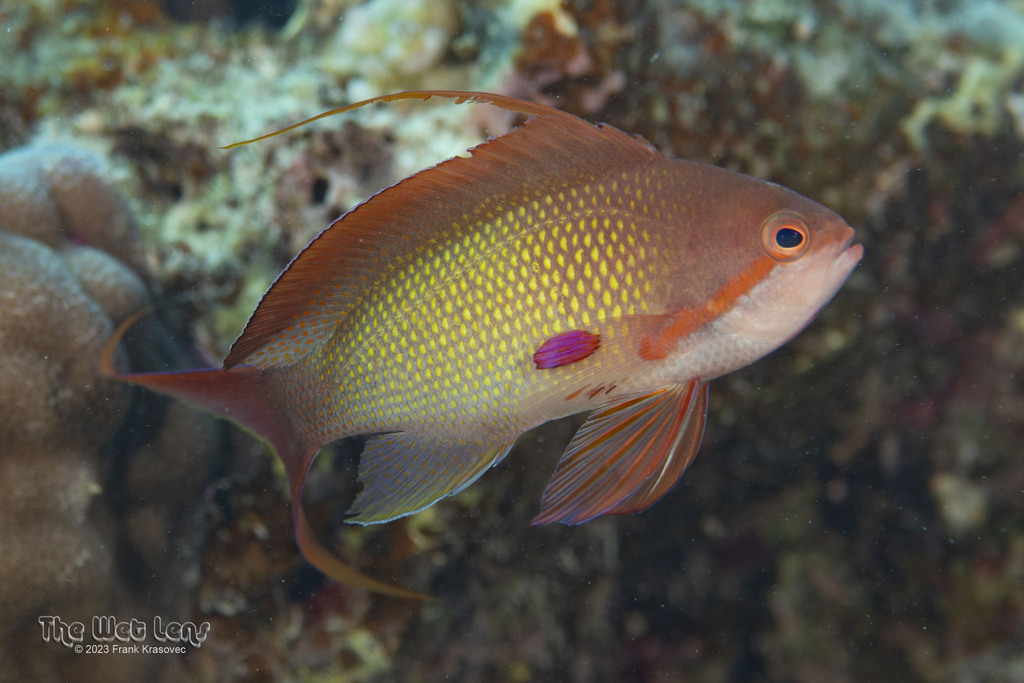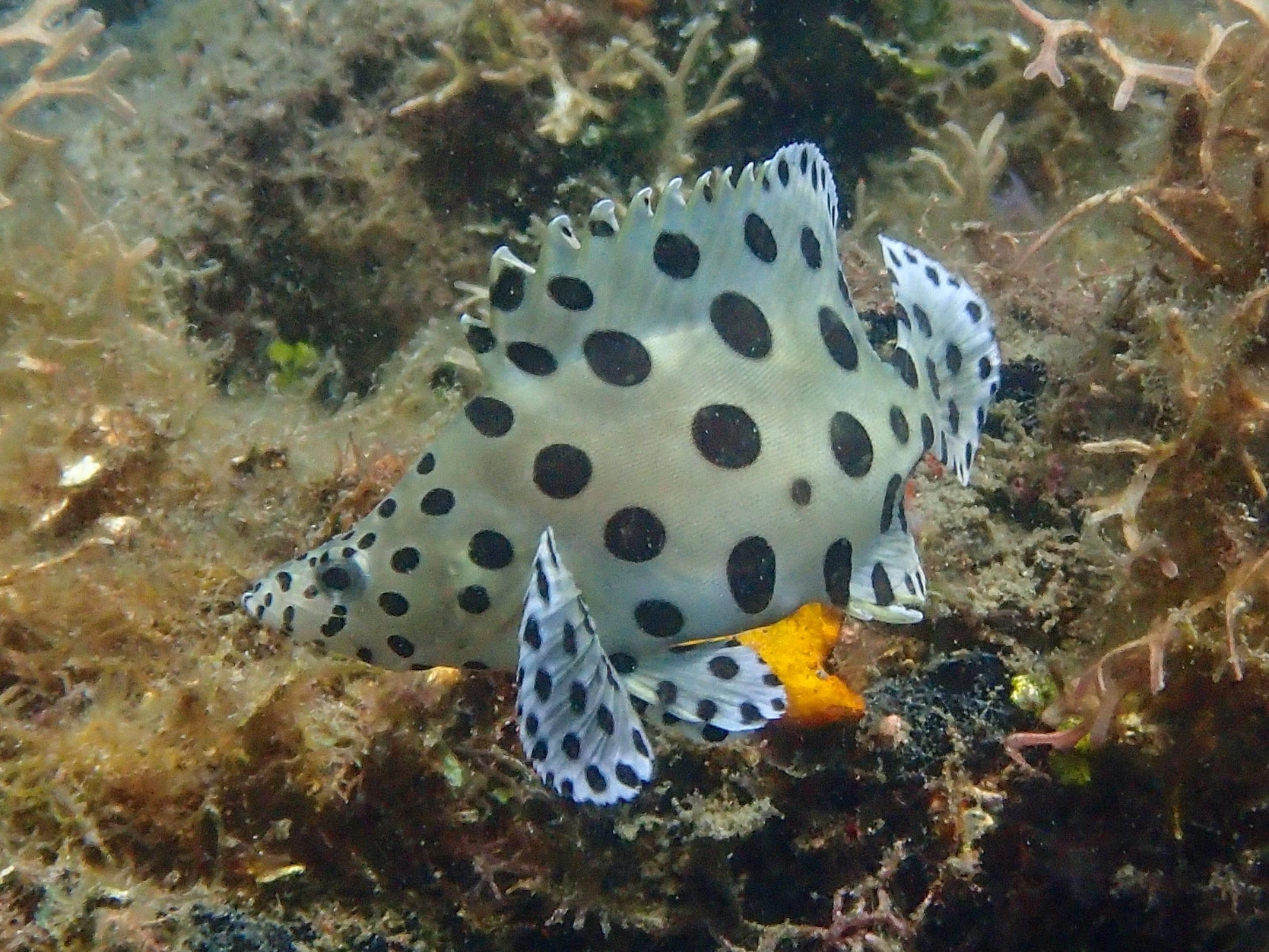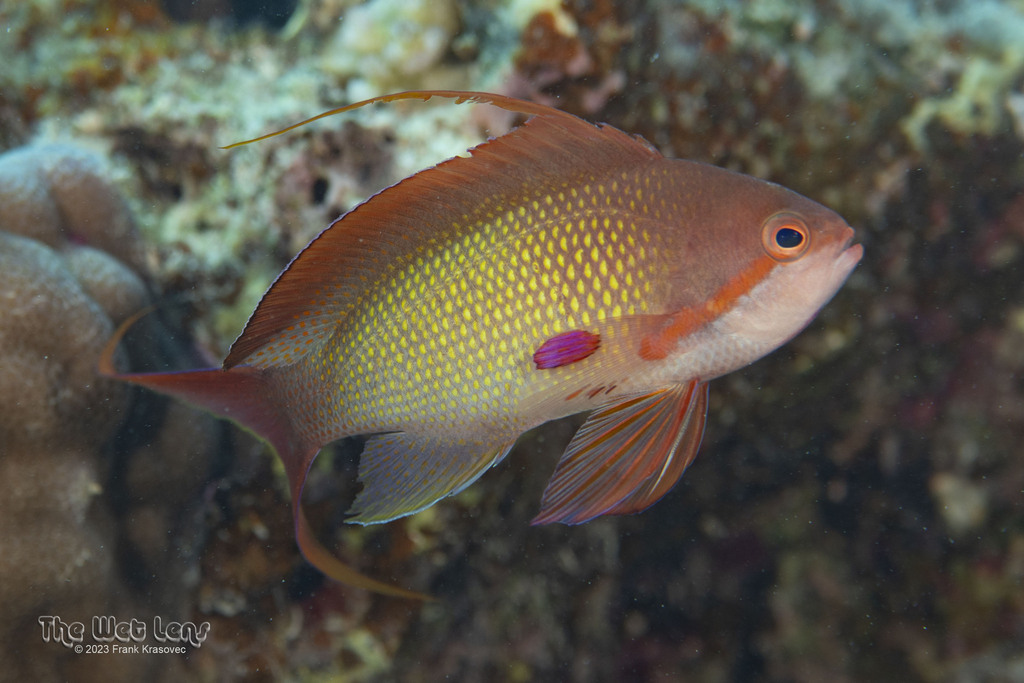
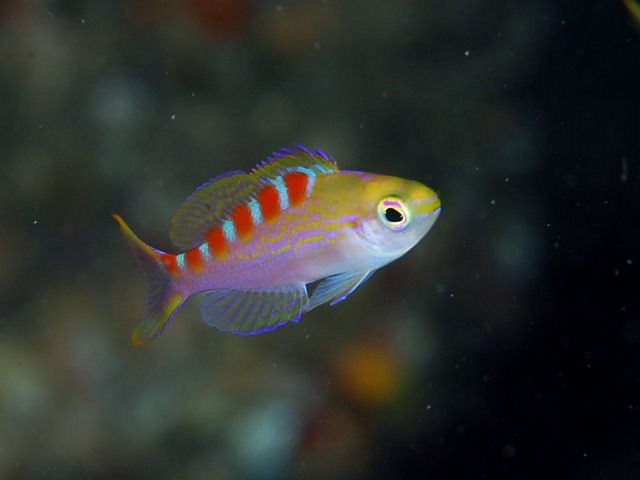
Yellow-spotted anthias/Basslet Palu
pseudanthias flavoguttatus
In Stock
Common stock
Wild Caught
Moderate care
With Caution
SKU: ML-MF-0072
The Yellow-spotted anthias is a vibrant marine fish known for its stunning colors and social behavior.
Pricing for Verified Importers
Log in to see wholesale prices and order.
Export Size
up to 10.0 cm
Origin
Coral Triangle
Temperature
24.0–28.0°C
Min. Tank Size
200 L
Salinity
20.000–25.000 ppt
pH
8.10–8.40
Diet
carnivore
The Yellow-spotted anthias, scientifically known as Pseudanthias flavoguttatus, is a striking marine fish native to the coral reefs of the Coral Triangle. This species is characterized by its vibrant yellow coloration adorned with distinctive spots, which adds a splash of color to any aquarium setting. Adult individuals display a streamlined body, typically reaching a maximum size of around 10 cm. Their striking appearance makes them a popular choice among aquarium enthusiasts and collectors.
In their natural habitat, Yellow-spotted anthias are often found in small groups, typically residing in the upper reaches of coral reefs. They thrive in warm, clear waters, where they can easily access their primary food sources, including zooplankton and small invertebrates. These fish exhibit a unique social behavior, often forming loose aggregations, which enhances their safety from predators and contributes to their vibrant display during feeding frenzies.
Behaviorally, Yellow-spotted anthias are known for their active swimming patterns and inquisitive nature. They are often seen darting among the coral structures, showcasing their agility. This species is diurnal, meaning they are most active during the day, and they may retreat into coral crevices at night for protection. Their social structure is typically male-dominated, with a single male often leading a group of females, which is a fascinating aspect of their natural history.
The Yellow-spotted anthias plays a significant role in the ecosystem of coral reefs, helping to maintain the balance by feeding on zooplankton. Their presence indicates a healthy reef environment, making them an important species for conservation efforts. As a popular aquarium fish, they provide not only beauty but also serve as a reminder of the biodiversity found in marine ecosystems.
In their natural habitat, Yellow-spotted anthias are often found in small groups, typically residing in the upper reaches of coral reefs. They thrive in warm, clear waters, where they can easily access their primary food sources, including zooplankton and small invertebrates. These fish exhibit a unique social behavior, often forming loose aggregations, which enhances their safety from predators and contributes to their vibrant display during feeding frenzies.
Behaviorally, Yellow-spotted anthias are known for their active swimming patterns and inquisitive nature. They are often seen darting among the coral structures, showcasing their agility. This species is diurnal, meaning they are most active during the day, and they may retreat into coral crevices at night for protection. Their social structure is typically male-dominated, with a single male often leading a group of females, which is a fascinating aspect of their natural history.
The Yellow-spotted anthias plays a significant role in the ecosystem of coral reefs, helping to maintain the balance by feeding on zooplankton. Their presence indicates a healthy reef environment, making them an important species for conservation efforts. As a popular aquarium fish, they provide not only beauty but also serve as a reminder of the biodiversity found in marine ecosystems.
To successfully maintain Yellow-spotted anthias in captivity, it is crucial to replicate their natural habitat as closely as possible. Ideal water parameters include a temperature range of 24-28°C, salinity between 1.020 and 1.025 ppt, and a pH level between 8.1 and 8.4. A minimum tank size of 200 liters is recommended to provide ample swimming space and reduce territorial disputes among individuals.
Feeding Yellow-spotted anthias requires a varied diet that mimics their natural foraging habits. High-quality marine flakes and pellets, along with frozen or live foods such as brine shrimp and mysis shrimp, will promote optimal health and coloration. Regular feeding 2-3 times a day is advisable, as these fish have high metabolisms.
Compatibility is generally good, as Yellow-spotted anthias are peaceful and can coexist with a variety of reef fish. However, care should be taken to avoid aggressive species. Acclimation is essential; a drip acclimation method is recommended to minimize stress when introducing them to a new tank. Quarantine periods of at least two weeks should be observed to prevent the introduction of diseases into the main aquarium.
Feeding Yellow-spotted anthias requires a varied diet that mimics their natural foraging habits. High-quality marine flakes and pellets, along with frozen or live foods such as brine shrimp and mysis shrimp, will promote optimal health and coloration. Regular feeding 2-3 times a day is advisable, as these fish have high metabolisms.
Compatibility is generally good, as Yellow-spotted anthias are peaceful and can coexist with a variety of reef fish. However, care should be taken to avoid aggressive species. Acclimation is essential; a drip acclimation method is recommended to minimize stress when introducing them to a new tank. Quarantine periods of at least two weeks should be observed to prevent the introduction of diseases into the main aquarium.
Yellow-spotted anthias are suitable for shipping due to their hardy nature. Optimal packing density should be maintained to ensure adequate oxygen levels during transit. It is vital to keep the shipping temperature between 24-26°C to prevent stress. Currently, this species is not listed under CITES, which facilitates smoother shipping processes.
Species Parameters
Max Adult Size
10.0 cm
Origin
Coral Triangle
Diet
carnivore
Temp Min
24.0 °C
Temp Max
28.0 °C
Salinity Min
20.000
Salinity Max
25.000
pH Min
8.10
pH Max
8.40
Min Tank
200 L