Red Panther
Labracinus cyclophthalmus
In Stock
Common stock
Wild Caught
Moderate care
With Caution
SKU: CB-MF-0324
The Red Panther is a stunning marine fish known for its vibrant colors and unique patterns.
Pricing for Verified Importers
Log in to see wholesale prices and order.
Export Size
up to 15.0 cm
Origin
Indo-Pacific
Temperature
24.0–28.0°C
Min. Tank Size
200 L
Salinity
1.020–1.025 ppt
pH
8.10–8.40
Diet
carnivore
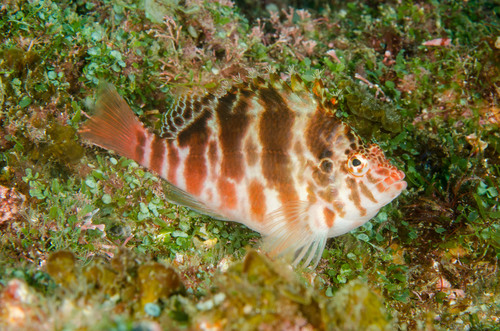
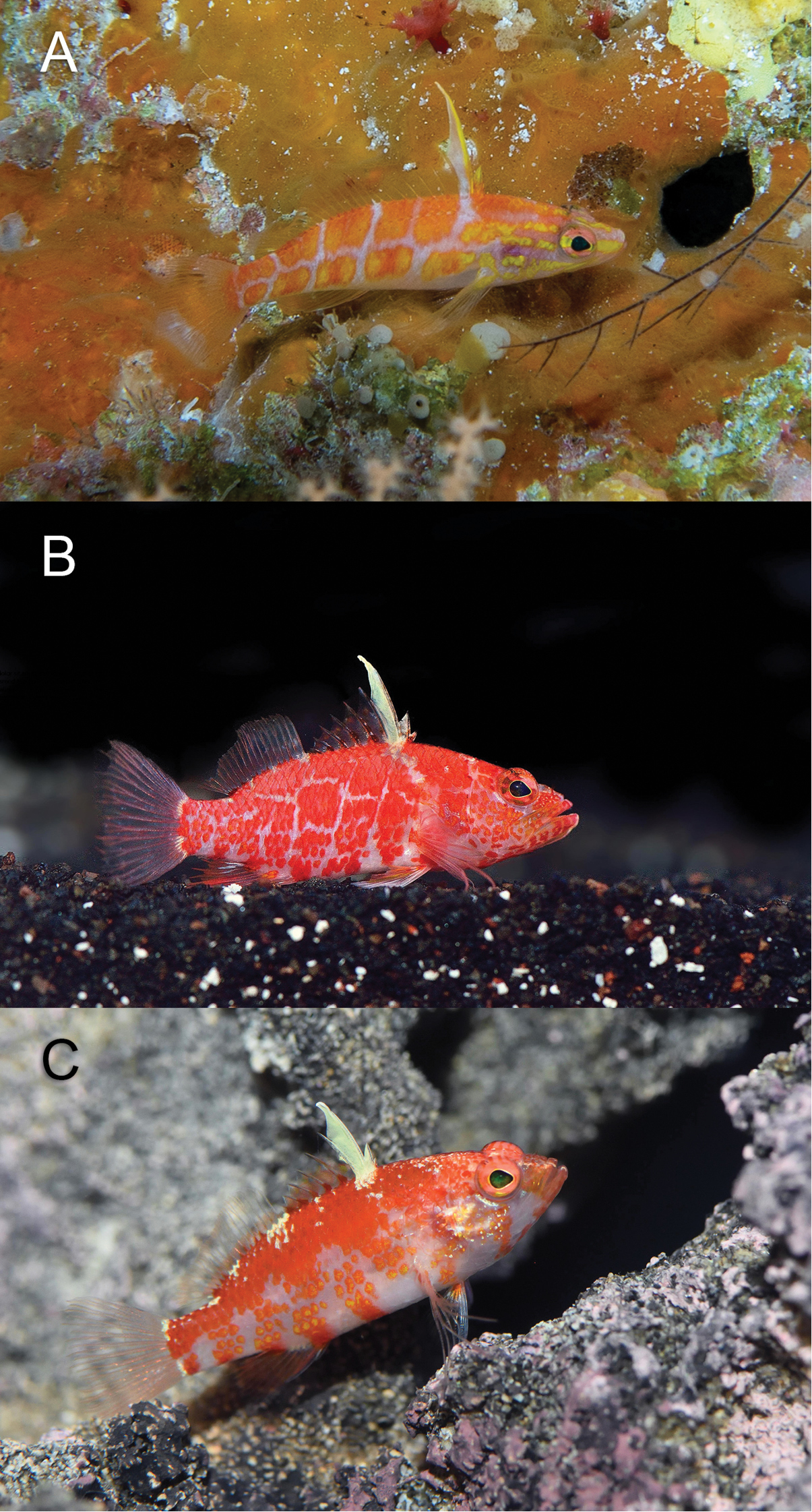
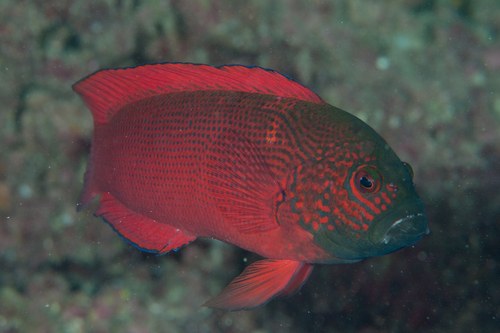
The Red Panther (Labracinus cyclophthalmus) is a striking marine fish that captivates aquarists with its vivid coloration and distinctive patterns. Native to the coral reefs of the Indo-Pacific region, this species showcases a brilliant combination of reds, oranges, and blues, making it a sought-after addition to marine aquariums. Its name derives from the resemblance of its coloration to that of a panther, providing a dramatic visual appeal in any aquatic setting.
In terms of natural history, the Red Panther primarily inhabits shallow waters, often found in coral-rich environments where it can seek shelter among the crevices and overhangs. This species thrives in these ecosystems, contributing to the biodiversity of coral reefs. Its diet consists mainly of small invertebrates and crustaceans, which it adeptly hunts using its agile swimming abilities and keen eyesight.
Behaviorally, the Red Panther is known to be somewhat territorial, particularly during breeding seasons. Males display vibrant colors and engage in elaborate courtship rituals to attract females. Socially, they can often be found in pairs or small groups, making them an interesting species to observe in both natural habitats and aquarium settings. Their dynamic swimming patterns and interactive behaviors add liveliness to any marine display.
As a reef-associated fish, the Red Panther plays a vital role in maintaining the health of its ecosystem. By preying on invertebrates, it helps regulate population dynamics within its habitat, showcasing the intricate balance of life within coral reefs. Understanding their natural behaviors and habitat preferences is essential for successful care and breeding in captivity.
In terms of natural history, the Red Panther primarily inhabits shallow waters, often found in coral-rich environments where it can seek shelter among the crevices and overhangs. This species thrives in these ecosystems, contributing to the biodiversity of coral reefs. Its diet consists mainly of small invertebrates and crustaceans, which it adeptly hunts using its agile swimming abilities and keen eyesight.
Behaviorally, the Red Panther is known to be somewhat territorial, particularly during breeding seasons. Males display vibrant colors and engage in elaborate courtship rituals to attract females. Socially, they can often be found in pairs or small groups, making them an interesting species to observe in both natural habitats and aquarium settings. Their dynamic swimming patterns and interactive behaviors add liveliness to any marine display.
As a reef-associated fish, the Red Panther plays a vital role in maintaining the health of its ecosystem. By preying on invertebrates, it helps regulate population dynamics within its habitat, showcasing the intricate balance of life within coral reefs. Understanding their natural behaviors and habitat preferences is essential for successful care and breeding in captivity.
For importers and retailers, ensuring optimal care for the Red Panther is crucial. Ideal water parameters include a temperature range of 24-28°C (75-82°F), salinity between 1.020-1.025 ppt, and a pH level of 8.1-8.4. Maintaining these conditions will promote health and vitality in this species. A minimum tank size of 200 liters is recommended to provide adequate swimming space and territory.
Feeding the Red Panther involves a diet rich in high-quality frozen or live foods such as brine shrimp, mysis shrimp, and small crustaceans. This carnivorous fish thrives on a varied diet to support its vibrant coloration and active lifestyle. Compatibility-wise, it is best kept with other semi-aggressive fish that can coexist in a similar environment, avoiding overly aggressive or timid species.
Acclimation should be done gradually, ideally over a period of several hours, to prevent shock. Quarantine new arrivals for at least two weeks to monitor for any signs of disease before introducing them into the main aquarium. Regular water changes and proper filtration are essential to maintain water quality and ensure the long-term health of the Red Panther.
Feeding the Red Panther involves a diet rich in high-quality frozen or live foods such as brine shrimp, mysis shrimp, and small crustaceans. This carnivorous fish thrives on a varied diet to support its vibrant coloration and active lifestyle. Compatibility-wise, it is best kept with other semi-aggressive fish that can coexist in a similar environment, avoiding overly aggressive or timid species.
Acclimation should be done gradually, ideally over a period of several hours, to prevent shock. Quarantine new arrivals for at least two weeks to monitor for any signs of disease before introducing them into the main aquarium. Regular water changes and proper filtration are essential to maintain water quality and ensure the long-term health of the Red Panther.
The Red Panther is suitable for shipping, but care must be taken to ensure proper temperature control during transit. Optimal packing density is one fish per 10-15 liters to minimize stress. Temperature should be maintained between 24-28°C. This species is not listed under CITES, simplifying export regulations.
Species Parameters
Max Adult Size
15.0 cm
Origin
Indo-Pacific
Diet
carnivore
Temp Min
24.0 °C
Temp Max
28.0 °C
Salinity Min
1.020
Salinity Max
1.025
pH Min
8.10
pH Max
8.40
Min Tank
200 L