
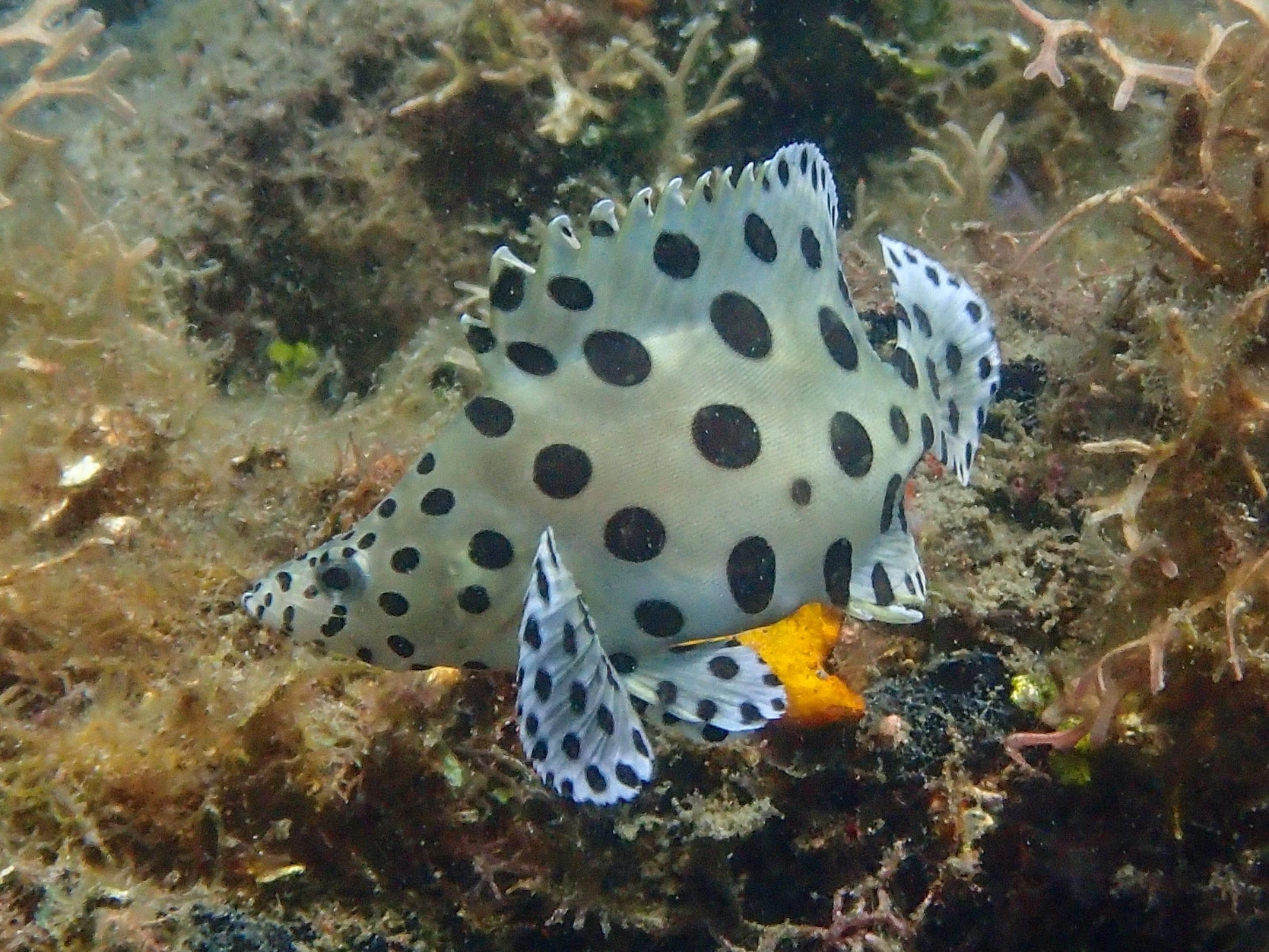
humpback grouper
chromileptes altivelis
In Stock
Common stock
Wild Caught
Moderate care
With Caution
SKU: ML-MF-0269
The humpback grouper is a vibrant marine fish known for its striking appearance and importance in reef ecosystems.
Pricing for Verified Importers
Log in to see wholesale prices and order.
Export Size
up to 90.0 cm
Origin
Indo-Pacific
Temperature
24.0–28.0°C
Min. Tank Size
500 L
Salinity
30.000–35.000 ppt
pH
8.10–8.40
Diet
carnivore
The humpback grouper (Chromileptes altivelis) is a captivating marine species native to the coral reefs of the Indo-Pacific region. Known for its distinctive coloration, this fish exhibits a mix of blue and yellow hues with a notable hump on its back, which contributes to its common name. Adult individuals can reach sizes of up to 90 cm in length, making them a prominent presence in their habitat. Their striking appearance and charismatic behavior make them a favorite among aquarium enthusiasts and divers alike.
In terms of natural history, the humpback grouper is primarily found in shallow reef environments, often residing in caves and crevices where it can take refuge from predators. They are generally solitary but may form small groups during certain times, particularly around spawning seasons. Their diet consists mainly of smaller fish and crustaceans, reflecting their carnivorous nature. As opportunistic feeders, they exhibit ambush behavior, lying in wait for unsuspecting prey to pass by.
The social structure of the humpback grouper is fascinating, as they can exhibit territorial behavior, especially males during breeding periods. Their reproductive strategy involves spawning in specific locations where the males can attract females through displays of color and swimming patterns. This makes them an essential species for maintaining the biodiversity of reef ecosystems, as they play a key role in controlling fish populations and contributing to the overall health of coral reefs.
The humpback grouper's habitat is under threat from overfishing and habitat degradation, making responsible sourcing vital for sustainable aquarium trade. Their striking appearance and ecological significance make them a valuable species for both conservation efforts and the aquarium industry, highlighting the importance of responsible aquaculture practices to ensure their continued survival in the wild.
In terms of natural history, the humpback grouper is primarily found in shallow reef environments, often residing in caves and crevices where it can take refuge from predators. They are generally solitary but may form small groups during certain times, particularly around spawning seasons. Their diet consists mainly of smaller fish and crustaceans, reflecting their carnivorous nature. As opportunistic feeders, they exhibit ambush behavior, lying in wait for unsuspecting prey to pass by.
The social structure of the humpback grouper is fascinating, as they can exhibit territorial behavior, especially males during breeding periods. Their reproductive strategy involves spawning in specific locations where the males can attract females through displays of color and swimming patterns. This makes them an essential species for maintaining the biodiversity of reef ecosystems, as they play a key role in controlling fish populations and contributing to the overall health of coral reefs.
The humpback grouper's habitat is under threat from overfishing and habitat degradation, making responsible sourcing vital for sustainable aquarium trade. Their striking appearance and ecological significance make them a valuable species for both conservation efforts and the aquarium industry, highlighting the importance of responsible aquaculture practices to ensure their continued survival in the wild.
When importing humpback grouper, it's essential to maintain specific water parameters to ensure their health and well-being. Ideal water temperature should range between 24°C and 28°C, with a salinity level of 30-35 ppt. pH levels should be maintained between 8.1 and 8.4. To create a suitable environment, a minimum tank size of 500 liters is recommended, as these fish require ample space for swimming and exploring.
Feeding the humpback grouper should consist of a varied diet rich in protein, including high-quality pellets, live or frozen foods such as shrimp, fish, and mollusks. It is crucial to avoid overfeeding, as this can lead to health issues. Compatibility with other species should be approached with caution; while they can coexist with other large fish, they may display aggressive behavior towards smaller species or during feeding times.
Acclimation should be done gradually to reduce stress. Utilize a drip acclimation method over several hours, monitoring water parameters closely. Quarantine new arrivals for at least two weeks to prevent potential diseases from affecting your main display tank. Regular health checks and maintaining clean water conditions will help promote a long and healthy life for these stunning marine fish.
Feeding the humpback grouper should consist of a varied diet rich in protein, including high-quality pellets, live or frozen foods such as shrimp, fish, and mollusks. It is crucial to avoid overfeeding, as this can lead to health issues. Compatibility with other species should be approached with caution; while they can coexist with other large fish, they may display aggressive behavior towards smaller species or during feeding times.
Acclimation should be done gradually to reduce stress. Utilize a drip acclimation method over several hours, monitoring water parameters closely. Quarantine new arrivals for at least two weeks to prevent potential diseases from affecting your main display tank. Regular health checks and maintaining clean water conditions will help promote a long and healthy life for these stunning marine fish.
Humpback grouper are suitable for shipping, but care must be taken to ensure their safety during transit. Packing density should not exceed 1-2 fish per 20 liters of water to minimize stress. They are sensitive to temperature fluctuations, so maintaining a stable temperature between 24°C and 28°C is crucial during shipping. As of now, they are not listed under CITES, but compliance with local regulations is essential to ensure sustainable practices.
Species Parameters
Max Adult Size
90.0 cm
Origin
Indo-Pacific
Diet
carnivore
Temp Min
24.0 °C
Temp Max
28.0 °C
Salinity Min
30.000
Salinity Max
35.000
pH Min
8.10
pH Max
8.40
Min Tank
500 L
More from this Category
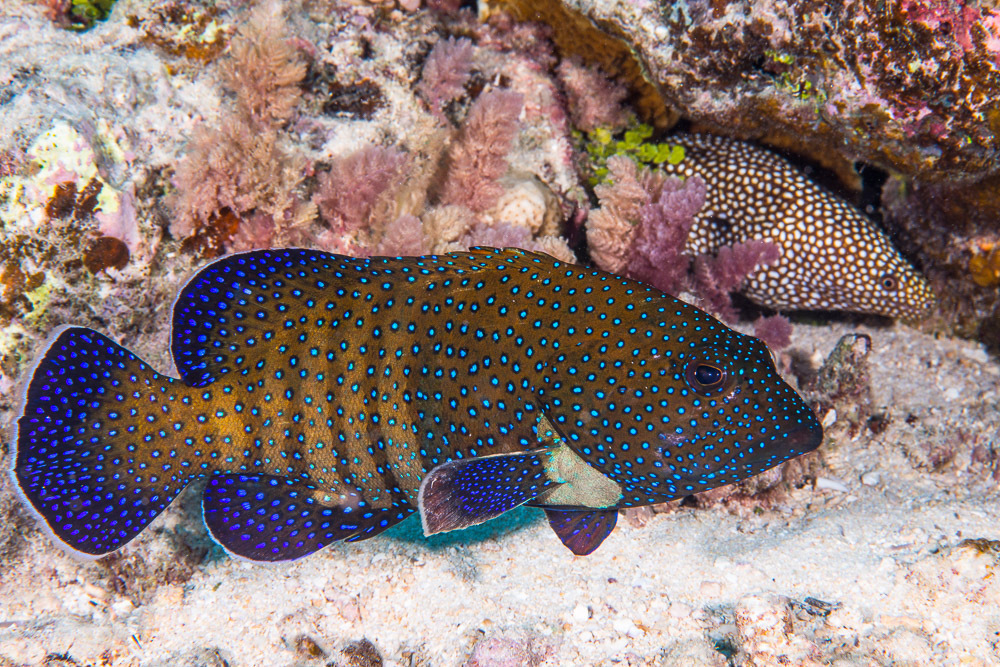
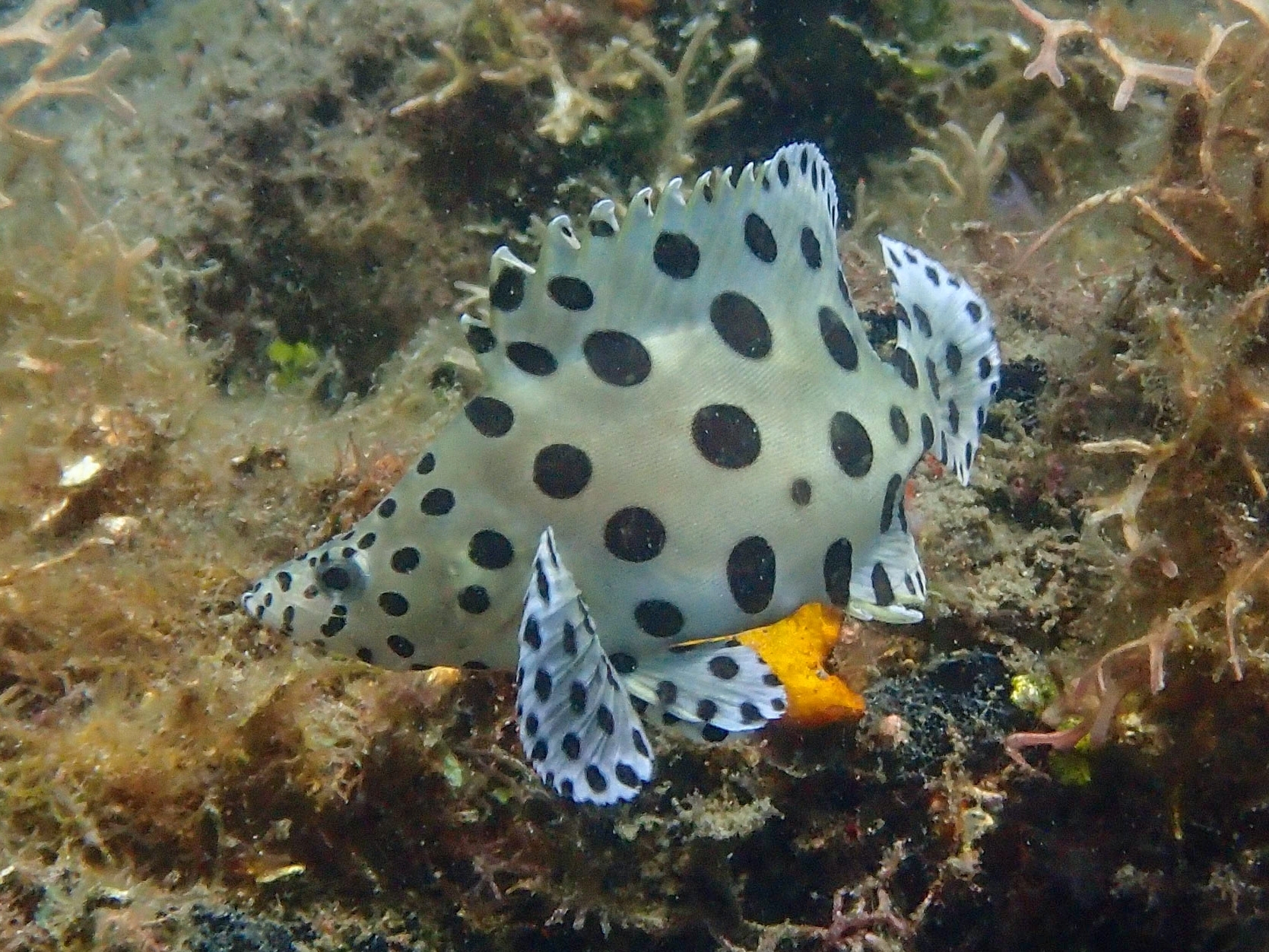
Photo credits
Photo 1
Chromileptes altivelis reference photograph; not offered stock, guaranteed sale size, sex, collection locality or colour development. Existing iNaturalist source rendition unchanged; no local edits.
Photo: Dan Schofield · Chromileptes altivelis photograph 53546257 · CC BY 4.0