Eschmeyer's Scorpionfish
rhinopias ecsemeryii
In Stock
Common stock
Wild Caught
Moderate care
With Caution
SKU: ML-MF-0294
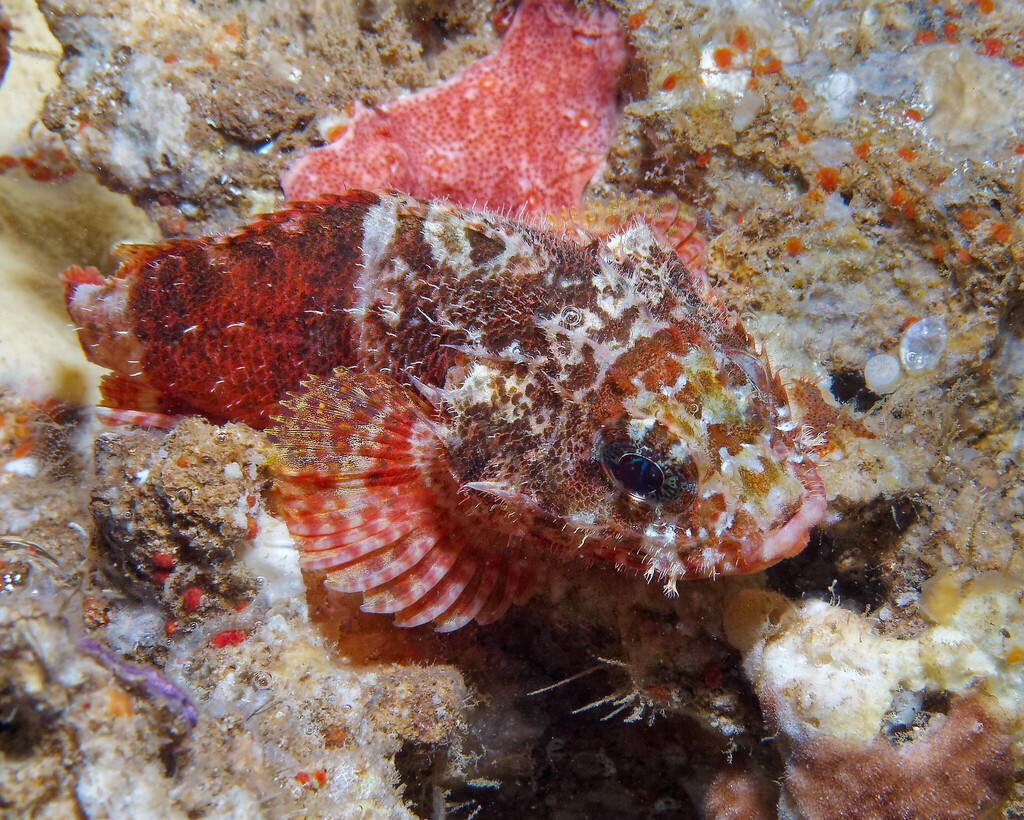
Eschmeyer's Scorpionfish is a stunning marine species known for its unique coloration and camouflage capabilities.
Pricing for Verified Importers
Log in to see wholesale prices and order.
Export Size
up to 30.0 cm
Origin
Coral Triangle
Temperature
24.0–28.0°C
Min. Tank Size
200 L
Salinity
1.020–1.025 ppt
pH
8.10–8.40
Diet
carnivore
Eschmeyer's Scorpionfish (Rhinopias ecsemeryii) is a captivating marine fish that belongs to the Scorpaenidae family. This species is renowned for its extraordinary ability to blend seamlessly into its surroundings, utilizing a combination of vibrant colors and intricate patterns to evade predators and ambush prey. Typically found in the shallow waters of coral reefs, it inhabits sandy or rubble substrates where it can easily conceal itself among the rocks and corals.
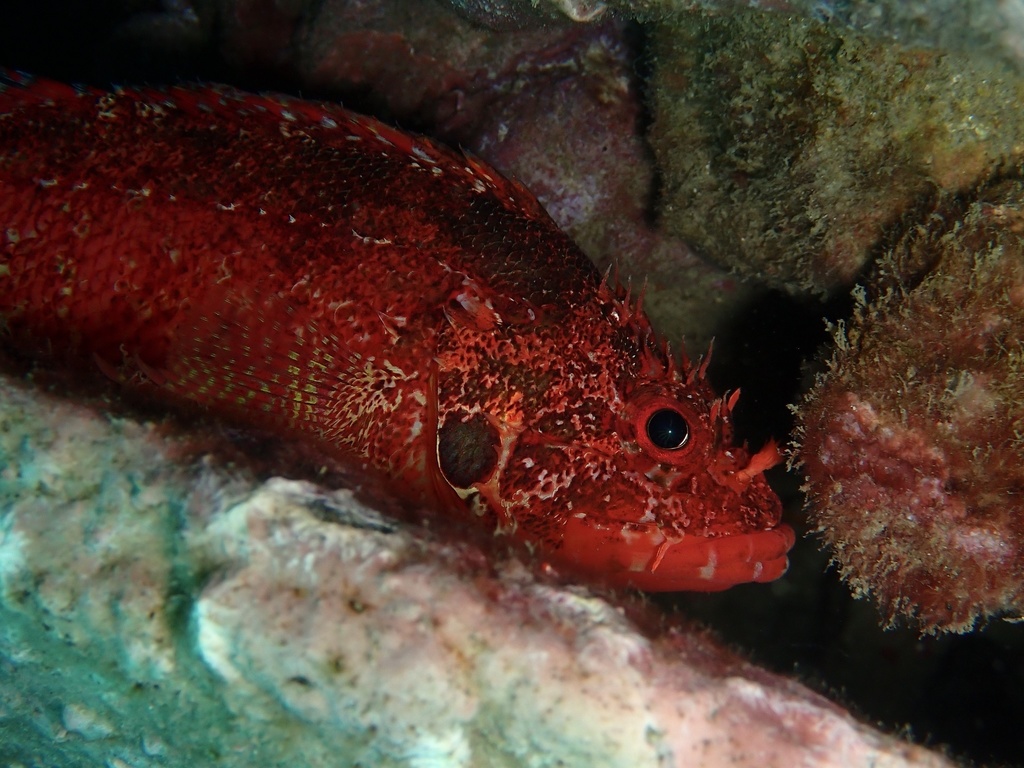
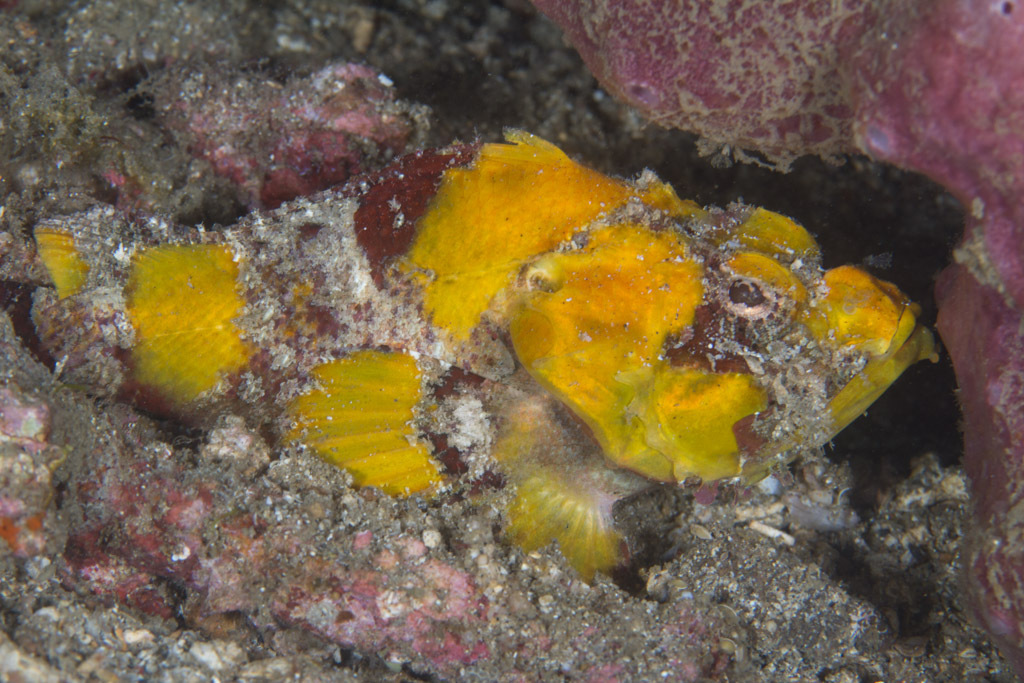
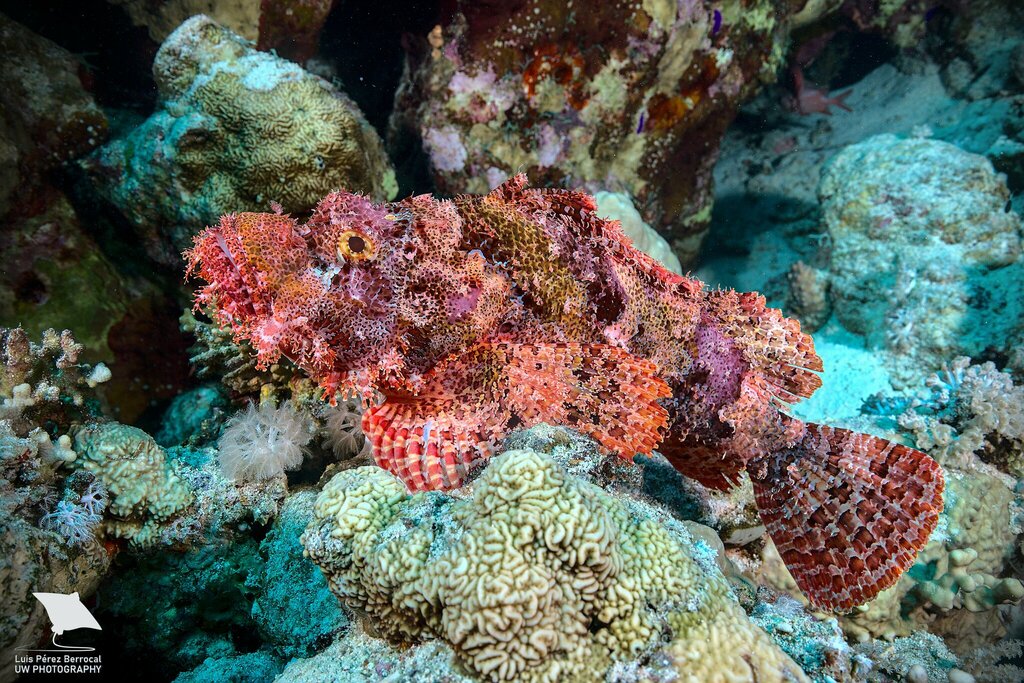
In terms of appearance, this scorpionfish exhibits a remarkable palette of red, pink, and orange hues, often interspersed with white and yellow markings. Its body is adorned with fleshy appendages and frills that enhance its camouflage. Adult Eschmeyer's Scorpionfish can grow to a maximum size of approximately 30 cm, making them a notable presence in the aquarium trade. Their unique morphology not only serves a functional purpose but also adds to their aesthetic appeal as captivating display animals.
Behaviorally, Eschmeyer's Scorpionfish are generally sedentary, preferring to remain motionless until prey comes within striking distance. They primarily feed on small fish and crustaceans, using their excellent camouflage to ambush unsuspecting prey. This species is known for its venomous spines, which serve as a defense mechanism against potential threats. As a result, careful handling is necessary to avoid painful stings when interacting with this fish.
Eschmeyer's Scorpionfish is native to the Coral Triangle and other Indo-Pacific regions, thriving in warm, shallow waters. The combination of its striking appearance and unique behavior makes it a highly sought-after species for aquarium enthusiasts and collectors alike, although proper care and understanding of its habitat needs are essential for successful keeping in captivity.
In terms of appearance, this scorpionfish exhibits a remarkable palette of red, pink, and orange hues, often interspersed with white and yellow markings. Its body is adorned with fleshy appendages and frills that enhance its camouflage. Adult Eschmeyer's Scorpionfish can grow to a maximum size of approximately 30 cm, making them a notable presence in the aquarium trade. Their unique morphology not only serves a functional purpose but also adds to their aesthetic appeal as captivating display animals.
Behaviorally, Eschmeyer's Scorpionfish are generally sedentary, preferring to remain motionless until prey comes within striking distance. They primarily feed on small fish and crustaceans, using their excellent camouflage to ambush unsuspecting prey. This species is known for its venomous spines, which serve as a defense mechanism against potential threats. As a result, careful handling is necessary to avoid painful stings when interacting with this fish.
Eschmeyer's Scorpionfish is native to the Coral Triangle and other Indo-Pacific regions, thriving in warm, shallow waters. The combination of its striking appearance and unique behavior makes it a highly sought-after species for aquarium enthusiasts and collectors alike, although proper care and understanding of its habitat needs are essential for successful keeping in captivity.
When caring for Eschmeyer's Scorpionfish, it is crucial to replicate their natural habitat as closely as possible. The ideal water parameters include a temperature range of 24-28°C, a pH level of 8.1-8.4, and a salinity of 1.020-1.025 ppt. A minimum tank size of 200 liters is recommended to provide adequate space for swimming and hiding.
Feeding should consist of a varied diet of live or frozen foods, including small fish and crustaceans, to mimic their natural predatory habits. It is important to feed them multiple times a week to ensure proper nutrition. Compatibility-wise, they can be territorial, so they are best kept with similarly-sized, non-aggressive species in a well-structured aquarium that offers plenty of hiding spots.
Acclimation should be done slowly to prevent shock, ideally over several hours using the drip acclimation method. Quarantine is highly recommended for new arrivals to monitor for any signs of disease or stress before introducing them to a display tank. Regular tank maintenance and monitoring are essential to maintain the health of Eschmeyer's Scorpionfish in captivity.
Feeding should consist of a varied diet of live or frozen foods, including small fish and crustaceans, to mimic their natural predatory habits. It is important to feed them multiple times a week to ensure proper nutrition. Compatibility-wise, they can be territorial, so they are best kept with similarly-sized, non-aggressive species in a well-structured aquarium that offers plenty of hiding spots.
Acclimation should be done slowly to prevent shock, ideally over several hours using the drip acclimation method. Quarantine is highly recommended for new arrivals to monitor for any signs of disease or stress before introducing them to a display tank. Regular tank maintenance and monitoring are essential to maintain the health of Eschmeyer's Scorpionfish in captivity.
Eschmeyer's Scorpionfish is suitable for shipping, but special care must be taken to ensure their safety during transit. They should be packed with a density of no more than 1 fish per 10 liters to minimize stress. Temperature sensitivity is an important consideration, and maintaining a stable temperature between 24-28°C during transport is essential. This species is not currently listed under CITES, but it is important to stay informed about regulations regarding the export of marine species.
Species Parameters
Max Adult Size
30.0 cm
Origin
Coral Triangle
Diet
carnivore
Temp Min
24.0 °C
Temp Max
28.0 °C
Salinity Min
1.020
Salinity Max
1.025
pH Min
8.10
pH Max
8.40
Min Tank
200 L