Small Scale Scorpionfish
Scorpaenopsis oxycephala
In Stock
Common stock
Wild Caught
Moderate care
With Caution
SKU: CB-MF-0314
The Small Scale Scorpionfish is a stunning yet venomous marine marvel, perfect for specialized aquariums.
Pricing for Verified Importers
Log in to see wholesale prices and order.
Export Size
up to 30.0 cm
Origin
Indo-Pacific
Temperature
24.0–28.0°C
Min. Tank Size
200 L
Salinity
1.020–1.025 ppt
pH
8.10–8.40
Diet
carnivore
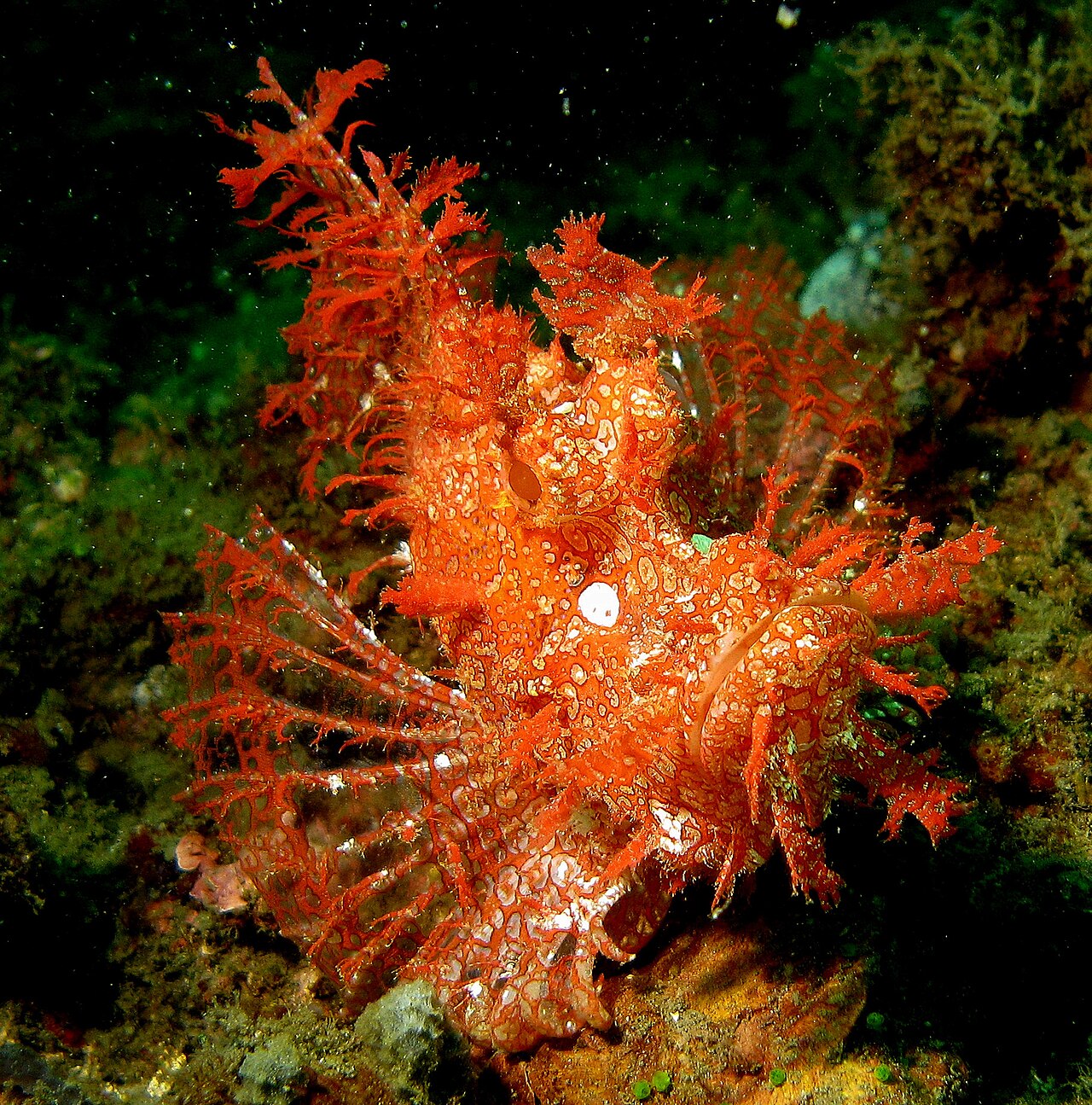
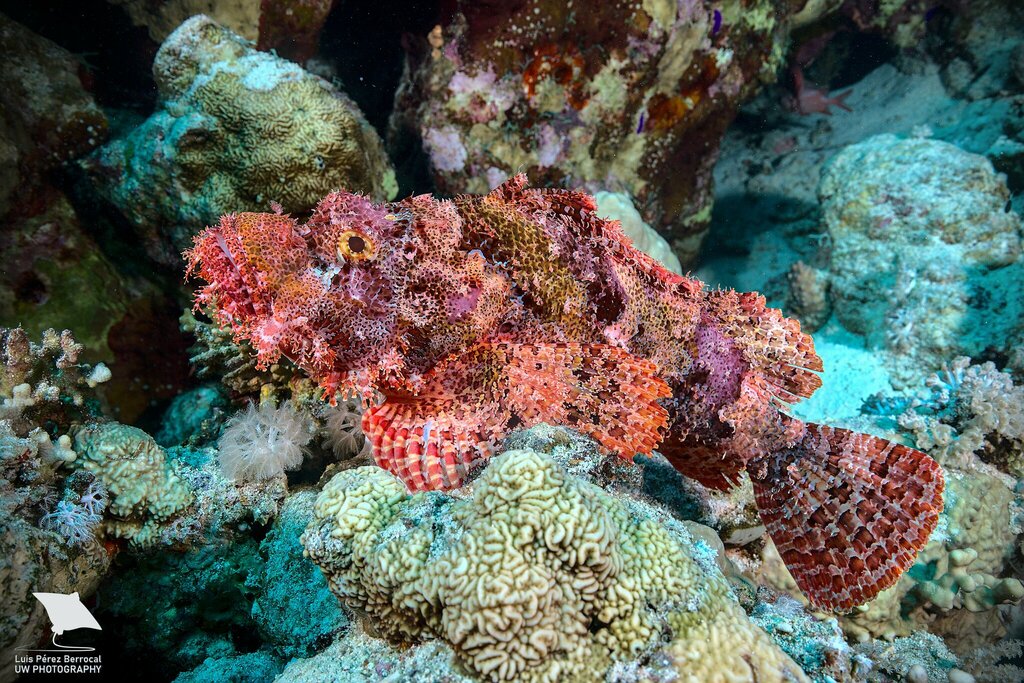
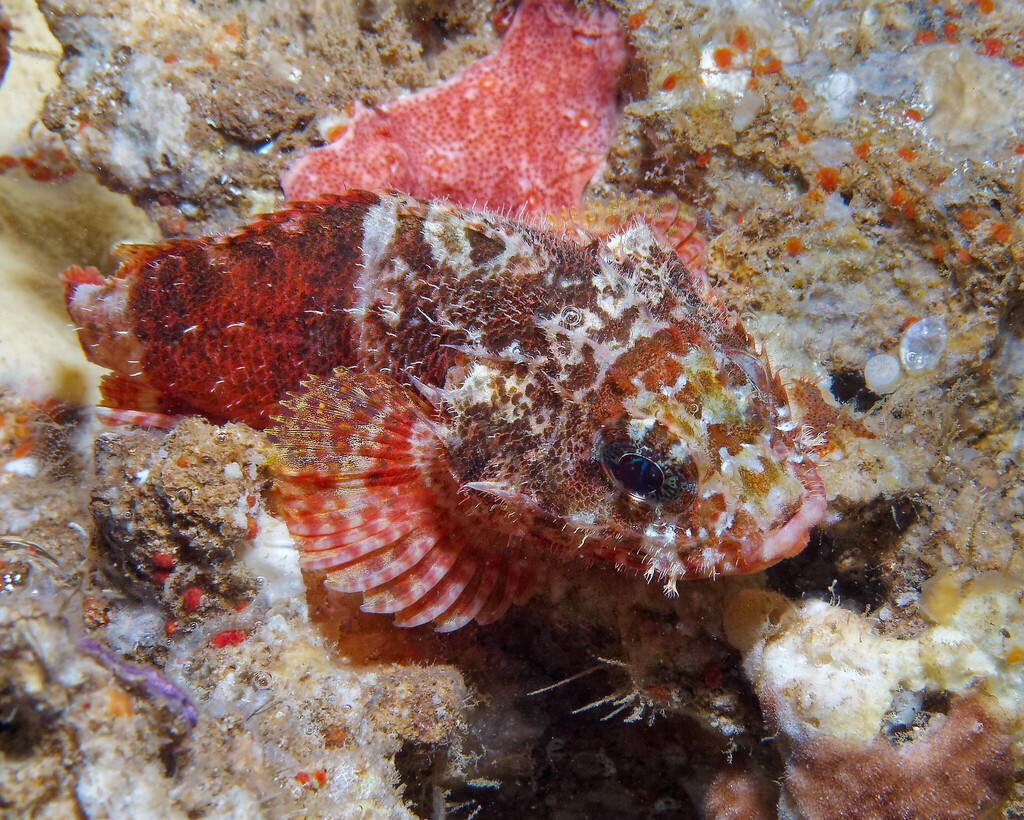
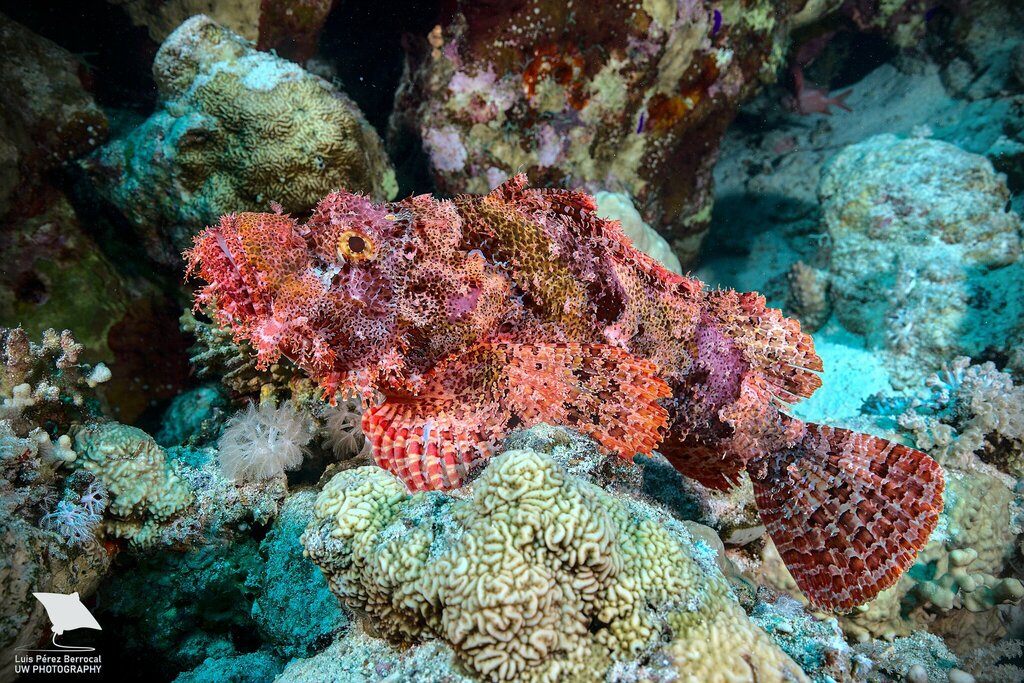
Scorpaenopsis oxycephala, commonly known as the Small Scale Scorpionfish, is a remarkable species of venomous marine fish belonging to the Scorpaenidae family. This species is recognized for its intricate, camouflaged appearance, which allows it to blend seamlessly into the rocky and coral-rich environments of the Indian and Pacific Oceans. With its unique tassels and spiny fins, it not only serves as a visual delight but also a fascinating subject for aquarists who appreciate complex marine life.
In terms of behavior, the Small Scale Scorpionfish is primarily a solitary ambush predator. It relies on its exceptional camouflage to ambush prey, which mainly consists of smaller fish and crustaceans. This species exhibits a sedentary lifestyle, often remaining motionless for extended periods while waiting for unsuspecting prey to come within striking distance. Its venomous spines serve as both a defense mechanism against potential predators and a means to subdue prey.
Small Scale Scorpionfish inhabit a variety of environments, including coral reefs, rocky substrates, and sandy bottoms, typically at depths ranging from 1 to 50 meters. They prefer areas with ample hiding spots to facilitate their ambush hunting strategy. The species is known for its wide distribution across the Indo-Pacific region, making it a relatively accessible choice for marine aquarists looking to enhance their collections with a unique and exotic specimen.
Due to its intriguing characteristics and natural behavior, the Small Scale Scorpionfish has become increasingly popular in the aquarium trade. However, potential owners should be aware of its venomous nature and take appropriate precautions when handling or maintaining this species in captivity.
In terms of behavior, the Small Scale Scorpionfish is primarily a solitary ambush predator. It relies on its exceptional camouflage to ambush prey, which mainly consists of smaller fish and crustaceans. This species exhibits a sedentary lifestyle, often remaining motionless for extended periods while waiting for unsuspecting prey to come within striking distance. Its venomous spines serve as both a defense mechanism against potential predators and a means to subdue prey.
Small Scale Scorpionfish inhabit a variety of environments, including coral reefs, rocky substrates, and sandy bottoms, typically at depths ranging from 1 to 50 meters. They prefer areas with ample hiding spots to facilitate their ambush hunting strategy. The species is known for its wide distribution across the Indo-Pacific region, making it a relatively accessible choice for marine aquarists looking to enhance their collections with a unique and exotic specimen.
Due to its intriguing characteristics and natural behavior, the Small Scale Scorpionfish has become increasingly popular in the aquarium trade. However, potential owners should be aware of its venomous nature and take appropriate precautions when handling or maintaining this species in captivity.
To successfully care for Scorpaenopsis oxycephala, maintain water parameters within specific ranges: a temperature of 24-28°C, salinity of 1.020-1.025 ppt, and a pH level between 8.1 and 8.4. A minimum tank size of 200 liters is recommended to provide ample space for this species to establish its territory and feel secure.
Diet-wise, the Small Scale Scorpionfish is a carnivore, thriving on a diet of live food such as feeder fish, shrimp, and other meaty offerings. It is crucial to provide varied options to ensure optimal health and vitality. Compatibility with other species should be approached with caution; ideally, it should be housed with non-aggressive fish that are too large to be considered prey.
Acclimation is vital for the successful integration of this species into a new environment. It is recommended to use the drip acclimation method over several hours to minimize stress. Additionally, quarantine new specimens for at least two weeks to prevent potential disease transmission to existing tank inhabitants. Regular monitoring and maintenance of water quality will also support the health and longevity of this captivating fish.
Diet-wise, the Small Scale Scorpionfish is a carnivore, thriving on a diet of live food such as feeder fish, shrimp, and other meaty offerings. It is crucial to provide varied options to ensure optimal health and vitality. Compatibility with other species should be approached with caution; ideally, it should be housed with non-aggressive fish that are too large to be considered prey.
Acclimation is vital for the successful integration of this species into a new environment. It is recommended to use the drip acclimation method over several hours to minimize stress. Additionally, quarantine new specimens for at least two weeks to prevent potential disease transmission to existing tank inhabitants. Regular monitoring and maintenance of water quality will also support the health and longevity of this captivating fish.
The Small Scale Scorpionfish is suitable for shipping, provided that appropriate measures are taken to ensure its safety during transit. Packing density should be moderate to reduce stress, and maintaining a consistent temperature between 24-26°C is crucial. As a CITES-listed species, it is important to adhere to all export regulations and ensure compliance with local laws during shipping.
Species Parameters
Max Adult Size
30.0 cm
Origin
Indo-Pacific
Diet
carnivore
Temp Min
24.0 °C
Temp Max
28.0 °C
Salinity Min
1.020
Salinity Max
1.025
pH Min
8.10
pH Max
8.40
Min Tank
200 L