Spotted scorpionfish
scorpaena plumieri
In Stock
Common stock
Wild Caught
Moderate care
With Caution
SKU: ML-MF-0327
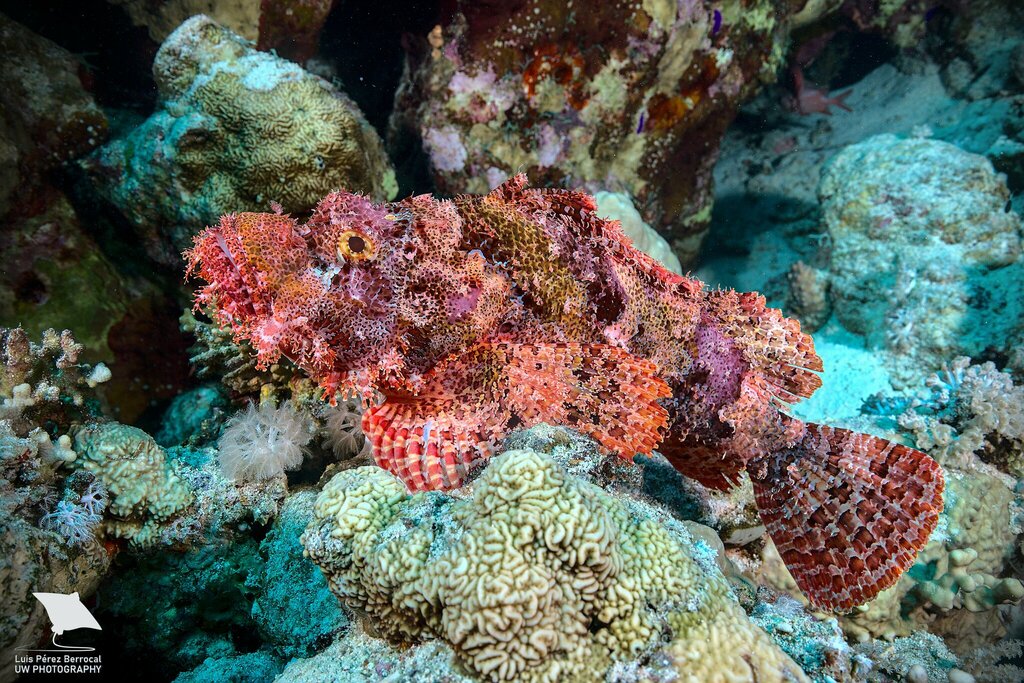
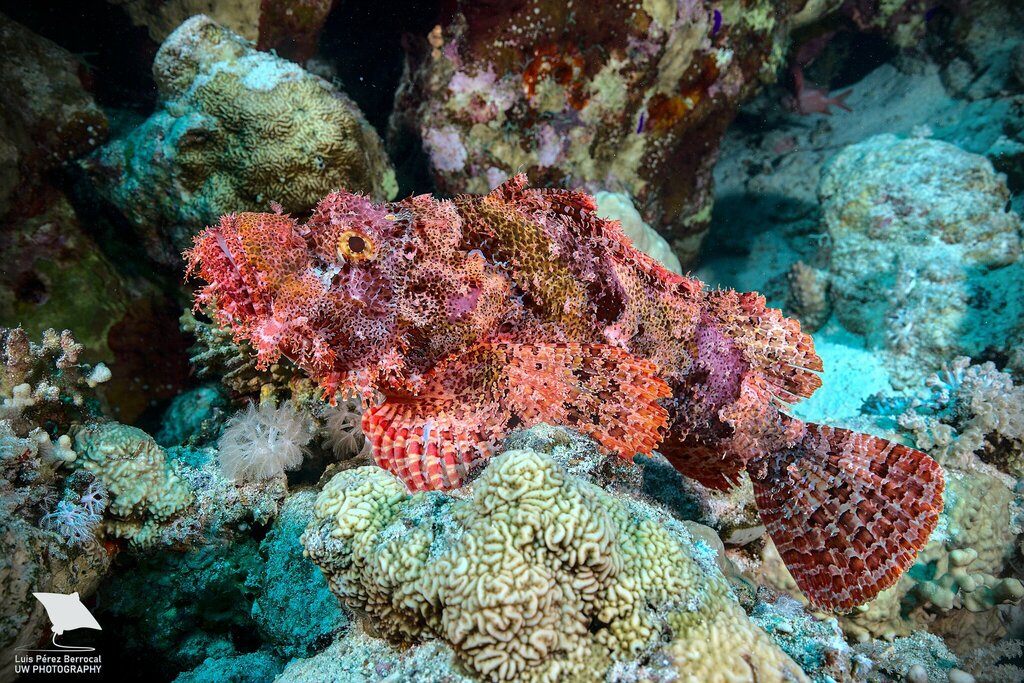
The Spotted Scorpionfish is a stunning marine predator known for its camouflage and venomous spines.
Pricing for Verified Importers
Log in to see wholesale prices and order.
Export Size
up to 30.0 cm
Origin
Indo-Pacific
Temperature
24.0–28.0°C
Min. Tank Size
200 L
Salinity
30.000–35.000 ppt
pH
8.10–8.40
Diet
carnivore
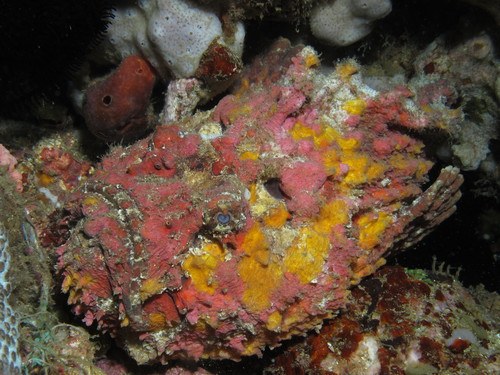
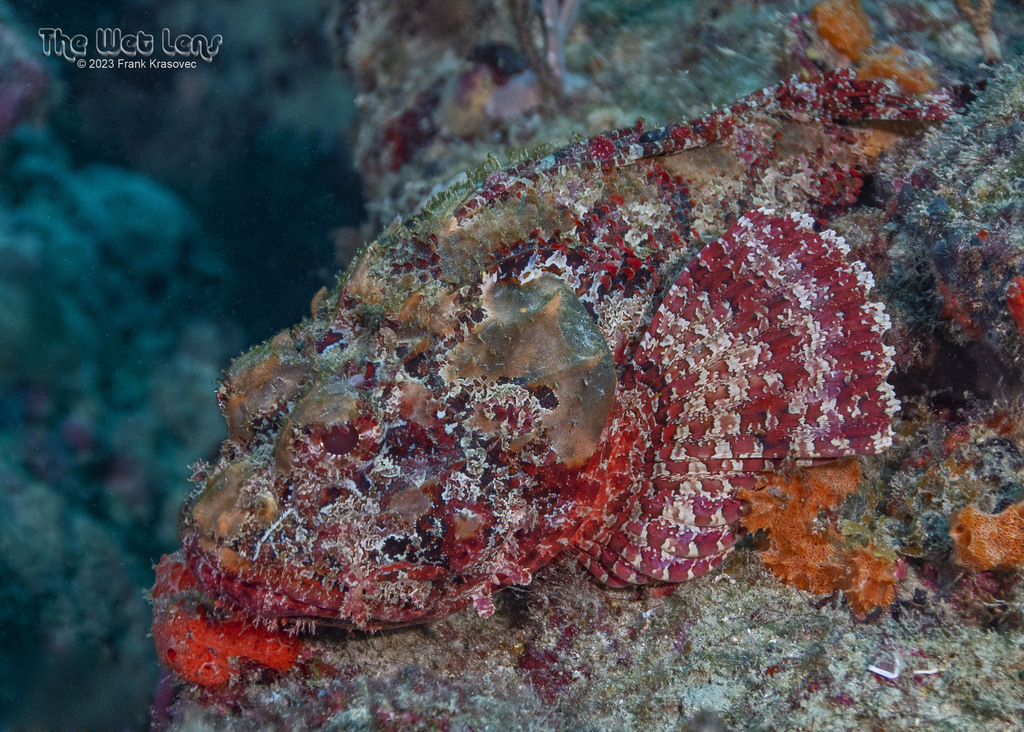
The Spotted Scorpionfish (Scorpaena plumieri) is a fascinating marine species found primarily in the tropical waters of the Western Atlantic, including the Caribbean Sea and the Gulf of Mexico. This fish is renowned for its exceptional ability to blend seamlessly into its surroundings, thanks to its mottled coloration that mimics the rocky and coral-covered seafloor. The Spotted Scorpionfish is a master of ambush hunting, often remaining motionless for extended periods while waiting for unsuspecting prey to swim by.
Physically, the Spotted Scorpionfish can reach lengths of up to 30 cm (12 inches) and is characterized by its broad, flattened head and large, spiny fins. Its body is adorned with various shades of brown, yellow, and orange, making it an exquisite addition to any marine environment. The species possesses venomous spines along its dorsal fin, which serve as a defense mechanism against predators and can deliver a painful sting to humans.
In terms of behavior, the Spotted Scorpionfish is primarily solitary and territorial. It is most active during the day but may also hunt during twilight hours. This species predominantly feeds on small fish and crustaceans, using its exceptional camouflage to ambush prey. The Spotted Scorpionfish prefers rocky substrates, coral reefs, and seagrass beds, where it can easily hide and hunt.
Their habitat often overlaps with that of other marine species, making it a vital part of the ecosystem. The Spotted Scorpionfish contributes to the balance of marine life by controlling the populations of smaller fish and invertebrates within its environment.
Physically, the Spotted Scorpionfish can reach lengths of up to 30 cm (12 inches) and is characterized by its broad, flattened head and large, spiny fins. Its body is adorned with various shades of brown, yellow, and orange, making it an exquisite addition to any marine environment. The species possesses venomous spines along its dorsal fin, which serve as a defense mechanism against predators and can deliver a painful sting to humans.
In terms of behavior, the Spotted Scorpionfish is primarily solitary and territorial. It is most active during the day but may also hunt during twilight hours. This species predominantly feeds on small fish and crustaceans, using its exceptional camouflage to ambush prey. The Spotted Scorpionfish prefers rocky substrates, coral reefs, and seagrass beds, where it can easily hide and hunt.
Their habitat often overlaps with that of other marine species, making it a vital part of the ecosystem. The Spotted Scorpionfish contributes to the balance of marine life by controlling the populations of smaller fish and invertebrates within its environment.
When caring for the Spotted Scorpionfish in a retail or aquarium setting, it is essential to replicate its natural habitat as closely as possible. The ideal water temperature ranges from 24°C to 28°C (75°F to 82°F), with a salinity level of 30-35 ppt. Maintaining a pH level between 8.1 and 8.4 is crucial for their health. A minimum tank size of 200 liters is recommended to provide ample space for swimming and hiding.
Feeding should consist of a diet rich in meaty foods; live or frozen shrimp, small fish, and other marine protein sources are ideal. It is important to feed them a varied diet to ensure they receive all necessary nutrients. Compatibility can be challenging, as Scorpaena plumieri can be territorial and aggressive towards smaller fish. Therefore, it is best to house them with larger, robust species that can tolerate their predatory nature.
Acclimation should be done slowly to minimize stress; floating the sealed bag in the tank for about 30 minutes before releasing the fish is recommended. Quarantine new arrivals for at least two weeks to monitor for diseases and parasites, ensuring a healthy introduction into the main display tank.
Feeding should consist of a diet rich in meaty foods; live or frozen shrimp, small fish, and other marine protein sources are ideal. It is important to feed them a varied diet to ensure they receive all necessary nutrients. Compatibility can be challenging, as Scorpaena plumieri can be territorial and aggressive towards smaller fish. Therefore, it is best to house them with larger, robust species that can tolerate their predatory nature.
Acclimation should be done slowly to minimize stress; floating the sealed bag in the tank for about 30 minutes before releasing the fish is recommended. Quarantine new arrivals for at least two weeks to monitor for diseases and parasites, ensuring a healthy introduction into the main display tank.
The Spotted Scorpionfish is suitable for shipping but requires careful handling due to its venomous spines. Packing density should be low to avoid stress during transport, and temperatures should be maintained between 24°C and 28°C. This species is not listed under CITES, making it easier for importers to manage legal requirements.
Species Parameters
Max Adult Size
30.0 cm
Origin
Indo-Pacific
Diet
carnivore
Temp Min
24.0 °C
Temp Max
28.0 °C
Salinity Min
30.000
Salinity Max
35.000
pH Min
8.10
pH Max
8.40
Min Tank
200 L