Kamohara's blenny
meiacanthus kamoharai
In Stock
Common stock
Wild Caught
Moderate care
With Caution
SKU: ML-MF-0121
Discover the vibrant Kamohara's blenny, a unique marine fish ideal for reef aquariums.
Pricing for Verified Importers
Log in to see wholesale prices and order.
Export Size
up to 10.0 cm
Origin
Indo-Pacific
Temperature
24.0–28.0°C
Min. Tank Size
100 L
Salinity
1.020–1.025 ppt
pH
8.10–8.40
Diet
omnivore
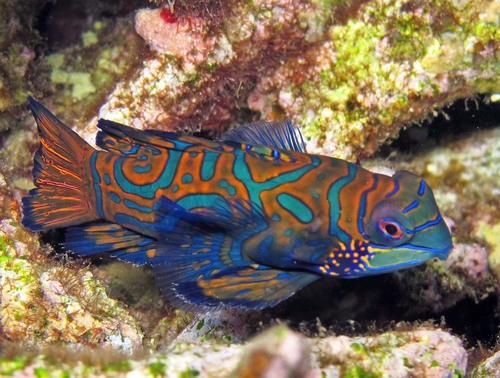
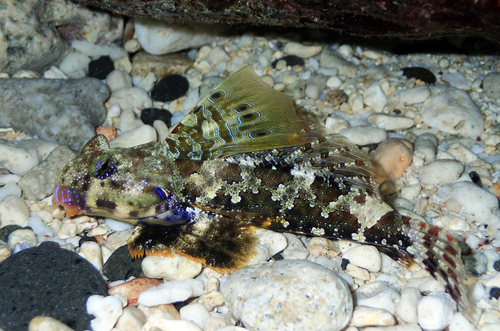
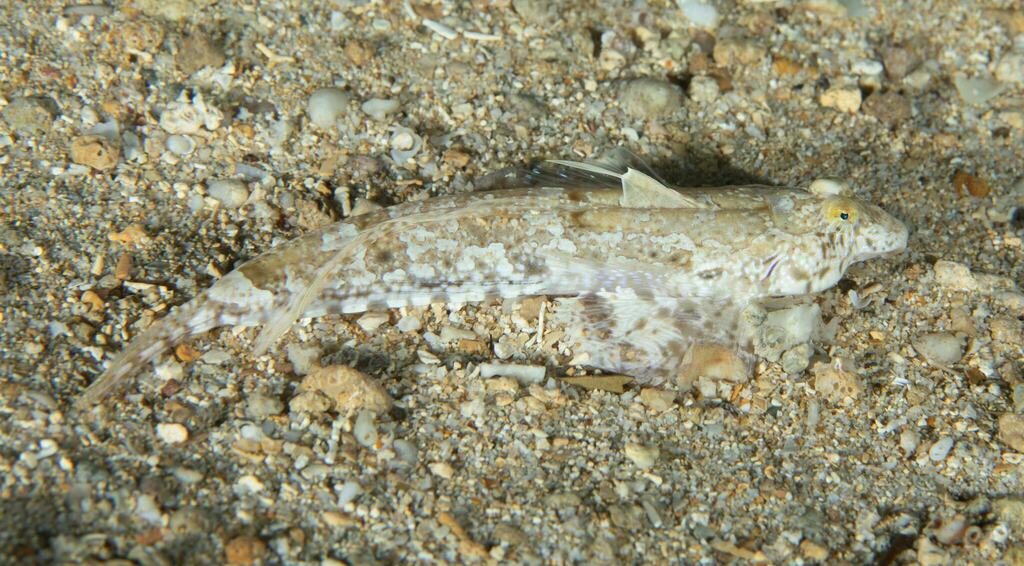
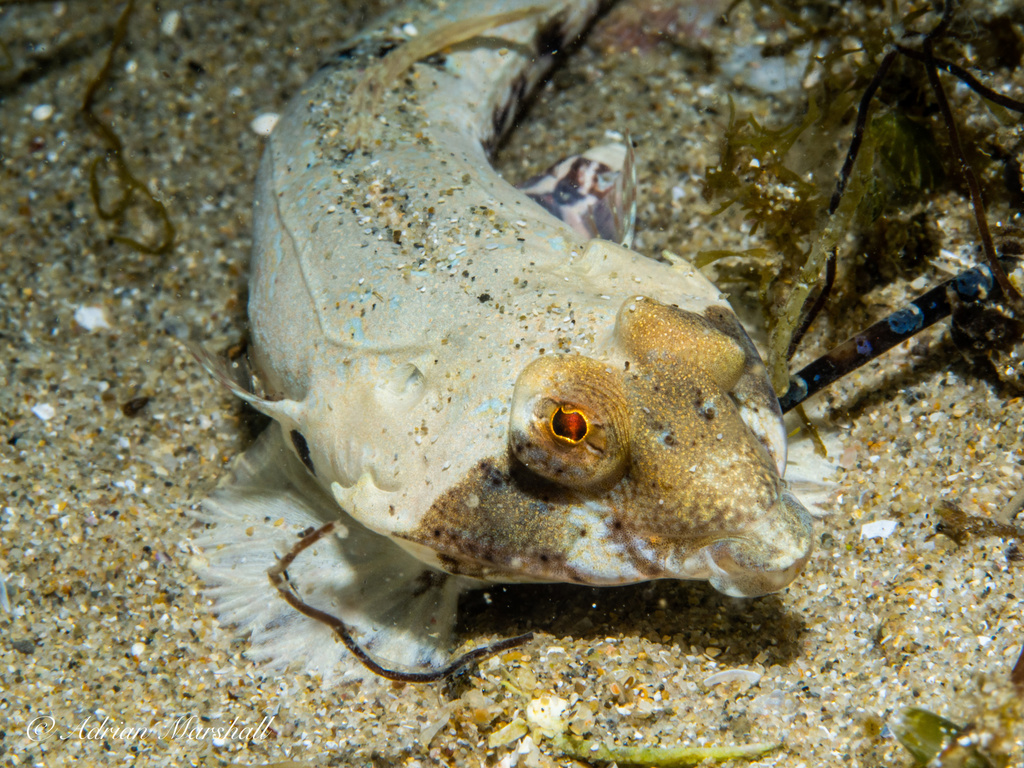
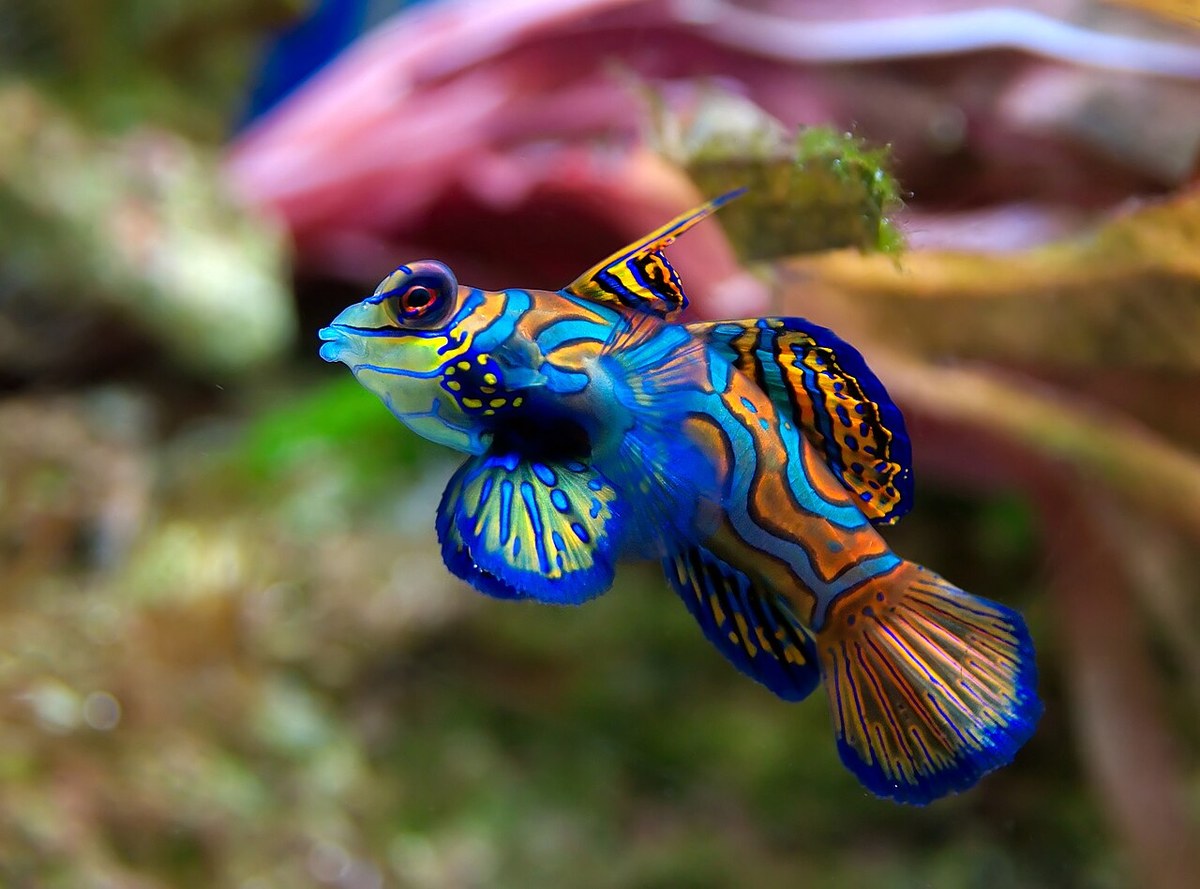
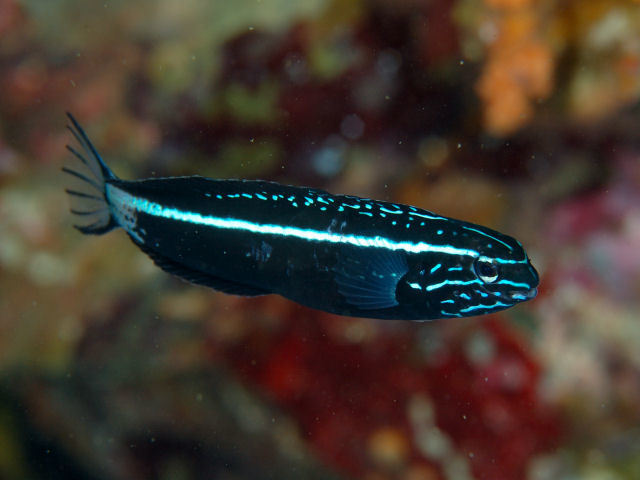
Kamohara's blenny (Meiacanthus kamoharai) is a striking marine fish native to the coral reefs of the Indo-Pacific region. Known for its vibrant coloration and distinctive body shape, this blenny exhibits a combination of bright yellows and blues, making it a captivating addition to any aquarium. Its elongated body, large eyes, and small mouth are characteristic features that help it adapt to its environment. The Kamohara's blenny is particularly well-known for its ability to thrive in complex reef habitats, often found among rocky crevices and coral structures.
In terms of behavior, Kamohara's blenny is a diurnal species, actively foraging during the day. It exhibits territorial behavior, often claiming small areas of the reef as its own. This species is also known for its unique social structures, often forming small groups around feeding grounds. The blenny feeds primarily on small invertebrates and algae, using its specialized dentition to graze on biofilm and other organic materials found on the reef.
Kamohara's blenny is typically found in shallow waters, at depths of up to 20 meters. It prefers environments with abundant coral cover, which provides both food and shelter from predators. The species has adapted well to living in dynamic reef ecosystems where it plays a crucial role in maintaining the balance of the marine environment. Its presence is indicative of a healthy reef system, making it an important species for conservation.
As a sought-after species in the aquarium trade, Kamohara's blenny adds both beauty and ecological significance to marine tanks. Its unique adaptations and vibrant colors make it a favorite among aquarists and collectors alike, highlighting the importance of sustainable practices in the export of marine life.
In terms of behavior, Kamohara's blenny is a diurnal species, actively foraging during the day. It exhibits territorial behavior, often claiming small areas of the reef as its own. This species is also known for its unique social structures, often forming small groups around feeding grounds. The blenny feeds primarily on small invertebrates and algae, using its specialized dentition to graze on biofilm and other organic materials found on the reef.
Kamohara's blenny is typically found in shallow waters, at depths of up to 20 meters. It prefers environments with abundant coral cover, which provides both food and shelter from predators. The species has adapted well to living in dynamic reef ecosystems where it plays a crucial role in maintaining the balance of the marine environment. Its presence is indicative of a healthy reef system, making it an important species for conservation.
As a sought-after species in the aquarium trade, Kamohara's blenny adds both beauty and ecological significance to marine tanks. Its unique adaptations and vibrant colors make it a favorite among aquarists and collectors alike, highlighting the importance of sustainable practices in the export of marine life.
To ensure the health and well-being of Kamohara's blenny in captivity, specific water parameters must be maintained. The ideal temperature range is between 24°C to 28°C, with a salinity of 1.020 to 1.025 ppt. pH levels should ideally be kept between 8.1 and 8.4. A minimum tank size of 100 liters is recommended to provide ample space for this territorial fish.
Feeding Kamohara's blenny requires a varied diet that includes high-quality pellets, frozen or live brine shrimp, and algae-based foods. Regular feeding will help maintain its vibrant colors and overall health. In terms of compatibility, this species generally does well with other reef-safe fish, but care should be taken when introducing multiple blennies to the same tank, as they can become territorial.
Acclimation is crucial when introducing Kamohara's blenny to a new environment. A slow acclimation process over several hours is recommended to minimize stress. Quarantine procedures should also be implemented for new arrivals to prevent the introduction of pathogens to the main tank. Regular monitoring of water quality and fish behavior will help ensure a thriving aquarium environment.
Feeding Kamohara's blenny requires a varied diet that includes high-quality pellets, frozen or live brine shrimp, and algae-based foods. Regular feeding will help maintain its vibrant colors and overall health. In terms of compatibility, this species generally does well with other reef-safe fish, but care should be taken when introducing multiple blennies to the same tank, as they can become territorial.
Acclimation is crucial when introducing Kamohara's blenny to a new environment. A slow acclimation process over several hours is recommended to minimize stress. Quarantine procedures should also be implemented for new arrivals to prevent the introduction of pathogens to the main tank. Regular monitoring of water quality and fish behavior will help ensure a thriving aquarium environment.
Kamohara's blenny is suitable for shipping due to its adaptability to various conditions. Packing should allow for adequate water circulation and oxygenation to maintain health during transit. It is important to keep shipping temperatures stable between 24°C and 28°C to avoid stress. The species is not listed under CITES, ensuring easier export regulations.
Species Parameters
Max Adult Size
10.0 cm
Origin
Indo-Pacific
Diet
omnivore
Temp Min
24.0 °C
Temp Max
28.0 °C
Salinity Min
1.020
Salinity Max
1.025
pH Min
8.10
pH Max
8.40
Min Tank
100 L