Banded Rudderfish
seriola zonata
In Stock
Common stock
Wild Caught
Moderate care
With Caution
SKU: ML-MF-0304
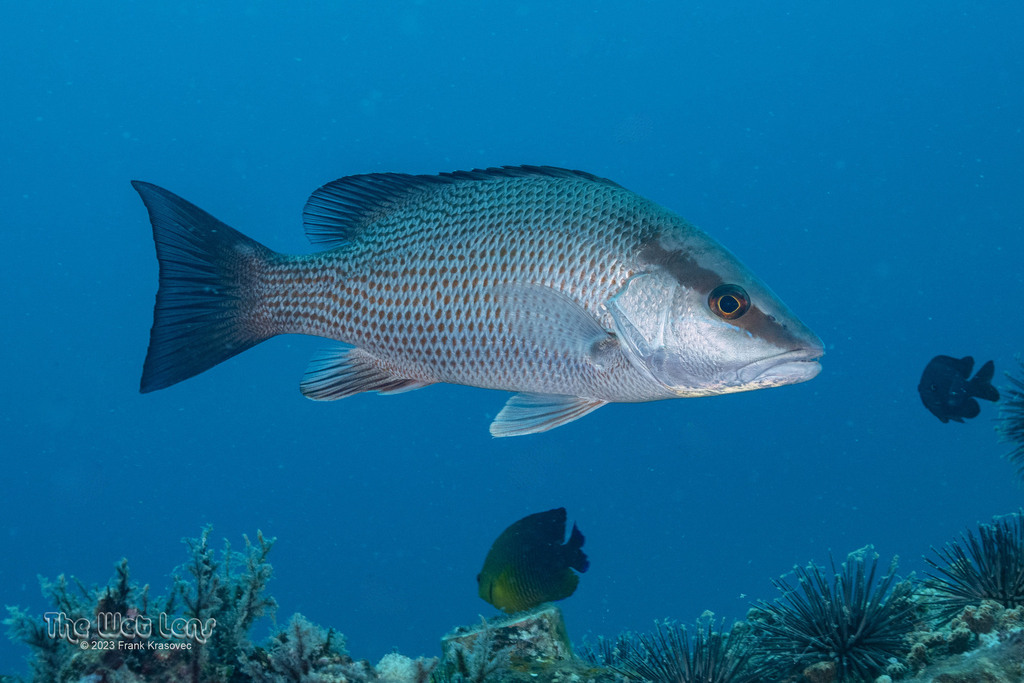
The Banded Rudderfish is a striking marine species known for its vibrant colors and streamlined body.
Pricing for Verified Importers
Log in to see wholesale prices and order.
Export Size
up to 70.0 cm
Origin
Indo-Pacific
Temperature
24.0–28.0°C
Min. Tank Size
300 L
Salinity
30.000–35.000 ppt
pH
8.10–8.40
Diet
carnivore
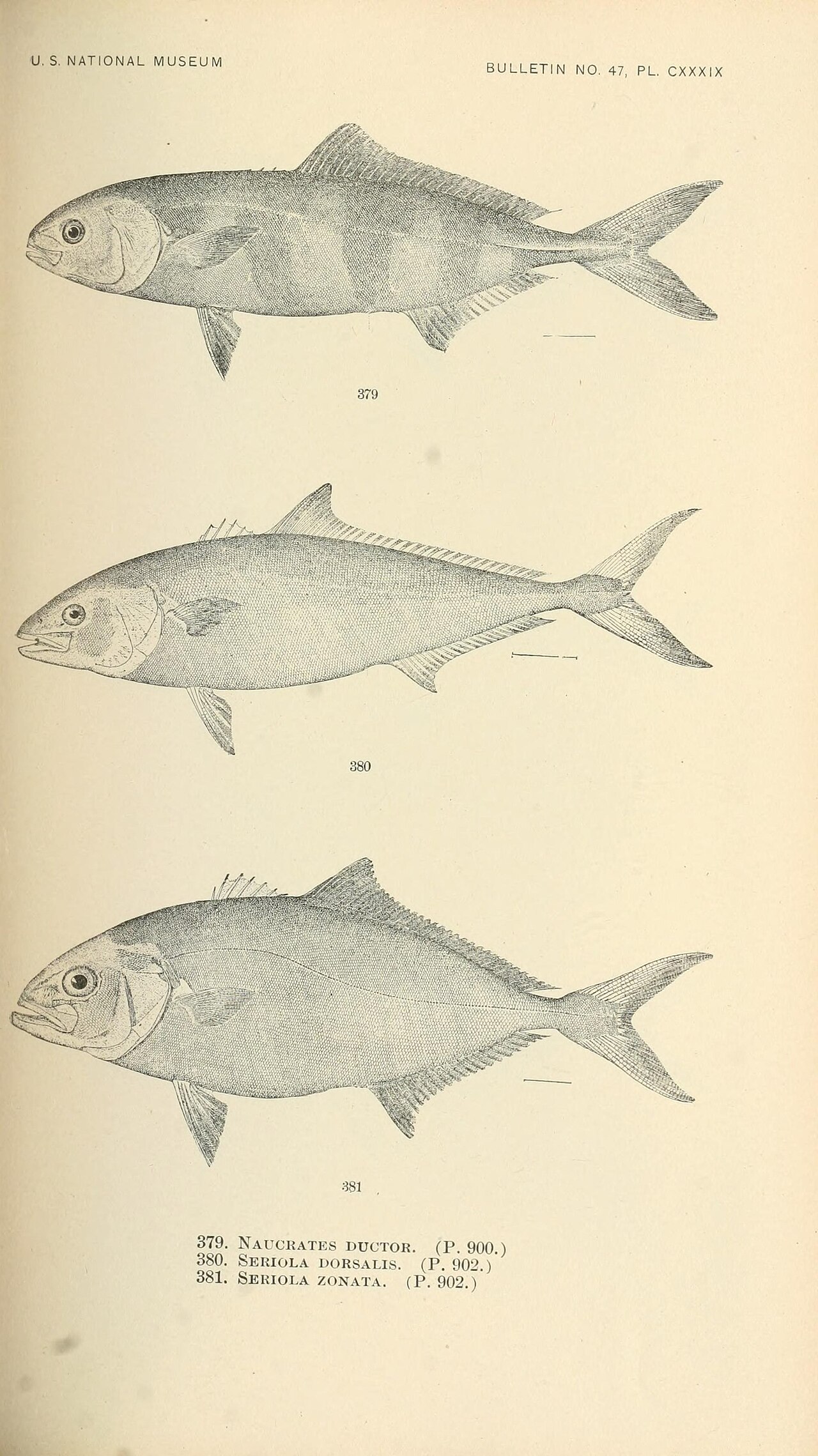
The Banded Rudderfish (Seriola zonata) is a captivating marine fish found predominantly in the warm, tropical waters of the Indo-Pacific region. Characterized by its elongated, streamlined body and distinctive vertical bands, this species exhibits a stunning blend of blue and silver hues that make it a favorite among aquarists and collectors. Growing up to 70 cm in length, the Banded Rudderfish displays a unique adaptation to its environment, allowing it to maneuver swiftly through the water and evade predators.
In terms of natural history, the Banded Rudderfish is a pelagic species, often inhabiting deeper waters, typically around coral reefs and offshore islands. They are known to form small schools, particularly during their juvenile stages, which offers them protection from larger predators. As they mature, they may become more solitary, displaying a more territorial behavior. Their diet in the wild consists mainly of smaller fish and cephalopods, showcasing their predatory nature.
Behaviorally, the Banded Rudderfish is both agile and curious, often exploring its surroundings for food. They are known to be relatively hardy, making them suitable for aquarium life, provided their environmental needs are met. In the aquarium setting, they exhibit interesting interactive behaviors, especially during feeding times when they can be seen darting around in search of food.
Habitat-wise, this species thrives in warm waters with ample food supply and shelter. They are typically found at depths ranging from 20 to 100 meters, where they can find both predation opportunities and protection from environmental stresses. The Banded Rudderfish is an important part of the marine ecosystem, contributing to the balance of species within its habitat.
In terms of natural history, the Banded Rudderfish is a pelagic species, often inhabiting deeper waters, typically around coral reefs and offshore islands. They are known to form small schools, particularly during their juvenile stages, which offers them protection from larger predators. As they mature, they may become more solitary, displaying a more territorial behavior. Their diet in the wild consists mainly of smaller fish and cephalopods, showcasing their predatory nature.
Behaviorally, the Banded Rudderfish is both agile and curious, often exploring its surroundings for food. They are known to be relatively hardy, making them suitable for aquarium life, provided their environmental needs are met. In the aquarium setting, they exhibit interesting interactive behaviors, especially during feeding times when they can be seen darting around in search of food.
Habitat-wise, this species thrives in warm waters with ample food supply and shelter. They are typically found at depths ranging from 20 to 100 meters, where they can find both predation opportunities and protection from environmental stresses. The Banded Rudderfish is an important part of the marine ecosystem, contributing to the balance of species within its habitat.
For successful care of the Banded Rudderfish in captivity, maintaining optimal water parameters is crucial. The ideal temperature range is between 24°C and 28°C, with a salinity of 30-35 ppt. pH levels should be kept between 8.1 and 8.4 to simulate their natural seawater habitat. A minimum tank size of 300 liters is recommended to provide sufficient swimming space for this active species.
Feeding the Banded Rudderfish requires a varied diet to meet its carnivorous needs. High-quality pelleted food, along with frozen or live foods such as shrimp, fish, and squid, should be offered daily. Compatibility with other species can vary, so it’s best to introduce them to a well-established tank with similar-sized fish to minimize aggression.
Acclimation is vital when introducing the Banded Rudderfish to a new environment; a slow drip acclimation method is recommended to reduce stress. Additionally, a quarantine period of at least two weeks is advisable to monitor for any signs of disease before adding them to the main tank. Proper care and attention to these factors will ensure the health and longevity of this striking marine fish.
Feeding the Banded Rudderfish requires a varied diet to meet its carnivorous needs. High-quality pelleted food, along with frozen or live foods such as shrimp, fish, and squid, should be offered daily. Compatibility with other species can vary, so it’s best to introduce them to a well-established tank with similar-sized fish to minimize aggression.
Acclimation is vital when introducing the Banded Rudderfish to a new environment; a slow drip acclimation method is recommended to reduce stress. Additionally, a quarantine period of at least two weeks is advisable to monitor for any signs of disease before adding them to the main tank. Proper care and attention to these factors will ensure the health and longevity of this striking marine fish.
The Banded Rudderfish is suitable for shipping under controlled conditions. It is recommended to pack them in well-oxygenated bags with proper temperature control to prevent stress and ensure survival during transit. A packing density of 1 fish per 10 liters is advisable. This species is sensitive to temperature fluctuations, so maintaining a stable environment is critical. Currently, there are no CITES restrictions on the Banded Rudderfish.
Species Parameters
Max Adult Size
70.0 cm
Origin
Indo-Pacific
Diet
carnivore
Temp Min
24.0 °C
Temp Max
28.0 °C
Salinity Min
30.000
Salinity Max
35.000
pH Min
8.10
pH Max
8.40
Min Tank
300 L