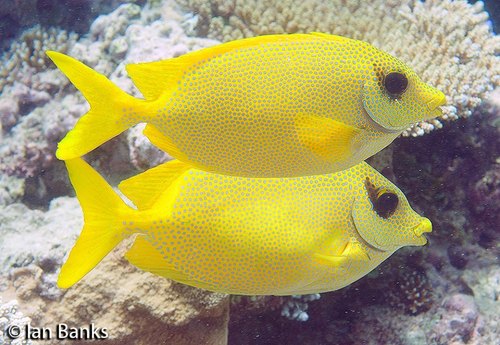
Scribbled/Scrawled Leatherjacket
aluterus scriptus
In Stock
Common stock
Wild Caught
Moderate care
With Caution
SKU: ML-MF-0207
The Scribbled Leatherjacket stands out with its unique markings and robust body.
Pricing for Verified Importers
Log in to see wholesale prices and order.
Export Size
up to 30.0 cm
Origin
Indo-Pacific
Temperature
24.0–28.0°C
Min. Tank Size
200 L
Salinity
30.000–35.000 ppt
pH
8.10–8.40
Diet
herbivore
The Scribbled Leatherjacket (Aluterus scriptus) is a striking marine fish known for its distinctive and intricate patterns that resemble scribbles across its body. This species showcases a flattened, oval body shape, which allows it to navigate through rocky reefs and sandy substrates with ease. Typically, adults display a blend of browns and greens, with prominent white or yellow markings that are thought to provide camouflage among coral and seaweed. Reaching a maximum size of around 30 cm, the Scribbled Leatherjacket is a relatively large member of its family.
Inhabiting the warm waters of the Indo-Pacific region, these fish are commonly found in shallow coastal areas, particularly around coral reefs and lagoons. They thrive in a variety of habitats, including sandy bottoms and rocky outcrops, where they feed on a diet primarily composed of algae and small invertebrates. The Scribbled Leatherjacket is a diurnal species, active during the day and often observed swimming in pairs or small groups among the reefs, showcasing their social behavior.
Behaviorally, these fish are known for their defensive tactics, often puffing up their bodies to appear larger when threatened. This adaptation, along with their tough, leathery skin, helps deter potential predators. In addition, the Scribbled Leatherjacket is equipped with a set of spines that can be deployed when feeling threatened, adding an extra layer of protection. Their vibrant appearance and engaging behavior make them a favorite among marine enthusiasts and aquarists alike.
Conservation-wise, the Scribbled Leatherjacket is not currently listed as threatened, but habitat preservation is essential to ensure their populations remain stable. As coral reefs face various environmental pressures, the health of their ecosystems directly impacts the survival of species like the Scribbled Leatherjacket.
Inhabiting the warm waters of the Indo-Pacific region, these fish are commonly found in shallow coastal areas, particularly around coral reefs and lagoons. They thrive in a variety of habitats, including sandy bottoms and rocky outcrops, where they feed on a diet primarily composed of algae and small invertebrates. The Scribbled Leatherjacket is a diurnal species, active during the day and often observed swimming in pairs or small groups among the reefs, showcasing their social behavior.
Behaviorally, these fish are known for their defensive tactics, often puffing up their bodies to appear larger when threatened. This adaptation, along with their tough, leathery skin, helps deter potential predators. In addition, the Scribbled Leatherjacket is equipped with a set of spines that can be deployed when feeling threatened, adding an extra layer of protection. Their vibrant appearance and engaging behavior make them a favorite among marine enthusiasts and aquarists alike.
Conservation-wise, the Scribbled Leatherjacket is not currently listed as threatened, but habitat preservation is essential to ensure their populations remain stable. As coral reefs face various environmental pressures, the health of their ecosystems directly impacts the survival of species like the Scribbled Leatherjacket.
For aquarium importers and retailers, maintaining optimal conditions for the Scribbled Leatherjacket is crucial. This species thrives in a temperature range of 24 to 28 degrees Celsius, with a salinity level between 30 to 35 ppt. The pH should be maintained between 8.1 and 8.4 to replicate their natural habitat. A minimum tank size of 200 liters is recommended, allowing ample space for swimming and hiding, as they can be territorial.
Feeding these fish requires a varied diet, primarily consisting of high-quality marine pellets, frozen or live foods such as brine shrimp and algae. Regular dietary diversity will promote optimal health and coloration. When introducing the Scribbled Leatherjacket to a new aquarium, a slow acclimation process is essential to reduce stress and ensure a successful transition. Gradually adjusting their environment over several hours can significantly improve their comfort.
In terms of compatibility, Scribbled Leatherjackets typically get along with other marine species but may exhibit territorial behavior towards similar-looking fish. Therefore, it is advisable to house them with more docile species to minimize aggression. Quarantine new arrivals for at least two weeks to monitor for any diseases or parasites before introducing them into the main display tank, ensuring the health of your aquatic environment.
Feeding these fish requires a varied diet, primarily consisting of high-quality marine pellets, frozen or live foods such as brine shrimp and algae. Regular dietary diversity will promote optimal health and coloration. When introducing the Scribbled Leatherjacket to a new aquarium, a slow acclimation process is essential to reduce stress and ensure a successful transition. Gradually adjusting their environment over several hours can significantly improve their comfort.
In terms of compatibility, Scribbled Leatherjackets typically get along with other marine species but may exhibit territorial behavior towards similar-looking fish. Therefore, it is advisable to house them with more docile species to minimize aggression. Quarantine new arrivals for at least two weeks to monitor for any diseases or parasites before introducing them into the main display tank, ensuring the health of your aquatic environment.
The Scribbled Leatherjacket is moderately suitable for shipping, provided proper care is taken during transit. Packing density should be limited to ensure adequate oxygenation and space, generally one fish per 10 liters is advisable. They are sensitive to temperature fluctuations, so maintaining a stable temperature between 24 to 28 degrees Celsius is crucial during shipping. Although not listed under CITES, it is important to follow all local regulations regarding export.
Species Parameters
Max Adult Size
30.0 cm
Origin
Indo-Pacific
Diet
herbivore
Temp Min
24.0 °C
Temp Max
28.0 °C
Salinity Min
30.000
Salinity Max
35.000
pH Min
8.10
pH Max
8.40
Min Tank
200 L