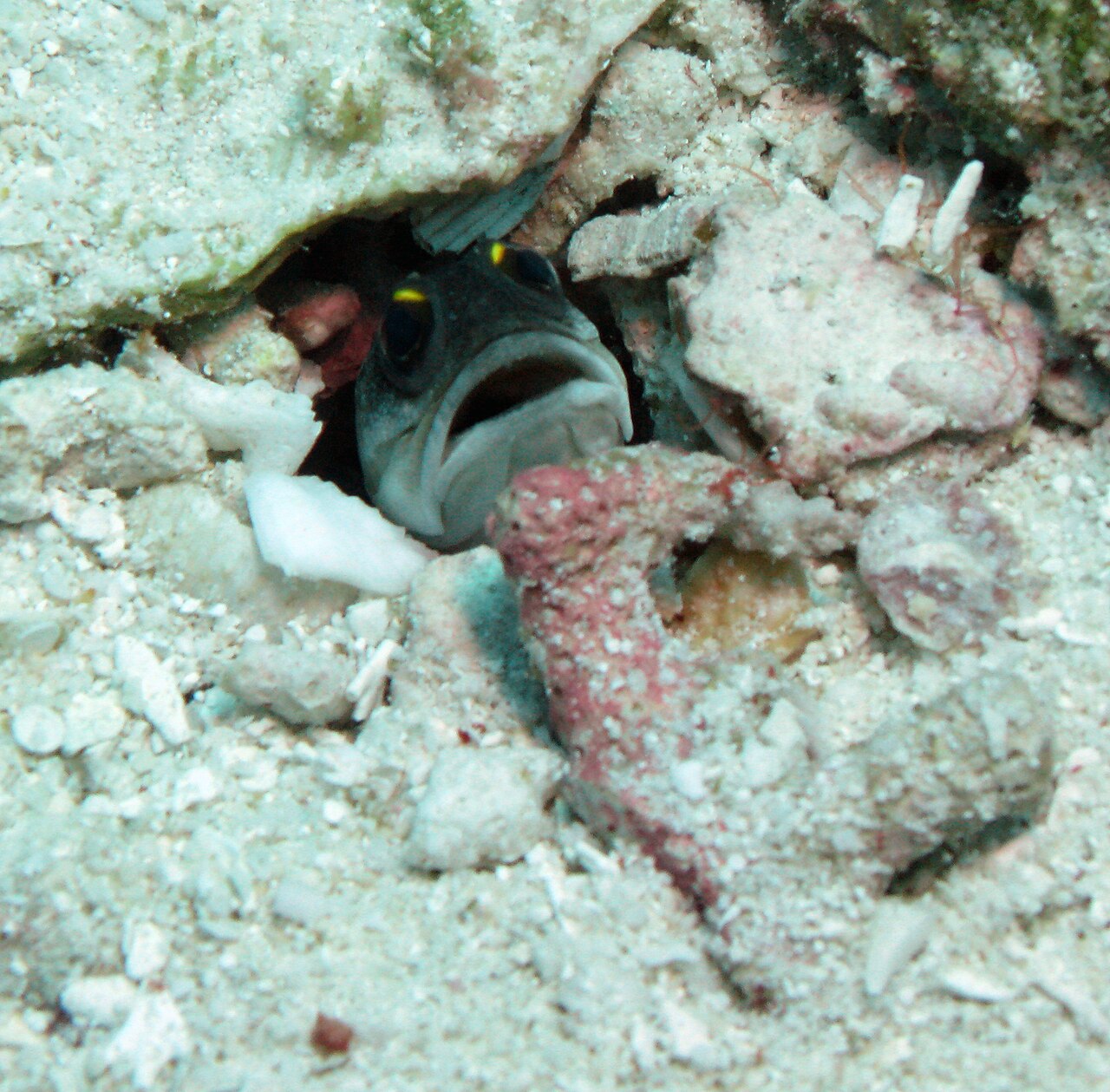
Chinstrap Jawfish
opistognathus
In Stock
Common stock
Wild Caught
Moderate care
With Caution
SKU: ML-MF-0110
Discover the vibrant Chinstrap Jawfish, a unique marine species known for its striking appearance and burrowing behavior.
Pricing for Verified Importers
Log in to see wholesale prices and order.
Export Size
up to 10.0 cm
Origin
Indo-Pacific
Temperature
24.0–28.0°C
Min. Tank Size
100 L
Salinity
1.020–1.025 ppt
pH
8.10–8.40
Diet
carnivore
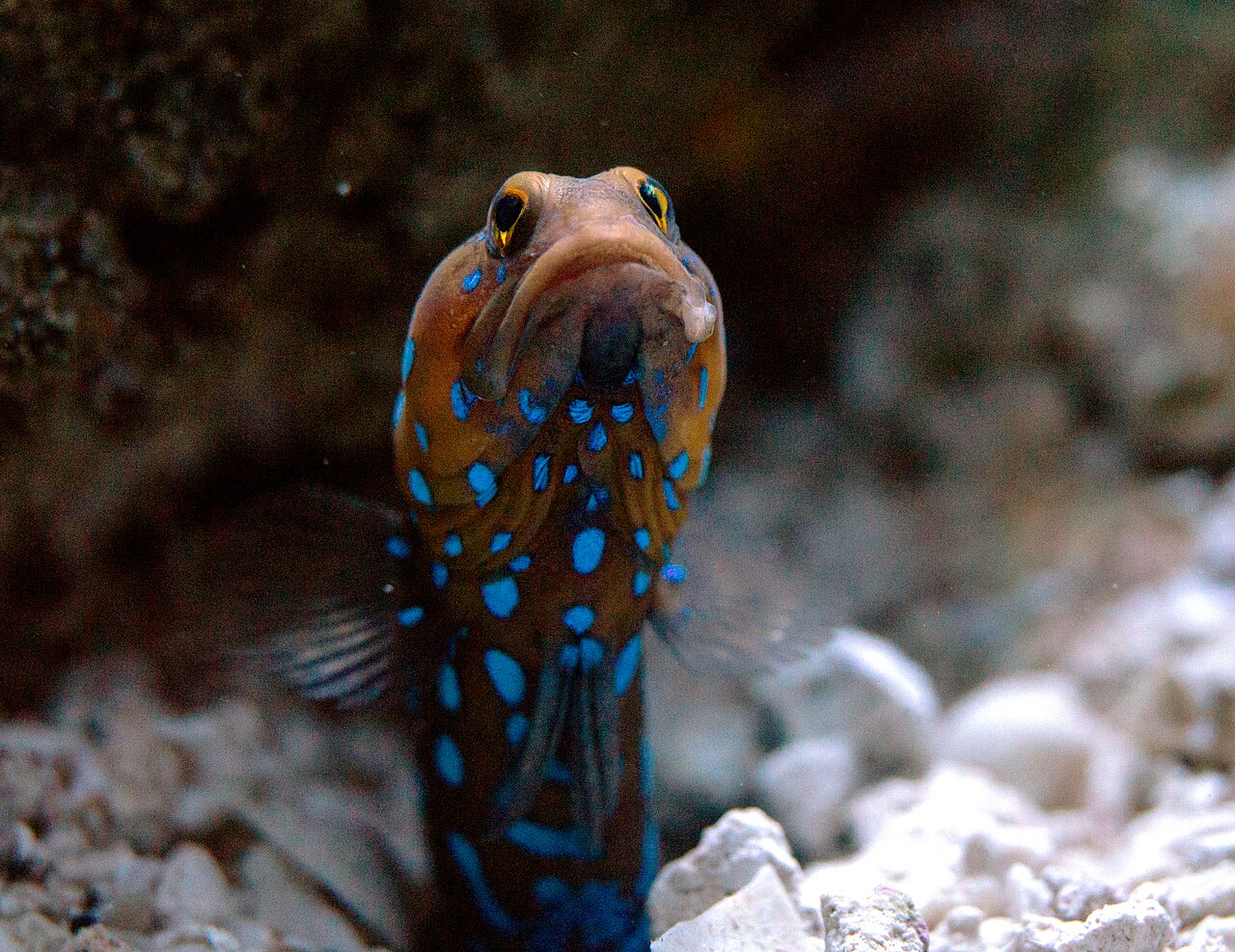
The Chinstrap Jawfish (Opistognathus) is a captivating marine species native to the coral reefs of the Indo-Pacific region. This fish is characterized by its slender body, large mouth, and distinctive chinstrap-like markings that give it a unique appearance among jawfish. Typically, they exhibit a beautiful blend of blues and yellows, making them a visually appealing addition to any aquarium. Their vibrant colors and patterns not only enhance their aesthetics but also serve as camouflage among the reef's substrates.
In their natural habitat, Chinstrap Jawfish are often found in sandy or rubble areas of coral reefs, where they create burrows to hide from predators and hunt for food. Their behavior is fascinating; these fish are known for their head-bobbing displays, a form of communication that also helps establish territory. They are relatively shy creatures, often darting back into their burrows at the slightest disturbance, which adds to their charm and allure for aquarists.
Chinstrap Jawfish are carnivorous and primarily feed on small invertebrates and zooplankton. In the aquarium, they may be seen sifting through sand and debris in search of food, showcasing their natural foraging instincts. Their unique burrowing behavior not only provides them with shelter but also plays a vital role in maintaining the ecological balance of their reef environments.
Overall, the Chinstrap Jawfish is a remarkable species that offers both beauty and intrigue. Its unique adaptations and behaviors make it an excellent choice for marine aquarium enthusiasts looking to create a vibrant and dynamic underwater ecosystem.
In their natural habitat, Chinstrap Jawfish are often found in sandy or rubble areas of coral reefs, where they create burrows to hide from predators and hunt for food. Their behavior is fascinating; these fish are known for their head-bobbing displays, a form of communication that also helps establish territory. They are relatively shy creatures, often darting back into their burrows at the slightest disturbance, which adds to their charm and allure for aquarists.
Chinstrap Jawfish are carnivorous and primarily feed on small invertebrates and zooplankton. In the aquarium, they may be seen sifting through sand and debris in search of food, showcasing their natural foraging instincts. Their unique burrowing behavior not only provides them with shelter but also plays a vital role in maintaining the ecological balance of their reef environments.
Overall, the Chinstrap Jawfish is a remarkable species that offers both beauty and intrigue. Its unique adaptations and behaviors make it an excellent choice for marine aquarium enthusiasts looking to create a vibrant and dynamic underwater ecosystem.
To successfully care for Chinstrap Jawfish, it is essential to replicate their natural environment as closely as possible. The ideal water parameters include a temperature range of 24-28°C, a salinity of 1.020-1.025 ppt, and a pH level between 8.1 and 8.4. Providing a sandy substrate is crucial, as this allows the fish to create burrows, which are essential for their comfort and well-being.
Feeding should consist of high-quality marine pellets, frozen or live brine shrimp, and other small invertebrates to meet their carnivorous dietary needs. Regular feeding, ideally several times a day, will promote optimal health and vitality. When introducing Chinstrap Jawfish to a community tank, it is important to select compatible tank mates; they tend to do well with peaceful reef fish but should be kept away from aggressive species that may stress them.
Acclimation is critical for this species; it is recommended to use the drip acclimation method to gradually introduce them to their new environment. A quarantine period of at least two weeks is also advisable to monitor for any signs of illness or stress before introducing them to the main display tank.
Feeding should consist of high-quality marine pellets, frozen or live brine shrimp, and other small invertebrates to meet their carnivorous dietary needs. Regular feeding, ideally several times a day, will promote optimal health and vitality. When introducing Chinstrap Jawfish to a community tank, it is important to select compatible tank mates; they tend to do well with peaceful reef fish but should be kept away from aggressive species that may stress them.
Acclimation is critical for this species; it is recommended to use the drip acclimation method to gradually introduce them to their new environment. A quarantine period of at least two weeks is also advisable to monitor for any signs of illness or stress before introducing them to the main display tank.
Chinstrap Jawfish are suitable for shipping, but special care must be taken to ensure their well-being during transit. Optimal packing density should be maintained to minimize stress, typically accommodating 1-2 fish per liter of water. Temperature sensitivity is a crucial factor; thus, shipping should occur within a temperature range of 24-28°C. No CITES restrictions apply to this species, simplifying export processes.
Species Parameters
Max Adult Size
10.0 cm
Origin
Indo-Pacific
Diet
carnivore
Temp Min
24.0 °C
Temp Max
28.0 °C
Salinity Min
1.020
Salinity Max
1.025
pH Min
8.10
pH Max
8.40
Min Tank
100 L