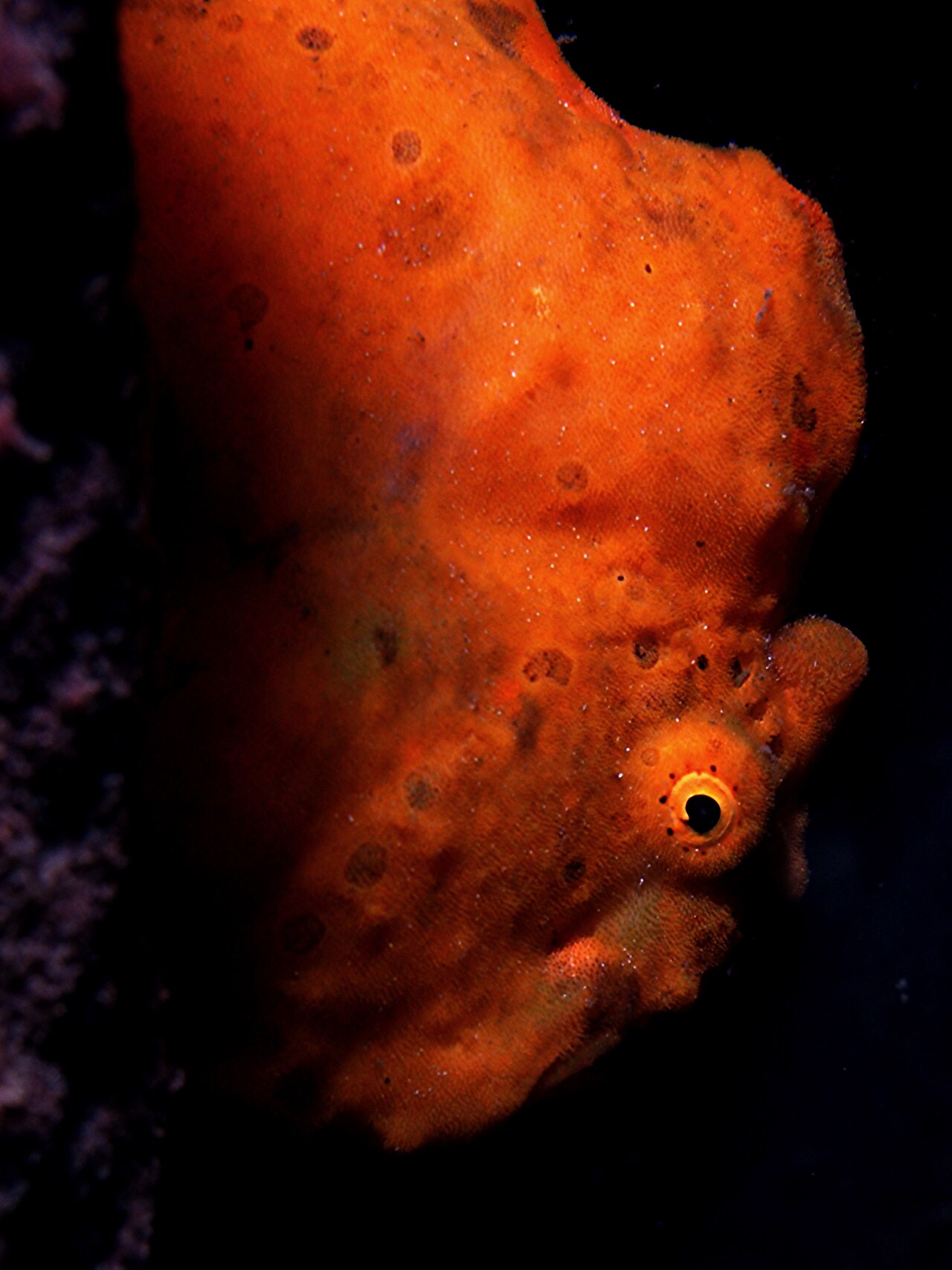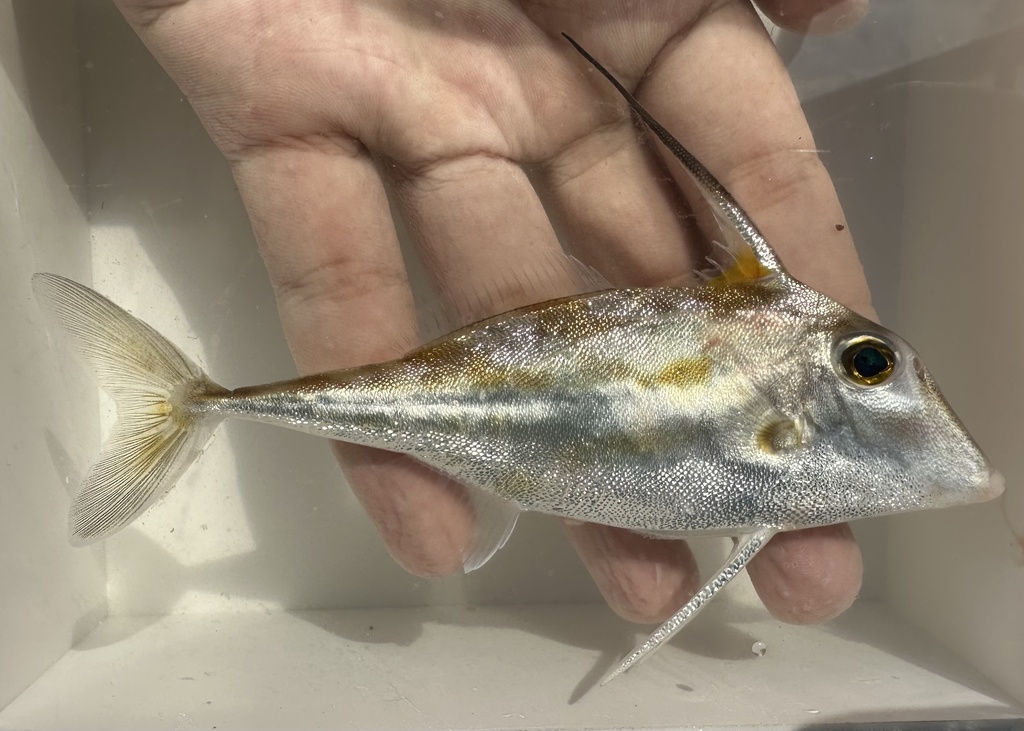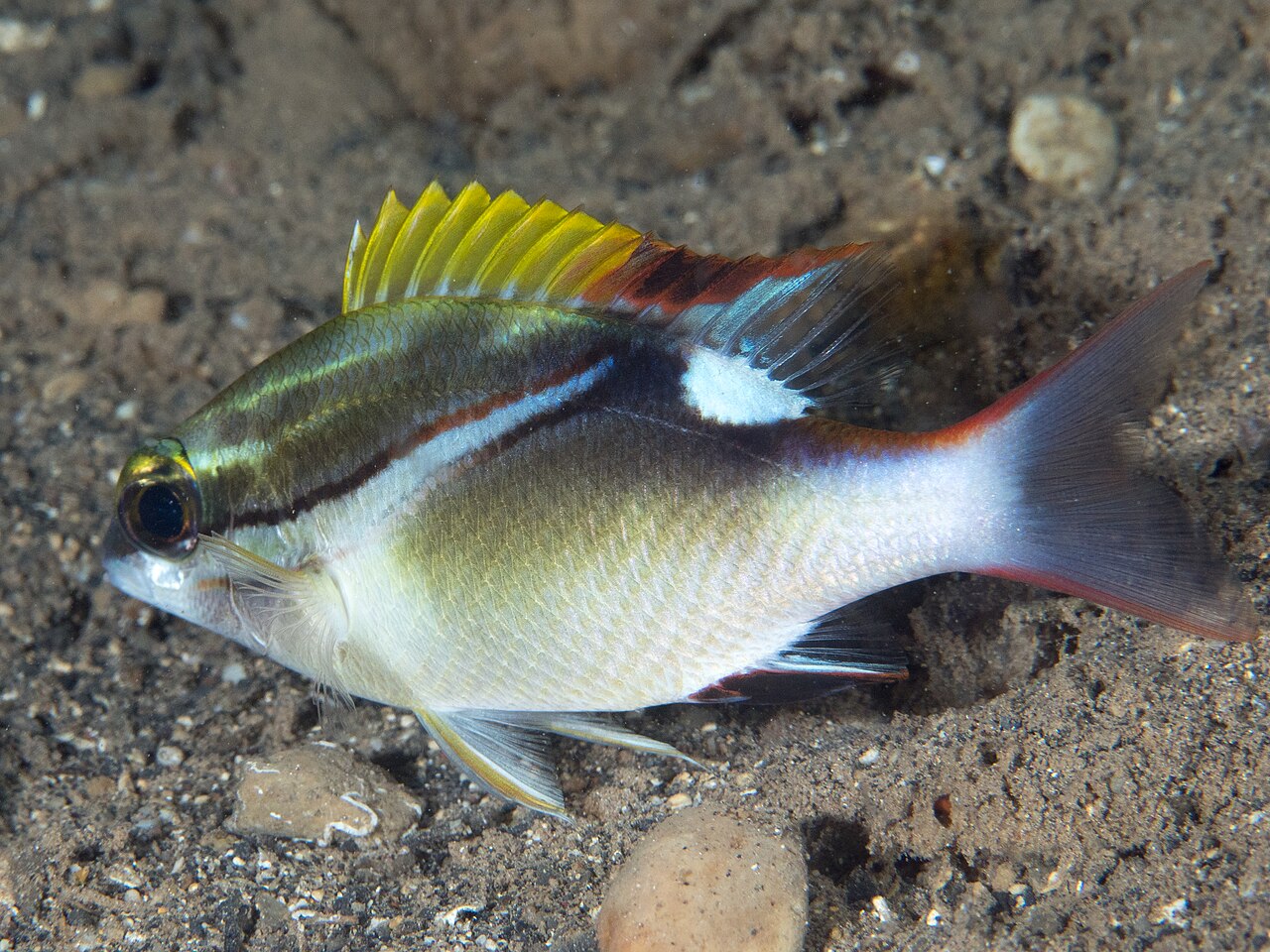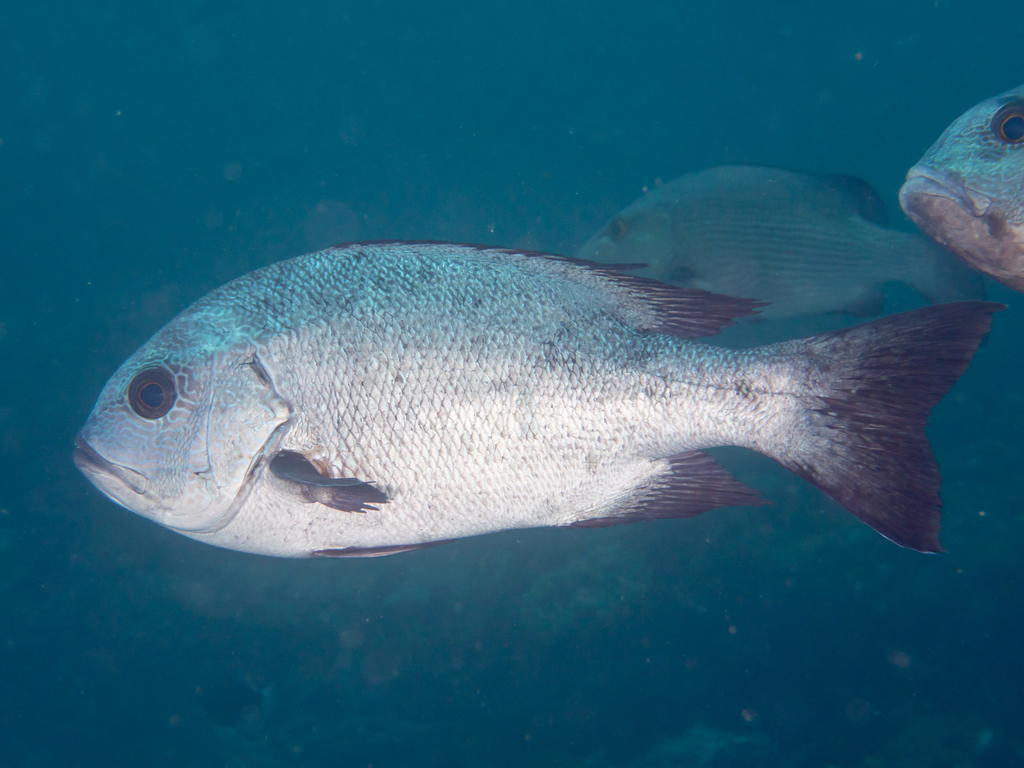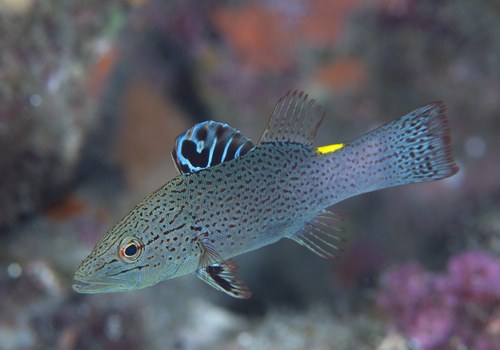
Crocodile flathead/Spotted Crocodile Flathead
cociella crocodilus
In Stock
Common stock
Wild Caught
Moderate care
With Caution
SKU: ML-MF-0361
Discover the unique Crocodile Flathead, a fascinating marine fish native to Bali.
Pricing for Verified Importers
Log in to see wholesale prices and order.
Export Size
up to 30.0 cm
Origin
Indo-Pacific
Temperature
24.0–30.0°C
Min. Tank Size
200 L
Salinity
30.000–35.000 ppt
pH
7.80–8.50
Diet
carnivore
The Crocodile Flathead, scientifically known as Cociella crocodilus, is a remarkable marine fish found primarily in the shallow coastal waters of the Indo-Pacific region, particularly around coral reefs and sandy bottoms. This species is characterized by its distinctive flattened body and large, crocodile-like head, which helps it camouflage among the substrate while hunting for prey. Its coloration varies from sandy brown to mottled patterns that provide excellent concealment from predators and prey alike.
Crocodile Flatheads are typically solitary and territorial, preferring to stake out their own patches of reef or sandy bottoms where they can dig into the substrate to ambush unsuspecting fish and invertebrates. Their diet mainly consists of small fish and crustaceans, which they capture with swift strikes aided by their powerful jaws. This predatory behavior makes them an interesting species for both aquarists and researchers studying marine predation.
In terms of habitat, Crocodile Flatheads thrive in warm, shallow waters, often found at depths ranging from one to 30 meters. They prefer areas with abundant hiding spots, such as coral formations and seagrass beds. As a species that is sensitive to environmental changes, they are excellent indicators of the health of their marine ecosystems. Conservation efforts are vital in ensuring their populations remain stable, especially in regions facing habitat degradation due to human activities.
Overall, the Crocodile Flathead is a captivating species for marine enthusiasts, showcasing unique adaptations that highlight the diversity of aquatic life found in Bali's rich ecosystems.
Crocodile Flatheads are typically solitary and territorial, preferring to stake out their own patches of reef or sandy bottoms where they can dig into the substrate to ambush unsuspecting fish and invertebrates. Their diet mainly consists of small fish and crustaceans, which they capture with swift strikes aided by their powerful jaws. This predatory behavior makes them an interesting species for both aquarists and researchers studying marine predation.
In terms of habitat, Crocodile Flatheads thrive in warm, shallow waters, often found at depths ranging from one to 30 meters. They prefer areas with abundant hiding spots, such as coral formations and seagrass beds. As a species that is sensitive to environmental changes, they are excellent indicators of the health of their marine ecosystems. Conservation efforts are vital in ensuring their populations remain stable, especially in regions facing habitat degradation due to human activities.
Overall, the Crocodile Flathead is a captivating species for marine enthusiasts, showcasing unique adaptations that highlight the diversity of aquatic life found in Bali's rich ecosystems.
When importing and caring for Crocodile Flatheads, maintaining optimal water quality is crucial. Ideal water parameters include a temperature range of 24-30°C, a salinity level of 30-35 ppt, and a pH between 7.8 and 8.5. A minimum tank size of 200 liters is recommended to provide adequate space for swimming and foraging.
Feeding the Crocodile Flathead should focus on a diet rich in protein, such as small fish, shrimp, and other marine invertebrates. Offering a varied diet will ensure their health and longevity in captivity. Compatibility with other species can be challenging, as they are territorial and may exhibit aggressive behavior towards similar-sized fish. It is best to house them with larger, more docile species that are not easily provoked.
During acclimation, gradual introduction to the aquarium environment is essential to reduce stress. Quarantine new arrivals for at least two weeks to monitor for any signs of disease and to ensure they are healthy before introducing them to the main tank. Regular water changes and monitoring of parameters will support their well-being in captivity.
Feeding the Crocodile Flathead should focus on a diet rich in protein, such as small fish, shrimp, and other marine invertebrates. Offering a varied diet will ensure their health and longevity in captivity. Compatibility with other species can be challenging, as they are territorial and may exhibit aggressive behavior towards similar-sized fish. It is best to house them with larger, more docile species that are not easily provoked.
During acclimation, gradual introduction to the aquarium environment is essential to reduce stress. Quarantine new arrivals for at least two weeks to monitor for any signs of disease and to ensure they are healthy before introducing them to the main tank. Regular water changes and monitoring of parameters will support their well-being in captivity.
Crocodile Flatheads are suitable for shipping, provided that they are packed securely to minimize movement and stress. A packing density of 1-2 fish per liter of water is recommended to ensure adequate oxygen levels during transit. They are sensitive to temperature fluctuations, so maintaining a stable environment between 24-28°C is vital during shipping. Currently, there are no CITES restrictions on this species, allowing for easier export and import.
Species Parameters
Max Adult Size
30.0 cm
Origin
Indo-Pacific
Diet
carnivore
Temp Min
24.0 °C
Temp Max
30.0 °C
Salinity Min
30.000
Salinity Max
35.000
pH Min
7.80
pH Max
8.50
Min Tank
200 L