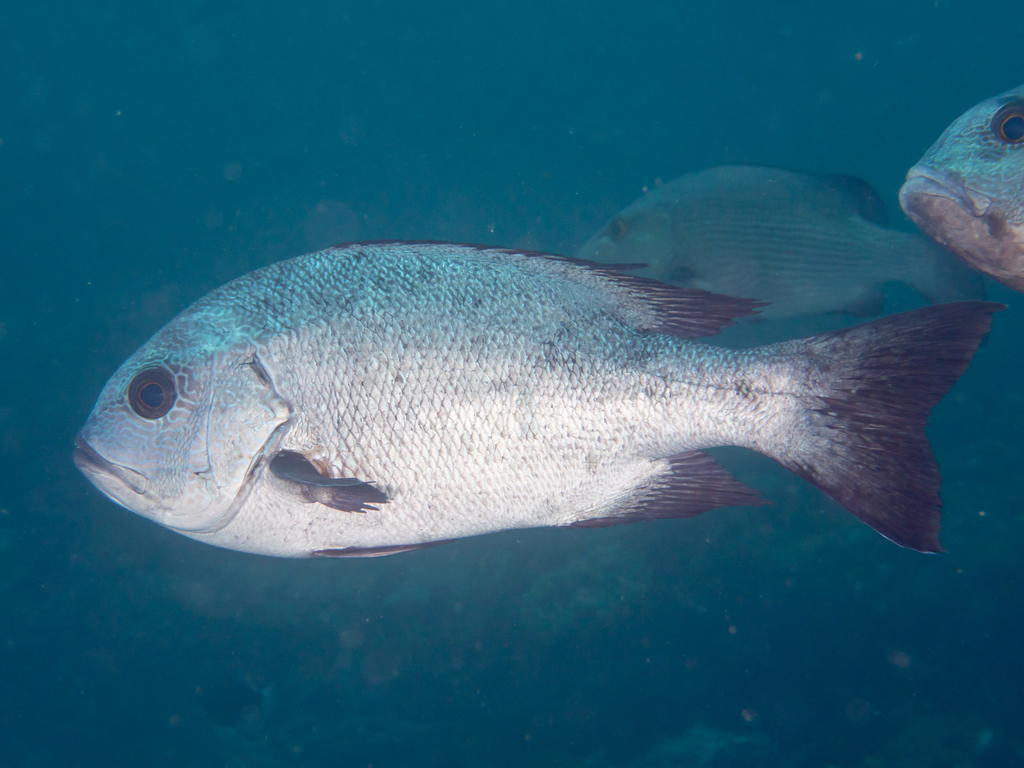
Black & White Snapper
macolor niger
In Stock
Common stock
Wild Caught
Moderate care
With Caution
SKU: ML-MF-0308
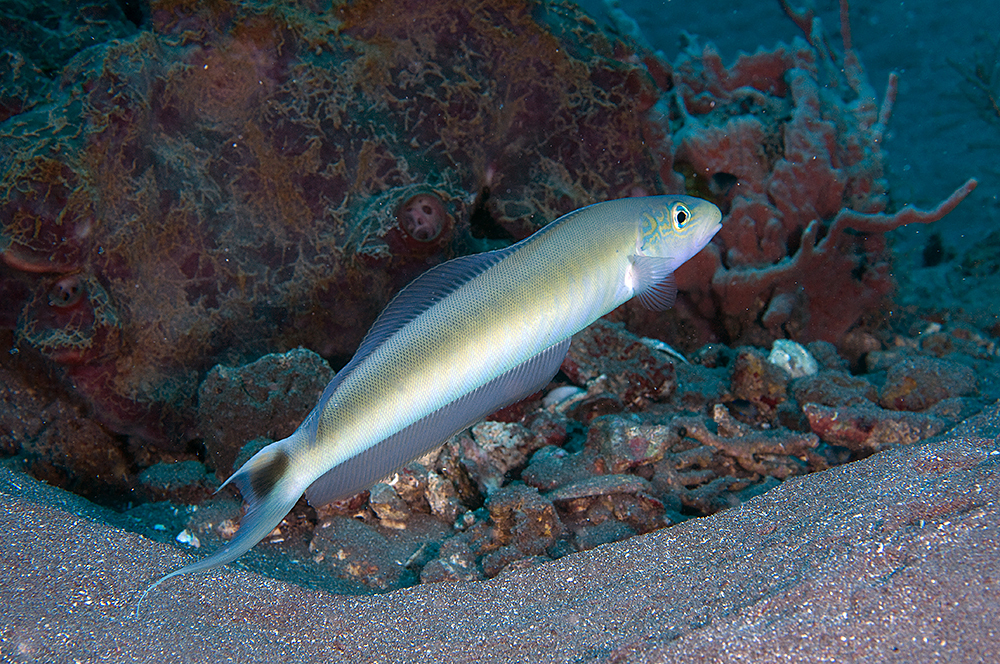
The Black & White Snapper is a striking marine fish known for its unique coloration and vibrant personality.
Pricing for Verified Importers
Log in to see wholesale prices and order.
Export Size
up to 50.0 cm
Origin
Indo-Pacific
Temperature
24.0–28.0°C
Min. Tank Size
300 L
Salinity
30.000–35.000 ppt
pH
8.10–8.40
Diet
carnivore
The Black & White Snapper (macolor niger) is a captivating species native to the tropical waters of the Indo-Pacific region. This marine fish is easily recognizable by its stunning black and white coloration, where the body features a contrasting pattern that makes it stand out in any aquarium setting. Adult specimens can grow up to 50 cm in length, showcasing a robust and streamlined body that is typical of snapper species. They possess a large mouth with strong jaws, adapted for capturing a variety of prey in their natural habitat.
In the wild, Black & White Snappers are commonly found in coral reefs and rocky areas, often residing in depths ranging from 10 to 50 meters. They are known to be both solitary and social creatures, exhibiting interesting behaviors such as forming loose groups when hunting for food. Their diet primarily consists of smaller fish, crustaceans, and other marine invertebrates, making them proficient hunters in their ecosystem. This species is also known for its adaptability to various environments, which contributes to its popularity among aquarium enthusiasts.
Behaviorally, Black & White Snappers are generally known to be bold and can exhibit territorial tendencies, making them suitable for larger community tanks where they have enough space to establish their territory. They are active swimmers and require ample swimming room to thrive. In captivity, they can display a range of behaviors, including foraging and interacting with tank mates, which adds to their appeal as an aquarium species.
Due to their striking appearance and dynamic behavior, the Black & White Snapper is a sought-after species for marine aquarists. They thrive best in well-maintained environments that replicate their natural habitats, thus offering a rewarding experience for both importers and hobbyists alike.
In the wild, Black & White Snappers are commonly found in coral reefs and rocky areas, often residing in depths ranging from 10 to 50 meters. They are known to be both solitary and social creatures, exhibiting interesting behaviors such as forming loose groups when hunting for food. Their diet primarily consists of smaller fish, crustaceans, and other marine invertebrates, making them proficient hunters in their ecosystem. This species is also known for its adaptability to various environments, which contributes to its popularity among aquarium enthusiasts.
Behaviorally, Black & White Snappers are generally known to be bold and can exhibit territorial tendencies, making them suitable for larger community tanks where they have enough space to establish their territory. They are active swimmers and require ample swimming room to thrive. In captivity, they can display a range of behaviors, including foraging and interacting with tank mates, which adds to their appeal as an aquarium species.
Due to their striking appearance and dynamic behavior, the Black & White Snapper is a sought-after species for marine aquarists. They thrive best in well-maintained environments that replicate their natural habitats, thus offering a rewarding experience for both importers and hobbyists alike.
When caring for Black & White Snapper, it is crucial to maintain optimal water parameters to ensure their health and well-being. The ideal temperature range for these fish is between 24°C to 28°C, with a salinity level of 30 to 35 ppt. Regular monitoring of pH levels is essential, aiming for a range of 8.1 to 8.4. A minimum tank size of 300 liters is recommended to provide adequate swimming space and territorial zones.
Feeding Black & White Snappers requires a varied diet to promote optimal health. They are carnivorous and should be offered high-quality pellets, frozen or live foods such as shrimp, and small fish. It is advisable to feed them multiple times a day in small quantities, ensuring they receive the necessary nutrition without overfeeding.
In terms of compatibility, these snappers can coexist with other robust fish species, but caution should be exercised with smaller or more docile species as they may become targets for predation. Acclimation should be done slowly over several hours to minimize stress, and a quarantine period of at least two weeks is recommended before introducing them to the main tank. This allows for observation and treatment of any potential health issues.
Proper care and attention to their environmental needs will not only enhance their longevity but also ensure a vibrant display in any marine aquarium setup.
Feeding Black & White Snappers requires a varied diet to promote optimal health. They are carnivorous and should be offered high-quality pellets, frozen or live foods such as shrimp, and small fish. It is advisable to feed them multiple times a day in small quantities, ensuring they receive the necessary nutrition without overfeeding.
In terms of compatibility, these snappers can coexist with other robust fish species, but caution should be exercised with smaller or more docile species as they may become targets for predation. Acclimation should be done slowly over several hours to minimize stress, and a quarantine period of at least two weeks is recommended before introducing them to the main tank. This allows for observation and treatment of any potential health issues.
Proper care and attention to their environmental needs will not only enhance their longevity but also ensure a vibrant display in any marine aquarium setup.
The Black & White Snapper is suitable for air shipping, provided they are packed with care to minimize stress. A packing density of 1 fish per 10 liters is recommended to ensure ample space during transit. These fish are sensitive to temperature changes, so maintaining a stable temperature between 24°C and 28°C during shipping is critical. Currently, there are no CITES restrictions applicable to this species, making it easier for importers to handle.
Species Parameters
Max Adult Size
50.0 cm
Origin
Indo-Pacific
Diet
carnivore
Temp Min
24.0 °C
Temp Max
28.0 °C
Salinity Min
30.000
Salinity Max
35.000
pH Min
8.10
pH Max
8.40
Min Tank
300 L