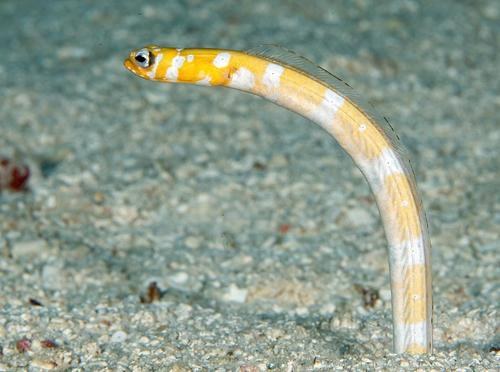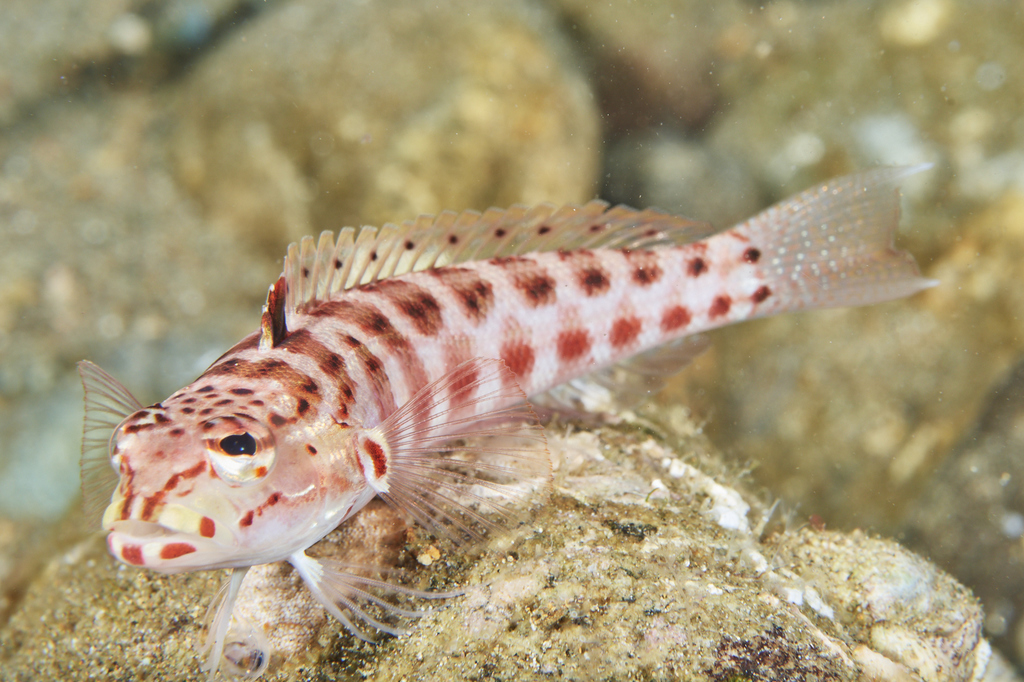
Double whiptail
pentapodus emeryii
In Stock
Common stock
Wild Caught
Moderate care
With Caution
SKU: ML-MF-0343
The Double Whiptail is a striking marine fish known for its unique appearance and vibrant colors.
Pricing for Verified Importers
Log in to see wholesale prices and order.
Export Size
up to 15.0 cm
Origin
Indo-Pacific
Temperature
24.0–28.0°C
Min. Tank Size
150 L
Salinity
30.000–35.000 ppt
pH
8.10–8.40
Diet
carnivore
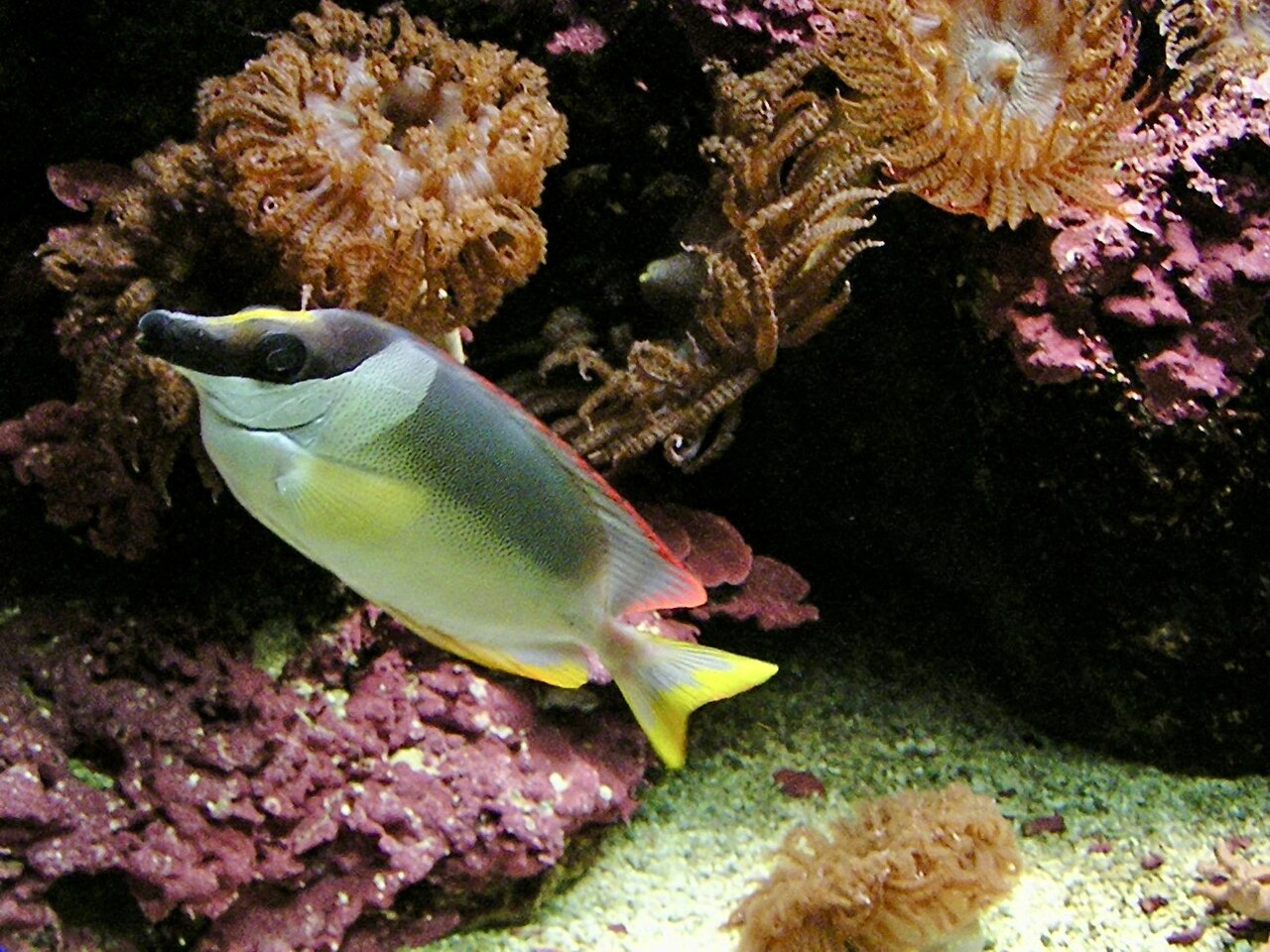
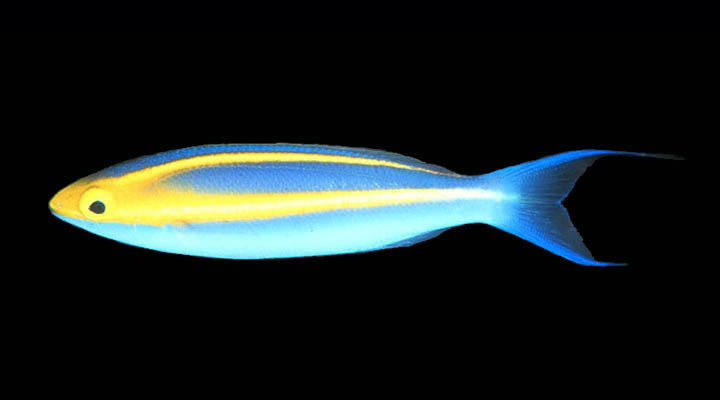
The Double Whiptail (Pentapodus emeryii) is a captivating species native to the coral reefs of the Indo-Pacific region. This marine fish is recognized for its elongated body and distinctive twin tails, which give it a unique aesthetic appeal. Typically displaying a blend of vibrant colors, including shades of yellow and blue, it stands out in any aquarium setting. The Double Whiptail can reach a maximum length of around 15 cm, making it an eye-catching addition to both home and commercial aquariums.
In terms of behavior, the Double Whiptail is generally a peaceful fish, preferring to inhabit areas with plenty of hiding spots and crevices among the coral. It is often observed in small groups, showcasing social behaviors that can be quite engaging for aquarists. This species tends to feed on small invertebrates and plankton found in the water column, which they skillfully capture using their specialized feeding adaptations.
The natural habitat of the Double Whiptail includes shallow coral reefs and lagoons, where they thrive in warm, clear waters. They are often found at depths of up to 30 meters, where they can dart in and out of coral formations, providing them with both food and shelter. Their preference for well-structured environments makes it essential to replicate these conditions in captivity for optimal health and behavior.
Overall, the Double Whiptail is not only a beautiful species but also an intriguing representation of reef biodiversity, making it a popular choice among aquarium enthusiasts and professionals alike.
In terms of behavior, the Double Whiptail is generally a peaceful fish, preferring to inhabit areas with plenty of hiding spots and crevices among the coral. It is often observed in small groups, showcasing social behaviors that can be quite engaging for aquarists. This species tends to feed on small invertebrates and plankton found in the water column, which they skillfully capture using their specialized feeding adaptations.
The natural habitat of the Double Whiptail includes shallow coral reefs and lagoons, where they thrive in warm, clear waters. They are often found at depths of up to 30 meters, where they can dart in and out of coral formations, providing them with both food and shelter. Their preference for well-structured environments makes it essential to replicate these conditions in captivity for optimal health and behavior.
Overall, the Double Whiptail is not only a beautiful species but also an intriguing representation of reef biodiversity, making it a popular choice among aquarium enthusiasts and professionals alike.
When caring for the Double Whiptail, it is crucial to maintain stable water parameters. The ideal temperature range for this species is between 24°C and 28°C, with a salinity level of 30-35 ppt. pH levels should be kept between 8.1 and 8.4 to mimic their natural habitat. A minimum tank size of 150 liters is recommended to provide ample swimming space and hiding spots.
Feeding should consist of a varied diet that includes high-quality marine flakes, pellets, and frozen foods such as mysis shrimp and brine shrimp. Ensuring a balanced diet will promote their health and vibrant coloration. The Double Whiptail is generally compatible with other peaceful fish species but should be monitored closely to prevent territorial disputes.
Acclimation is a critical process when introducing the Double Whiptail to a new environment. A slow drip acclimation method is recommended to help reduce stress. Additionally, a quarantine period of at least two weeks is advisable before introducing them to a community tank, helping to prevent the spread of potential diseases.
Feeding should consist of a varied diet that includes high-quality marine flakes, pellets, and frozen foods such as mysis shrimp and brine shrimp. Ensuring a balanced diet will promote their health and vibrant coloration. The Double Whiptail is generally compatible with other peaceful fish species but should be monitored closely to prevent territorial disputes.
Acclimation is a critical process when introducing the Double Whiptail to a new environment. A slow drip acclimation method is recommended to help reduce stress. Additionally, a quarantine period of at least two weeks is advisable before introducing them to a community tank, helping to prevent the spread of potential diseases.
The Double Whiptail is suitable for shipping due to its hardy nature, but care must be taken to avoid temperature fluctuations during transit. Packing density should be moderate to allow for adequate oxygen exchange. Ideal shipping temperatures should be maintained between 24°C and 26°C. Currently, there are no CITES restrictions on this species, making it a viable option for export.
Species Parameters
Max Adult Size
15.0 cm
Origin
Indo-Pacific
Diet
carnivore
Temp Min
24.0 °C
Temp Max
28.0 °C
Salinity Min
30.000
Salinity Max
35.000
pH Min
8.10
pH Max
8.40
Min Tank
150 L