Magnificent rabbitfish
siganus magnificus
In Stock
Common stock
Wild Caught
Moderate care
With Caution
SKU: ML-MF-0266
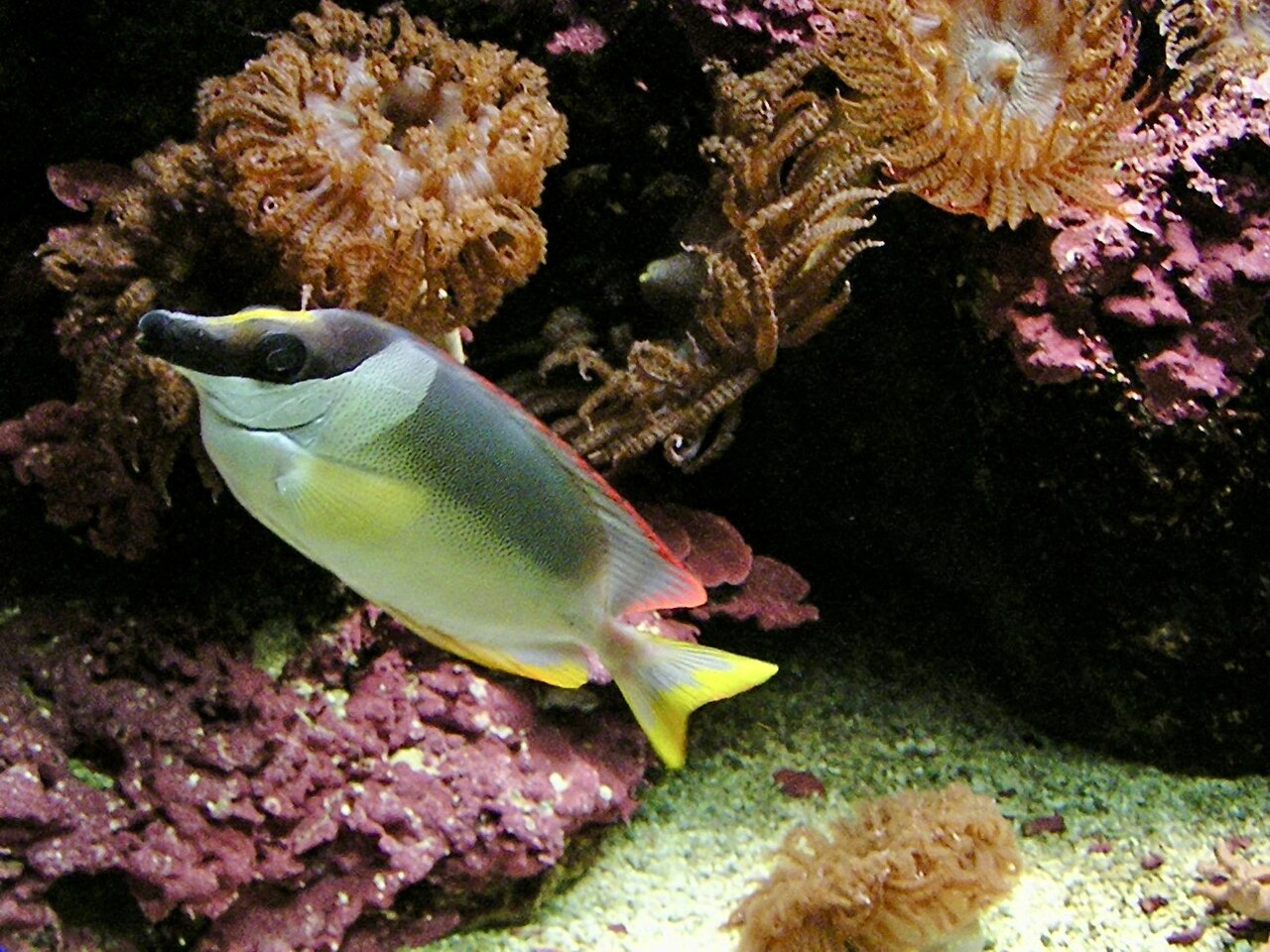
The Magnificent rabbitfish is known for its vibrant colors and unique body shape.
Pricing for Verified Importers
Log in to see wholesale prices and order.
Export Size
up to 30.0 cm
Origin
Indo-Pacific
Temperature
24.0–28.0°C
Min. Tank Size
200 L
Salinity
30.000–35.000 ppt
pH
8.10–8.40
Diet
herbivore
The Magnificent rabbitfish (Siganus magnificus) is a striking marine species native to the coral reefs of the Indo-Pacific region. This fish is easily recognized by its elongated body, vibrant yellow and blue coloration, and distinctive markings that can vary by individual. As an herbivorous fish, it plays a vital role in maintaining the health of coral reef systems by grazing on algae and helping to prevent algal blooms, which can be detrimental to coral health.
In terms of behavior, the Magnificent rabbitfish is generally peaceful but can exhibit territoriality, particularly during breeding seasons. They are social creatures often found in small groups, which allows them to engage in complex social interactions. Their natural habitat includes shallow coral reefs and lagoons, where they can find ample food sources and shelter from predators. These fish are known to be more active during the day when they forage for food and seek out safe hiding spots at night.
The breeding behavior of the Magnificent rabbitfish is fascinating; they engage in a unique courtship ritual that includes elaborate displays of color changes and body movements. This species is also capable of producing a mild toxin in their spines, which serves as a defense mechanism against potential predators. As a result, they should be handled with care when capturing or transporting.
Overall, the Magnificent rabbitfish is not only a visually appealing addition to any marine aquarium but also serves an essential ecological role in its natural habitat. Its presence in the aquarium trade helps raise awareness about the delicate balance of coral reef ecosystems, making it a valuable species for both hobbyists and conservationists alike.
In terms of behavior, the Magnificent rabbitfish is generally peaceful but can exhibit territoriality, particularly during breeding seasons. They are social creatures often found in small groups, which allows them to engage in complex social interactions. Their natural habitat includes shallow coral reefs and lagoons, where they can find ample food sources and shelter from predators. These fish are known to be more active during the day when they forage for food and seek out safe hiding spots at night.
The breeding behavior of the Magnificent rabbitfish is fascinating; they engage in a unique courtship ritual that includes elaborate displays of color changes and body movements. This species is also capable of producing a mild toxin in their spines, which serves as a defense mechanism against potential predators. As a result, they should be handled with care when capturing or transporting.
Overall, the Magnificent rabbitfish is not only a visually appealing addition to any marine aquarium but also serves an essential ecological role in its natural habitat. Its presence in the aquarium trade helps raise awareness about the delicate balance of coral reef ecosystems, making it a valuable species for both hobbyists and conservationists alike.
When caring for the Magnificent rabbitfish, it is crucial to maintain stable water parameters to ensure their health and well-being. Optimal water temperature ranges between 24°C and 28°C, with salinity levels between 30 and 35 ppt. The pH should be maintained between 8.1 and 8.4. A minimum tank size of 200 liters is recommended for these fish to thrive, providing enough space for swimming and establishing territories.
The diet of the Magnificent rabbitfish primarily consists of algae and plant material. Importers and retailers should provide a varied diet that includes high-quality herbivore pellets, blanched vegetables, and algae sheets to ensure proper nutrition. They are generally compatible with other peaceful marine species, though caution should be taken when introducing them to aggressive tank mates.
Acclimation is critical when introducing the Magnificent rabbitfish to a new environment. A slow acclimation process over several hours helps reduce stress and increases survival rates. Quarantine is also recommended for newly imported fish to prevent the spread of diseases. Regular observation during this period will help ensure that they are healthy and ready for introduction into a display tank.
The diet of the Magnificent rabbitfish primarily consists of algae and plant material. Importers and retailers should provide a varied diet that includes high-quality herbivore pellets, blanched vegetables, and algae sheets to ensure proper nutrition. They are generally compatible with other peaceful marine species, though caution should be taken when introducing them to aggressive tank mates.
Acclimation is critical when introducing the Magnificent rabbitfish to a new environment. A slow acclimation process over several hours helps reduce stress and increases survival rates. Quarantine is also recommended for newly imported fish to prevent the spread of diseases. Regular observation during this period will help ensure that they are healthy and ready for introduction into a display tank.
The Magnificent rabbitfish is suitable for shipping in well-oxygenated bags with adequate water volume to minimize stress. Packing density should be moderate, allowing space for movement while ensuring water quality is maintained during transit. These fish are somewhat temperature-sensitive; maintaining a stable temperature between 24°C and 28°C during shipping is crucial for their survival. Currently, there are no CITES restrictions on this species, facilitating its export.
Species Parameters
Max Adult Size
30.0 cm
Origin
Indo-Pacific
Diet
herbivore
Temp Min
24.0 °C
Temp Max
28.0 °C
Salinity Min
30.000
Salinity Max
35.000
pH Min
8.10
pH Max
8.40
Min Tank
200 L