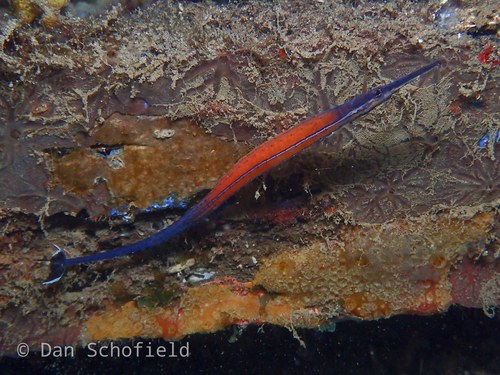
Janss' Pipe Fish
Doryrhamphus janssi
In Stock
Common stock
Wild Caught
Moderate care
With Caution
SKU: CB-MF-0384
Janss' Pipe Fish is a unique and captivating species, perfect for specialized marine aquariums.
Pricing for Verified Importers
Log in to see wholesale prices and order.
Export Size
up to 15.0 cm
Origin
Coral Triangle
Temperature
24.0–28.0°C
Min. Tank Size
100 L
Salinity
30.000–35.000 ppt
pH
8.10–8.40
Diet
carnivore
Janss' Pipe Fish (Doryrhamphus janssi) is a slender, elongated marine fish known for its intriguing appearance and unique adaptations. This species typically exhibits a vibrant coloration, which can range from bright yellows to greens and blues, helping it blend seamlessly into its coral reef habitats. The elongated body structure of Janss' Pipe Fish allows it to navigate through narrow crevices in the reef, where it seeks shelter from predators and ambushes its prey. Its distinctive snout is specially adapted for feeding on small crustaceans and zooplankton in the water column.
In terms of natural history, Janss' Pipe Fish is predominantly found in shallow, warm waters of the Coral Triangle, particularly around coral reefs and seagrass beds. The species is often seen in pairs or small groups, exhibiting a fascinating social behavior where they engage in synchronized swimming and courtship displays. Their unique form and coloration also serve as a visual cue for potential mates during breeding seasons.
Janss' Pipe Fish play an essential role in their ecosystem by helping to control populations of small invertebrates. Their presence in the reef environment contributes to the overall health of coral ecosystems, as they feed on organisms that can otherwise become overly abundant. As such, they are considered indicators of reef health, making their conservation vital.
Due to their captivating appearance and engaging behavior, Janss' Pipe Fish have gained popularity among aquarium enthusiasts, making them a sought-after species for marine aquariums worldwide. Their unique adaptations and ecological significance make them not only an attractive addition to any collection but also a vital part of marine biodiversity.
In terms of natural history, Janss' Pipe Fish is predominantly found in shallow, warm waters of the Coral Triangle, particularly around coral reefs and seagrass beds. The species is often seen in pairs or small groups, exhibiting a fascinating social behavior where they engage in synchronized swimming and courtship displays. Their unique form and coloration also serve as a visual cue for potential mates during breeding seasons.
Janss' Pipe Fish play an essential role in their ecosystem by helping to control populations of small invertebrates. Their presence in the reef environment contributes to the overall health of coral ecosystems, as they feed on organisms that can otherwise become overly abundant. As such, they are considered indicators of reef health, making their conservation vital.
Due to their captivating appearance and engaging behavior, Janss' Pipe Fish have gained popularity among aquarium enthusiasts, making them a sought-after species for marine aquariums worldwide. Their unique adaptations and ecological significance make them not only an attractive addition to any collection but also a vital part of marine biodiversity.
To ensure the health and well-being of Janss' Pipe Fish, it is crucial to maintain optimal water parameters. The ideal temperature range for this species is between 24°C to 28°C, with a salinity level of 30 to 35 ppt. Regular monitoring of pH levels is also essential, with the recommended range being between 8.1 and 8.4. A well-aerated environment with stable water conditions is vital for their long-term health.
Feeding Janss' Pipe Fish requires a diet rich in small live foods such as brine shrimp, copepods, and finely chopped mysis shrimp. They may also accept high-quality frozen foods designed for marine fish. Regular feeding, ideally several times a day, is recommended to mimic their natural feeding behaviors.
In terms of compatibility, Janss' Pipe Fish generally do well in peaceful community tanks with other non-aggressive species. However, caution should be exercised with larger or more boisterous tank mates that may outcompete them for food or harass them. Acclimation should be done gradually, allowing them to adapt to their new environment with minimal stress.
Quarantine procedures are highly recommended before introducing Janss' Pipe Fish into a display tank, as they can be susceptible to various marine pathogens. A quarantine period of 2-4 weeks will help ensure that the fish is healthy and free from disease.
Feeding Janss' Pipe Fish requires a diet rich in small live foods such as brine shrimp, copepods, and finely chopped mysis shrimp. They may also accept high-quality frozen foods designed for marine fish. Regular feeding, ideally several times a day, is recommended to mimic their natural feeding behaviors.
In terms of compatibility, Janss' Pipe Fish generally do well in peaceful community tanks with other non-aggressive species. However, caution should be exercised with larger or more boisterous tank mates that may outcompete them for food or harass them. Acclimation should be done gradually, allowing them to adapt to their new environment with minimal stress.
Quarantine procedures are highly recommended before introducing Janss' Pipe Fish into a display tank, as they can be susceptible to various marine pathogens. A quarantine period of 2-4 weeks will help ensure that the fish is healthy and free from disease.
Janss' Pipe Fish are suitable for shipping under controlled conditions. It is important to pack them in breathable bags with adequate water and oxygen supply. Ideal packing density should be low to minimize stress during transport. They are sensitive to temperature fluctuations; thus, maintaining a stable transport temperature between 24°C and 26°C is crucial. As of now, Janss' Pipe Fish are not listed under CITES, but it is important to ensure compliance with local regulations during export.
Species Parameters
Max Adult Size
15.0 cm
Origin
Coral Triangle
Diet
carnivore
Temp Min
24.0 °C
Temp Max
28.0 °C
Salinity Min
30.000
Salinity Max
35.000
pH Min
8.10
pH Max
8.40
Min Tank
100 L