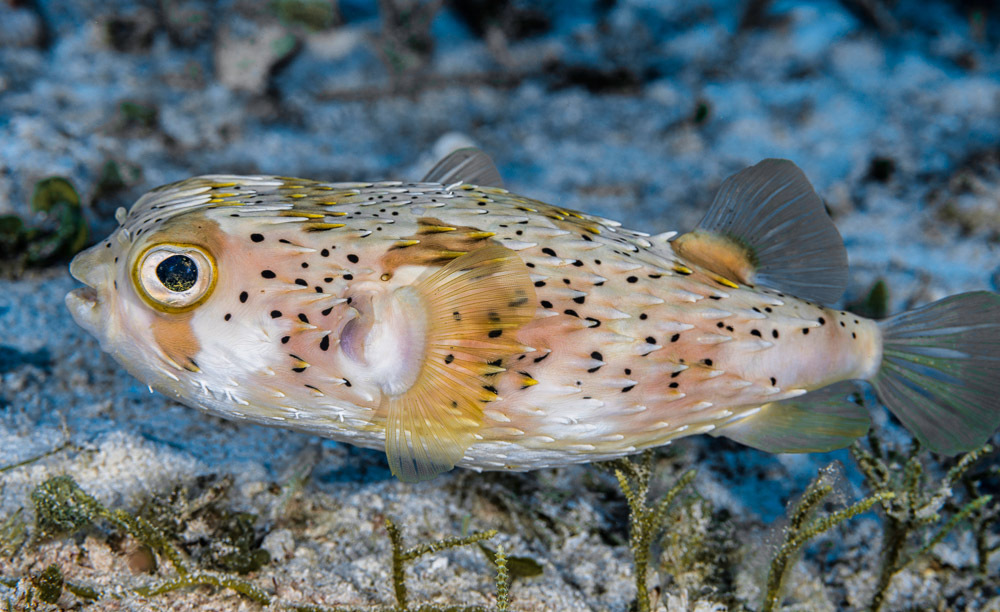
Longspined porcupinefish/Ballon Fish
diodon holocanthus
In Stock
Common stock
Wild Caught
Moderate care
With Caution
SKU: ML-MF-0255
The Longspined porcupinefish is a captivating marine species known for its unique spiny appearance and playful behavior.
Pricing for Verified Importers
Log in to see wholesale prices and order.
Export Size
up to 76.0 cm
Origin
Indo-Pacific
Temperature
24.0–28.0°C
Min. Tank Size
200 L
Salinity
35.000–35.000 ppt
pH
8.10–8.40
Diet
carnivore
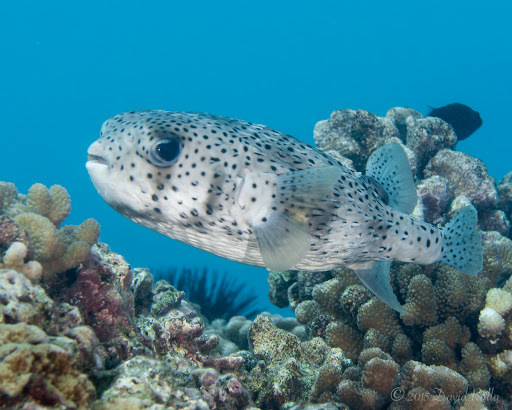
The Longspined porcupinefish (Diodon holocanthus) is a fascinating marine fish found primarily in the warm waters of the Indo-Pacific region. This species is notable for its distinct body shape, which can inflate significantly when threatened, showcasing its spiny exterior. Its spines are actually modified scales that provide an additional layer of protection against predators. With its large, expressive eyes and mottled coloration, it offers a striking appearance that appeals to aquarium enthusiasts.
In terms of natural history, the Longspined porcupinefish typically inhabits shallow coastal waters, including coral reefs, lagoons, and rocky outcrops. This species is often found at depths of up to 30 meters, where it can forage for food among the crevices of the reef. Its diet consists mainly of hard-shelled invertebrates, including mollusks and crustaceans, which it adeptly crushes with its strong beak-like teeth.
Behaviorally, the Longspined porcupinefish is known for its curious and playful nature. It can often be seen swimming gracefully through the water, using its pectoral fins for propulsion. This species tends to be solitary but may form loose aggregations during the breeding season. Its defensive inflation behavior not only deters predators but also plays a role in its social interactions.
The habitat of the Longspined porcupinefish is crucial to its survival, as it relies on healthy coral reefs for both food and shelter. As a reef-associated species, it is sensitive to habitat degradation and environmental changes, which makes conservation efforts essential for its continued presence in the wild.
In terms of natural history, the Longspined porcupinefish typically inhabits shallow coastal waters, including coral reefs, lagoons, and rocky outcrops. This species is often found at depths of up to 30 meters, where it can forage for food among the crevices of the reef. Its diet consists mainly of hard-shelled invertebrates, including mollusks and crustaceans, which it adeptly crushes with its strong beak-like teeth.
Behaviorally, the Longspined porcupinefish is known for its curious and playful nature. It can often be seen swimming gracefully through the water, using its pectoral fins for propulsion. This species tends to be solitary but may form loose aggregations during the breeding season. Its defensive inflation behavior not only deters predators but also plays a role in its social interactions.
The habitat of the Longspined porcupinefish is crucial to its survival, as it relies on healthy coral reefs for both food and shelter. As a reef-associated species, it is sensitive to habitat degradation and environmental changes, which makes conservation efforts essential for its continued presence in the wild.
When considering the Longspined porcupinefish for import and retail, it's essential to maintain optimal water parameters to ensure its health. The ideal temperature range is between 24°C and 28°C, with a salinity level of 1.020 to 1.025 ppt. A pH level between 8.1 and 8.4 is recommended. Importers should provide a minimum tank size of 200 liters to accommodate this species effectively, ensuring ample swimming space.
Feeding the Longspined porcupinefish requires a diet rich in protein, primarily consisting of carnivorous foods such as shrimp, crabs, and other shellfish. It's important to offer a varied diet to meet its nutritional needs. Compatibility with tank mates should be approached with caution, as this species can be territorial and may exhibit aggression towards smaller or similarly shaped fish.
Acclimation is a critical process when introducing the Longspined porcupinefish to a new environment. A slow acclimation method is recommended to allow the fish to adjust to water chemistry changes. Quarantine procedures should also be implemented to prevent the introduction of diseases into the main aquarium, as this species can be susceptible to various pathogens.
Feeding the Longspined porcupinefish requires a diet rich in protein, primarily consisting of carnivorous foods such as shrimp, crabs, and other shellfish. It's important to offer a varied diet to meet its nutritional needs. Compatibility with tank mates should be approached with caution, as this species can be territorial and may exhibit aggression towards smaller or similarly shaped fish.
Acclimation is a critical process when introducing the Longspined porcupinefish to a new environment. A slow acclimation method is recommended to allow the fish to adjust to water chemistry changes. Quarantine procedures should also be implemented to prevent the introduction of diseases into the main aquarium, as this species can be susceptible to various pathogens.
The Longspined porcupinefish is suitable for shipping, provided that proper care is taken during transit. Packing density should be moderate to allow for adequate water circulation and oxygenation. Temperature sensitivity requires maintaining water temperatures between 24°C and 28°C during shipping. This species is not currently listed under CITES, making export regulations less stringent.
Species Parameters
Max Adult Size
76.0 cm
Origin
Indo-Pacific
Diet
carnivore
Temp Min
24.0 °C
Temp Max
28.0 °C
Salinity Min
35.000
Salinity Max
35.000
pH Min
8.10
pH Max
8.40
Min Tank
200 L