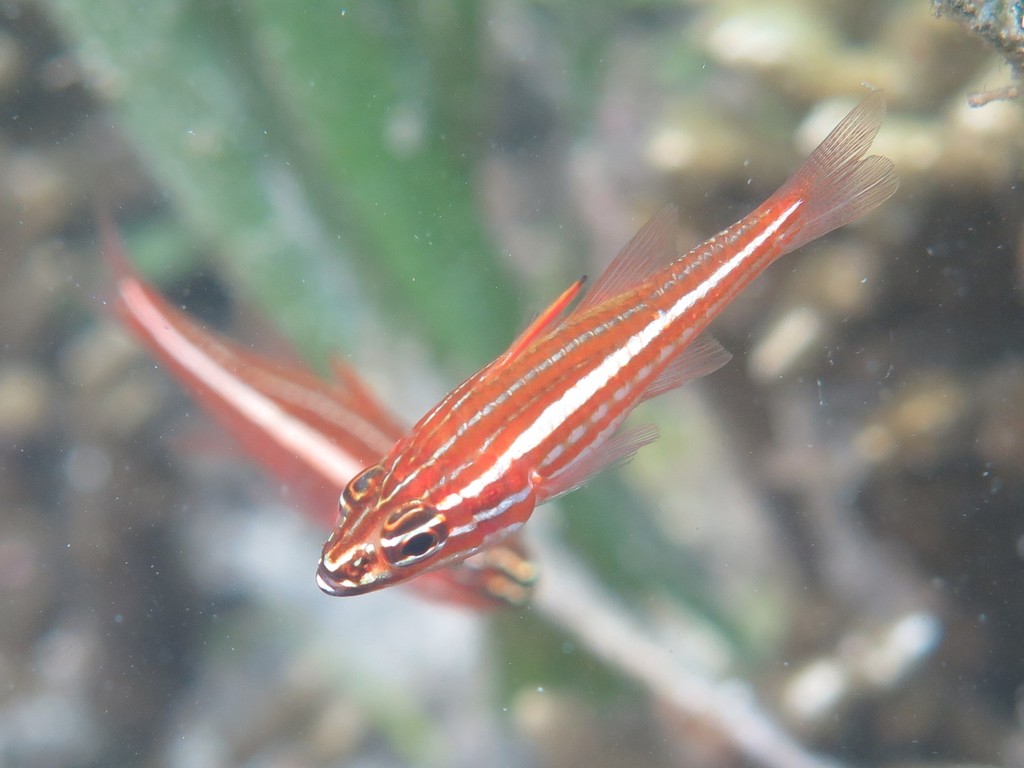
Red-striped Cardinalfish
ostorhinchus margaritophorus
In Stock
Common stock
Wild Caught
Moderate care
With Caution
SKU: ML-MF-0180
The Red-striped Cardinalfish radiates vibrant colors, making it a captivating addition to marine aquariums.
Pricing for Verified Importers
Log in to see wholesale prices and order.
Export Size
up to 10.0 cm
Origin
Indo-Pacific
Temperature
24.0–28.0°C
Min. Tank Size
100 L
Salinity
1.020–1.025 ppt
pH
7.80–8.40
Diet
omnivore
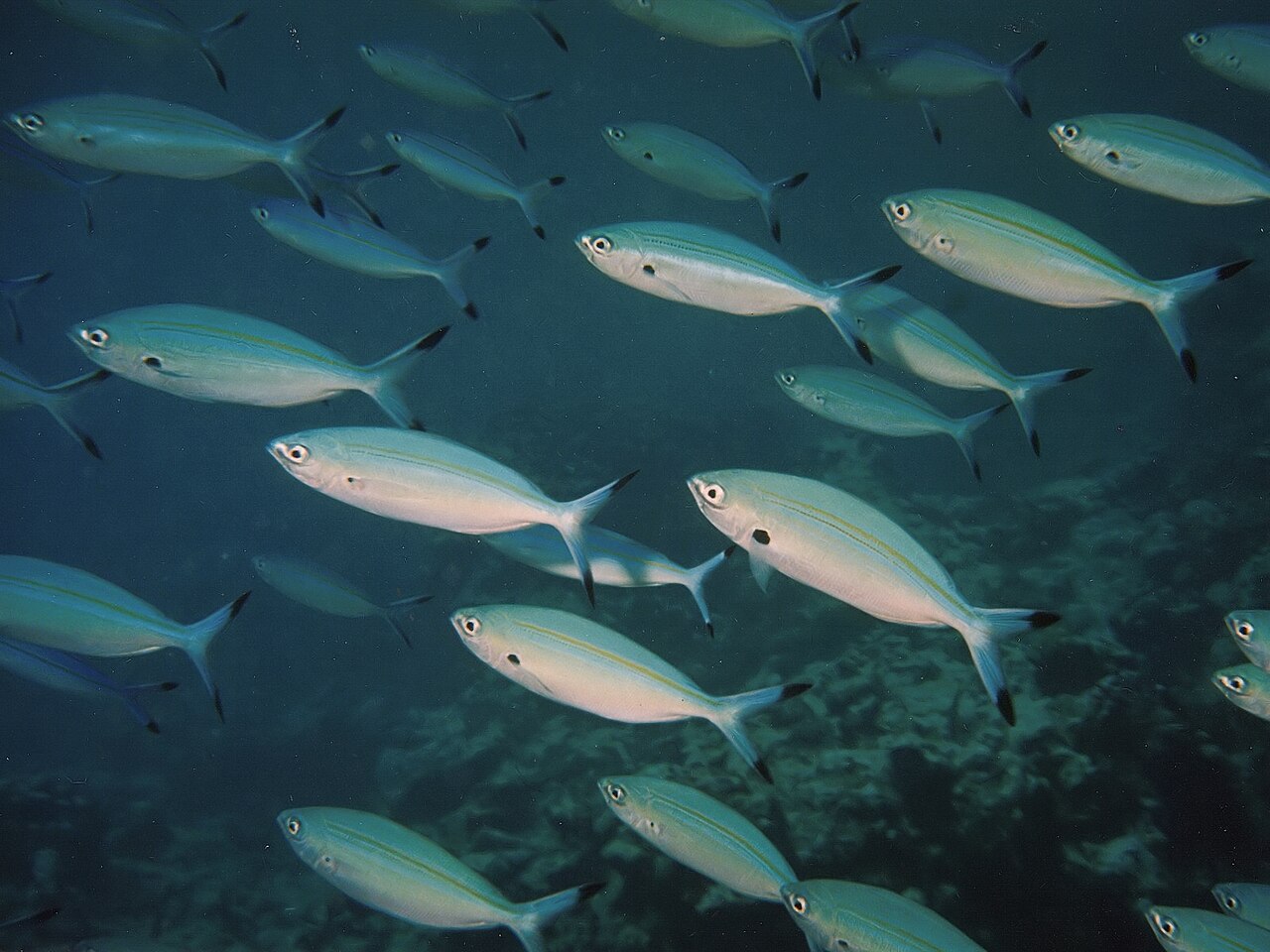
The Red-striped Cardinalfish (Ostorhinchus margaritophorus) is a striking marine species native to the coral reefs of the Indo-Pacific region. This small fish is characterized by its elongated body adorned with vivid red stripes and a shimmering silver body, which contributes to its visual appeal. Adult individuals typically reach a maximum size of around 10 cm, making them suitable for a variety of aquarium sizes. Their unique coloration not only enhances their aesthetic value but also plays a role in their communication and mating displays among conspecifics.
In their natural habitat, Red-striped Cardinalfish are commonly found in shallow waters, often near coral structures where they seek shelter from predators. They are known to inhabit both reef slopes and lagoons, preferring areas rich in coral and rocky substrates. This species is nocturnal, actively foraging for food during the night and retreating into crevices during the day. Their social behavior is fascinating; they often form small schools, providing safety in numbers while they explore their surroundings.
Behaviorally, these fish exhibit a peaceful temperament, making them ideal for community tanks. They communicate using subtle body movements and color changes, which can be particularly interesting for aquarists to observe. Their feeding habits consist primarily of small zooplankton, making them opportunistic feeders that will adapt to various dietary options in captivity. Understanding their natural history can greatly enhance their care within an aquarium setting.
Overall, the Red-striped Cardinalfish is not only visually stunning but also offers intriguing behavioral traits that can enrich the aquarium experience. Their adaptability and peaceful nature make them a sought-after species for both importers and hobbyists alike.
In their natural habitat, Red-striped Cardinalfish are commonly found in shallow waters, often near coral structures where they seek shelter from predators. They are known to inhabit both reef slopes and lagoons, preferring areas rich in coral and rocky substrates. This species is nocturnal, actively foraging for food during the night and retreating into crevices during the day. Their social behavior is fascinating; they often form small schools, providing safety in numbers while they explore their surroundings.
Behaviorally, these fish exhibit a peaceful temperament, making them ideal for community tanks. They communicate using subtle body movements and color changes, which can be particularly interesting for aquarists to observe. Their feeding habits consist primarily of small zooplankton, making them opportunistic feeders that will adapt to various dietary options in captivity. Understanding their natural history can greatly enhance their care within an aquarium setting.
Overall, the Red-striped Cardinalfish is not only visually stunning but also offers intriguing behavioral traits that can enrich the aquarium experience. Their adaptability and peaceful nature make them a sought-after species for both importers and hobbyists alike.
For optimal care, the Red-striped Cardinalfish thrives in well-maintained marine environments. Ideal water parameters include a temperature range of 24-28°C, pH between 7.8-8.4, and salinity levels of 1.020-1.025 ppt. It is important to monitor these conditions regularly to ensure the health and well-being of the fish. This species is considered easy to feed, accepting a varied diet of high-quality flake food, frozen brine shrimp, and other small marine foods.
In terms of compatibility, the Red-striped Cardinalfish is known for its peaceful demeanor and can cohabitate with a variety of other marine species. However, it is advisable to avoid housing them with overly aggressive fish that may intimidate or harass them. Acclimation should be approached carefully; gradual introduction into the aquarium environment is essential to minimize stress. A drip acclimation method is recommended to help them adjust to the new water conditions effectively.
Quarantine procedures are also important for new arrivals to prevent the spread of diseases. A separate tank setup for at least two weeks allows for observation and treatment of any potential health issues before introducing them into the main display tank. With proper care and attention, the Red-striped Cardinalfish can thrive and bring vibrant life to marine aquariums.
In terms of compatibility, the Red-striped Cardinalfish is known for its peaceful demeanor and can cohabitate with a variety of other marine species. However, it is advisable to avoid housing them with overly aggressive fish that may intimidate or harass them. Acclimation should be approached carefully; gradual introduction into the aquarium environment is essential to minimize stress. A drip acclimation method is recommended to help them adjust to the new water conditions effectively.
Quarantine procedures are also important for new arrivals to prevent the spread of diseases. A separate tank setup for at least two weeks allows for observation and treatment of any potential health issues before introducing them into the main display tank. With proper care and attention, the Red-striped Cardinalfish can thrive and bring vibrant life to marine aquariums.
The Red-striped Cardinalfish is suitable for shipping due to its hardy nature. When packaging, ensure a density of 5-10 fish per liter of water, utilizing insulated boxes to maintain stable temperatures during transit. They are sensitive to extreme temperature fluctuations, so maintaining a shipping temperature of 22-26°C is recommended. This species is not listed under CITES, allowing for easier export regulations.
Species Parameters
Max Adult Size
10.0 cm
Origin
Indo-Pacific
Diet
omnivore
Temp Min
24.0 °C
Temp Max
28.0 °C
Salinity Min
1.020
Salinity Max
1.025
pH Min
7.80
pH Max
8.40
Min Tank
100 L