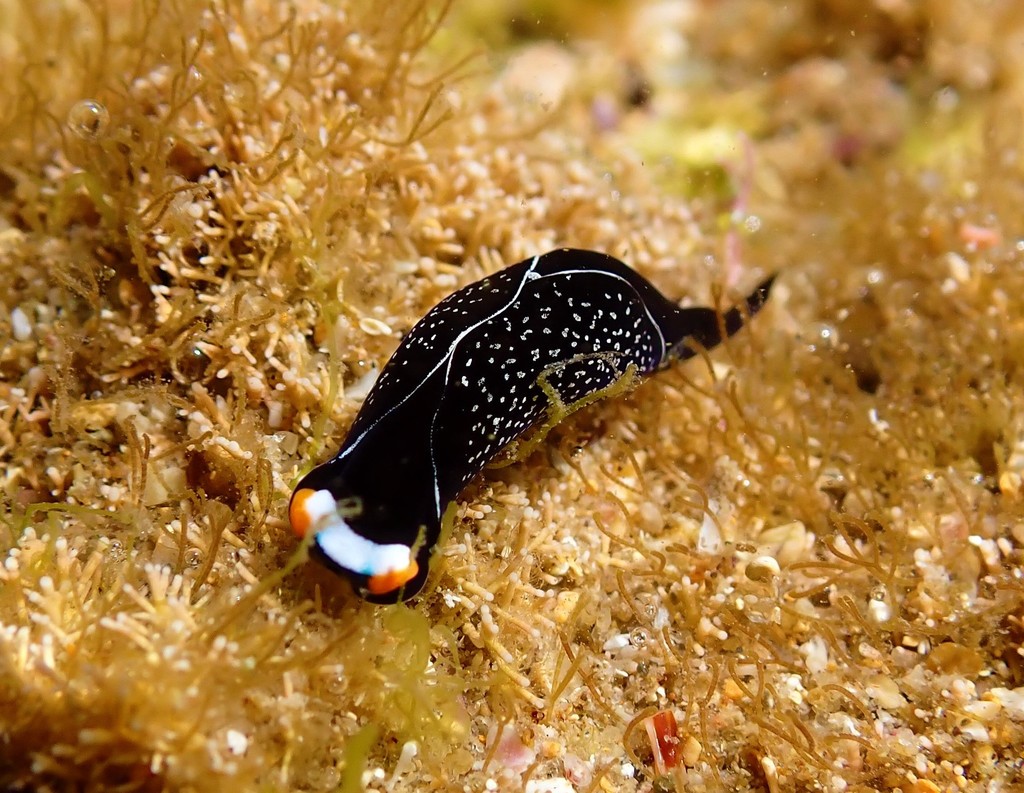
Sea Grass
thalassodendron sp.
In Stock
Common stock
Wild Caught
Moderate care
With Caution
SKU: ML-MF-0577
Discover the unique beauty of Sea Grass (thalassodendron sp.) from Bali's vibrant marine ecosystems.
Pricing for Verified Importers
Log in to see wholesale prices and order.
Export Size
up to 30.0 cm
Origin
Coral Triangle
Temperature
20.0–28.0°C
Salinity
30.000–35.000 ppt
pH
7.50–8.50
Thalassodendron sp., commonly known as Sea Grass, is a vital marine plant species found in the warm waters of the Coral Triangle, particularly around Bali, Indonesia. These seagrasses play a crucial role in marine ecosystems, providing habitat and food for various marine organisms. Their extensive root systems stabilize sediments and improve water quality, making them an essential component of coastal health.
In terms of appearance, Sea Grass features long, ribbon-like leaves that can grow up to 30 centimeters in length. The leaves are a vibrant green, contributing to the underwater landscape's aesthetic appeal. Under ideal conditions, Sea Grass can form dense meadows on the ocean floor, creating a unique underwater habitat that supports diverse marine life.
Behaviorally, Sea Grass thrives in shallow waters, often found in areas with sandy or muddy substrates. It prefers locations with sufficient sunlight for photosynthesis, typically in depths of up to 10 meters. The plant's growth is influenced by water temperature, salinity, and light availability, making it sensitive to environmental changes. Sea Grass meadows serve as nursery grounds for juvenile fish and invertebrates, playing a critical role in the life cycles of numerous marine species.
The habitat of Thalassodendron sp. is not only essential for marine biodiversity but also provides ecosystem services such as carbon sequestration and coastal protection. As a result, conservation efforts are increasingly focused on preserving these vital seagrass habitats, highlighting their importance in maintaining ecological balance and supporting sustainable fisheries.
In terms of appearance, Sea Grass features long, ribbon-like leaves that can grow up to 30 centimeters in length. The leaves are a vibrant green, contributing to the underwater landscape's aesthetic appeal. Under ideal conditions, Sea Grass can form dense meadows on the ocean floor, creating a unique underwater habitat that supports diverse marine life.
Behaviorally, Sea Grass thrives in shallow waters, often found in areas with sandy or muddy substrates. It prefers locations with sufficient sunlight for photosynthesis, typically in depths of up to 10 meters. The plant's growth is influenced by water temperature, salinity, and light availability, making it sensitive to environmental changes. Sea Grass meadows serve as nursery grounds for juvenile fish and invertebrates, playing a critical role in the life cycles of numerous marine species.
The habitat of Thalassodendron sp. is not only essential for marine biodiversity but also provides ecosystem services such as carbon sequestration and coastal protection. As a result, conservation efforts are increasingly focused on preserving these vital seagrass habitats, highlighting their importance in maintaining ecological balance and supporting sustainable fisheries.
For importers and retailers, maintaining optimal conditions for Sea Grass (thalassodendron sp.) is vital for its health and growth. The ideal water parameters include a temperature range of 20-28°C, with a salinity level between 30-35 ppt. Maintaining a stable pH between 7.5 and 8.5 is also essential for promoting healthy growth.
Feeding Sea Grass is primarily through photosynthesis, so ensuring adequate light exposure is crucial, typically requiring full-spectrum lighting for at least 10-12 hours a day. In addition, nutrient-rich substrates will enhance growth and vitality. Compatibility with marine species is generally favorable, as many fish and invertebrates benefit from the habitat and food provided by seagrass meadows.
Acclimation should be done slowly to minimize stress; introduce Sea Grass to the aquarium gradually over a few hours. Quarantine procedures are recommended to prevent the introduction of pests or diseases into your main systems. Regular monitoring of water quality and substrate conditions will help ensure a thriving environment for Sea Grass.
Feeding Sea Grass is primarily through photosynthesis, so ensuring adequate light exposure is crucial, typically requiring full-spectrum lighting for at least 10-12 hours a day. In addition, nutrient-rich substrates will enhance growth and vitality. Compatibility with marine species is generally favorable, as many fish and invertebrates benefit from the habitat and food provided by seagrass meadows.
Acclimation should be done slowly to minimize stress; introduce Sea Grass to the aquarium gradually over a few hours. Quarantine procedures are recommended to prevent the introduction of pests or diseases into your main systems. Regular monitoring of water quality and substrate conditions will help ensure a thriving environment for Sea Grass.
Sea Grass (thalassodendron sp.) is suitable for shipping under controlled conditions. It is important to pack the plants in moist, breathable materials to prevent desiccation. Shipping density should be moderate to allow for adequate light and airflow during transit. Temperature during shipping should be maintained between 20-25°C to ensure plant vitality. Currently, there are no restrictions under CITES for this species, making it easier for exporters to handle.
Species Parameters
Max Adult Size
30.0 cm
Origin
Coral Triangle
Temp Min
20.0 °C
Temp Max
28.0 °C
Salinity Min
30.000
Salinity Max
35.000
pH Min
7.50
pH Max
8.50