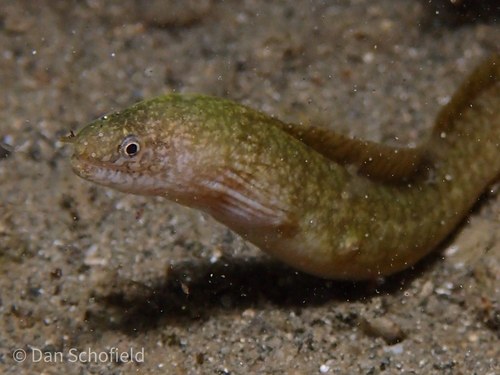
Spotted-lip Moray
Gymnothorax richardsoni
In Stock
Common stock
Wild Caught
Moderate care
With Caution
SKU: CB-MF-0387
Discover the unique Spotted-lip Moray, a stunning marine fish from Bali's vibrant reefs.
Pricing for Verified Importers
Log in to see wholesale prices and order.
Export Size
up to 90.0 cm
Origin
Coral Triangle
Temperature
24.0–28.0°C
Min. Tank Size
300 L
Salinity
30.000–35.000 ppt
pH
8.10–8.40
Diet
carnivore
The Spotted-lip Moray (Gymnothorax richardsoni) is a fascinating marine species known for its distinctively patterned lips and elongated body. This species can be recognized by its mottled coloration, which typically features shades of brown and yellow, providing excellent camouflage among the rocky crevices of its natural habitat. Adult morays can reach a maximum length of approximately 90 cm, making them a striking presence in any aquarium setup.
Spotted-lip Morays are primarily found in the warm, shallow waters of the Coral Triangle, where they inhabit rocky reefs and sandy substrates. These morays prefer environments with plenty of hiding spots, such as crevices and caves, which they use to ambush prey. Their nocturnal behavior makes them more active during the night, when they venture out to hunt, feeding primarily on smaller fish and crustaceans.
In terms of behavior, the Spotted-lip Moray is known to be somewhat shy, often retreating into its hideouts when disturbed. However, they can display curious traits, especially when acclimated to their environment. They are also known to exhibit territorial behavior, particularly during breeding seasons, which can lead to interactions with other morays in the vicinity. Observing these behaviors can be a rewarding experience for aquarists.
Overall, the Spotted-lip Moray adds a dynamic element to marine aquariums, both visually and behaviorally, making it a sought-after species for collectors and enthusiasts alike.
Spotted-lip Morays are primarily found in the warm, shallow waters of the Coral Triangle, where they inhabit rocky reefs and sandy substrates. These morays prefer environments with plenty of hiding spots, such as crevices and caves, which they use to ambush prey. Their nocturnal behavior makes them more active during the night, when they venture out to hunt, feeding primarily on smaller fish and crustaceans.
In terms of behavior, the Spotted-lip Moray is known to be somewhat shy, often retreating into its hideouts when disturbed. However, they can display curious traits, especially when acclimated to their environment. They are also known to exhibit territorial behavior, particularly during breeding seasons, which can lead to interactions with other morays in the vicinity. Observing these behaviors can be a rewarding experience for aquarists.
Overall, the Spotted-lip Moray adds a dynamic element to marine aquariums, both visually and behaviorally, making it a sought-after species for collectors and enthusiasts alike.
To successfully care for Spotted-lip Morays in an aquarium setting, it is essential to maintain stable water parameters. The ideal temperature range is between 24°C to 28°C, with a salinity level of 30-35 ppt. A pH level between 8.1 and 8.4 is optimal for their health. A minimum tank size of 300 liters is recommended to provide ample swimming space and hiding spots.
Feeding these morays requires a diet rich in protein, consisting of high-quality meaty foods such as shrimp, fish fillets, and specialized moray diets. It is important to feed them in the evening to align with their nocturnal feeding habits. Compatibility with other species should be approached with caution, as they may exhibit aggressive behaviors towards smaller fish or similar-sized morays.
Acclimation is crucial for the Spotted-lip Moray, as they can be sensitive to changes in water quality. A slow acclimation process over several hours is recommended to reduce stress. Quarantine new arrivals for at least two weeks to monitor for any signs of disease before introducing them to a display tank. Regular water quality checks, along with a varied diet, will ensure the health and longevity of this captivating species.
Feeding these morays requires a diet rich in protein, consisting of high-quality meaty foods such as shrimp, fish fillets, and specialized moray diets. It is important to feed them in the evening to align with their nocturnal feeding habits. Compatibility with other species should be approached with caution, as they may exhibit aggressive behaviors towards smaller fish or similar-sized morays.
Acclimation is crucial for the Spotted-lip Moray, as they can be sensitive to changes in water quality. A slow acclimation process over several hours is recommended to reduce stress. Quarantine new arrivals for at least two weeks to monitor for any signs of disease before introducing them to a display tank. Regular water quality checks, along with a varied diet, will ensure the health and longevity of this captivating species.
Spotted-lip Morays are suitable for shipping, provided they are packed securely with adequate water and oxygen. Ideal packing density should not exceed one moray per 10 liters to minimize stress during transit. They are sensitive to temperature fluctuations, requiring a stable environment between 24°C and 28°C during shipping. As of now, Gymnothorax richardsoni is not listed under CITES, making export straightforward. Proper care during shipping is essential to ensure their survival and health.
Species Parameters
Max Adult Size
90.0 cm
Origin
Coral Triangle
Diet
carnivore
Temp Min
24.0 °C
Temp Max
28.0 °C
Salinity Min
30.000
Salinity Max
35.000
pH Min
8.10
pH Max
8.40
Min Tank
300 L