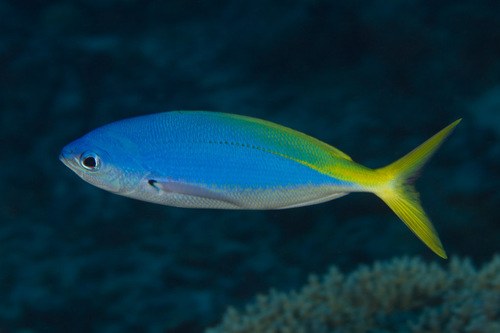
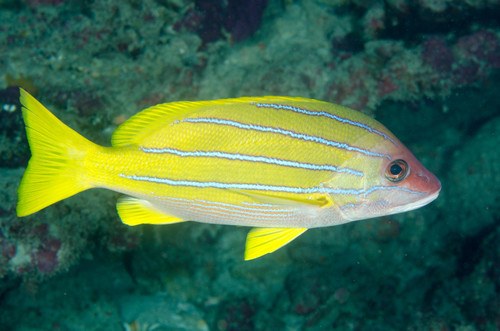
Bluestriped Snapper
Lutjanus kasmira
In Stock
Common stock
Wild Caught
Moderate care
With Caution
SKU: CB-MF-0355
The Bluestriped Snapper boasts stunning coloration and is a sought-after species for marine aquarium enthusiasts.
Pricing for Verified Importers
Log in to see wholesale prices and order.
Export Size
up to 30.0 cm
Origin
Indo-Pacific
Temperature
24.0–28.0°C
Min. Tank Size
200 L
Salinity
1.020–1.025 ppt
pH
8.10–8.40
Diet
carnivore
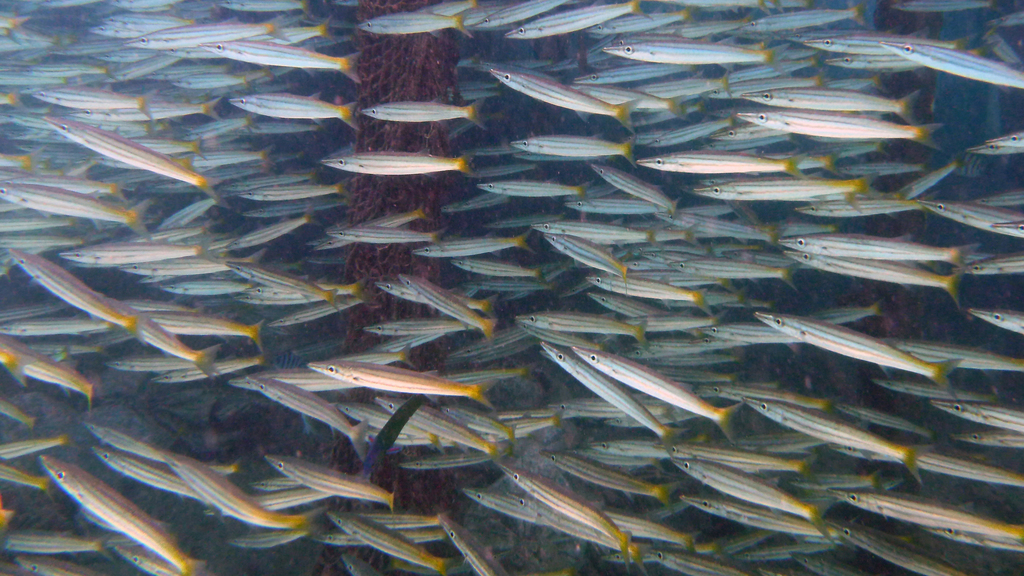
The Bluestriped Snapper (Lutjanus kasmira) is a vibrant marine fish native to the coral reefs of the Indo-Pacific region. Known for its striking blue stripes that run along its body, this species is not only visually appealing but also plays a significant role in the ecological balance of its habitat. Adult Bluestriped Snappers typically exhibit a silver body adorned with distinct blue lines, which serve as a form of camouflage among the reef structures, helping them evade predators while hunting for smaller fish and invertebrates.
In terms of behavior, the Bluestriped Snapper is a social fish that often forms small schools, particularly in juvenile stages. As they mature, they may become territorial, especially during breeding seasons. They are primarily carnivorous, preying on smaller fish and crustaceans, making them effective predators in their ecosystem. Their dynamic swimming patterns and inquisitive nature make them fascinating to observe in both the wild and in aquariums.
Bluestriped Snappers are typically found in shallow reef environments, often inhabiting areas rich in coral and rocky substrates. Their preference for warmer waters and specific reef structures means they thrive in environments with ample hiding spots and abundant food sources. This habitat preference not only underscores their ecological importance but also enhances their appeal to aquarium enthusiasts looking to replicate a vibrant marine ecosystem.
Overall, the Bluestriped Snapper's captivating appearance and interesting behaviors make it a popular choice for marine aquarists, while its ecological role highlights its importance in maintaining the health of reef systems.
In terms of behavior, the Bluestriped Snapper is a social fish that often forms small schools, particularly in juvenile stages. As they mature, they may become territorial, especially during breeding seasons. They are primarily carnivorous, preying on smaller fish and crustaceans, making them effective predators in their ecosystem. Their dynamic swimming patterns and inquisitive nature make them fascinating to observe in both the wild and in aquariums.
Bluestriped Snappers are typically found in shallow reef environments, often inhabiting areas rich in coral and rocky substrates. Their preference for warmer waters and specific reef structures means they thrive in environments with ample hiding spots and abundant food sources. This habitat preference not only underscores their ecological importance but also enhances their appeal to aquarium enthusiasts looking to replicate a vibrant marine ecosystem.
Overall, the Bluestriped Snapper's captivating appearance and interesting behaviors make it a popular choice for marine aquarists, while its ecological role highlights its importance in maintaining the health of reef systems.
For optimal care of Bluestriped Snappers, it is crucial to maintain stable water parameters. The ideal temperature range is between 24°C to 28°C, with a salinity of 1.020 to 1.025 ppt. pH levels should be kept between 8.1 and 8.4 to mimic their natural reef environment. These fish thrive in well-filtered tanks with plenty of open swimming space and hiding spots, such as live rock or coral structures.
Feeding Bluestriped Snappers is straightforward, as they are predominantly carnivorous. A varied diet consisting of high-quality frozen or live foods, such as shrimp, small fish, and other meaty offerings, will ensure their health and coloration. It's important to feed them several small meals throughout the day rather than one large feeding to prevent digestive issues.
Compatibility is generally good with other marine species; however, caution should be exercised when introducing them to smaller or less aggressive fish, as the Bluestriped Snapper may display predatory behavior. Acclimation should be gradual to avoid stress, with the fish introduced to the new environment slowly over a period of several hours. Quarantine new arrivals for a minimum of two weeks to monitor for any signs of disease before introducing them to the main tank.
Feeding Bluestriped Snappers is straightforward, as they are predominantly carnivorous. A varied diet consisting of high-quality frozen or live foods, such as shrimp, small fish, and other meaty offerings, will ensure their health and coloration. It's important to feed them several small meals throughout the day rather than one large feeding to prevent digestive issues.
Compatibility is generally good with other marine species; however, caution should be exercised when introducing them to smaller or less aggressive fish, as the Bluestriped Snapper may display predatory behavior. Acclimation should be gradual to avoid stress, with the fish introduced to the new environment slowly over a period of several hours. Quarantine new arrivals for a minimum of two weeks to monitor for any signs of disease before introducing them to the main tank.
Bluestriped Snappers are suitable for shipping, provided they are packed with care to minimize stress. It is recommended to use insulated containers with adequate oxygen supply and temperature regulation to maintain stability during transit. The ideal shipping temperature should be between 24°C and 28°C, as they are sensitive to temperature fluctuations. The CITES status for Lutjanus kasmira is currently not listed, but compliance with local export regulations is essential.
Species Parameters
Max Adult Size
30.0 cm
Origin
Indo-Pacific
Diet
carnivore
Temp Min
24.0 °C
Temp Max
28.0 °C
Salinity Min
1.020
Salinity Max
1.025
pH Min
8.10
pH Max
8.40
Min Tank
200 L