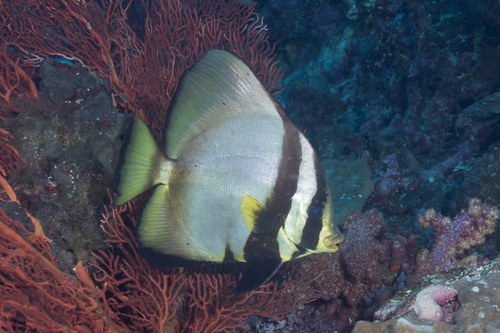
Striped Snapper
Scolopsis sp.
In Stock
Common stock
Wild Caught
Moderate care
With Caution
SKU: CB-MF-0352
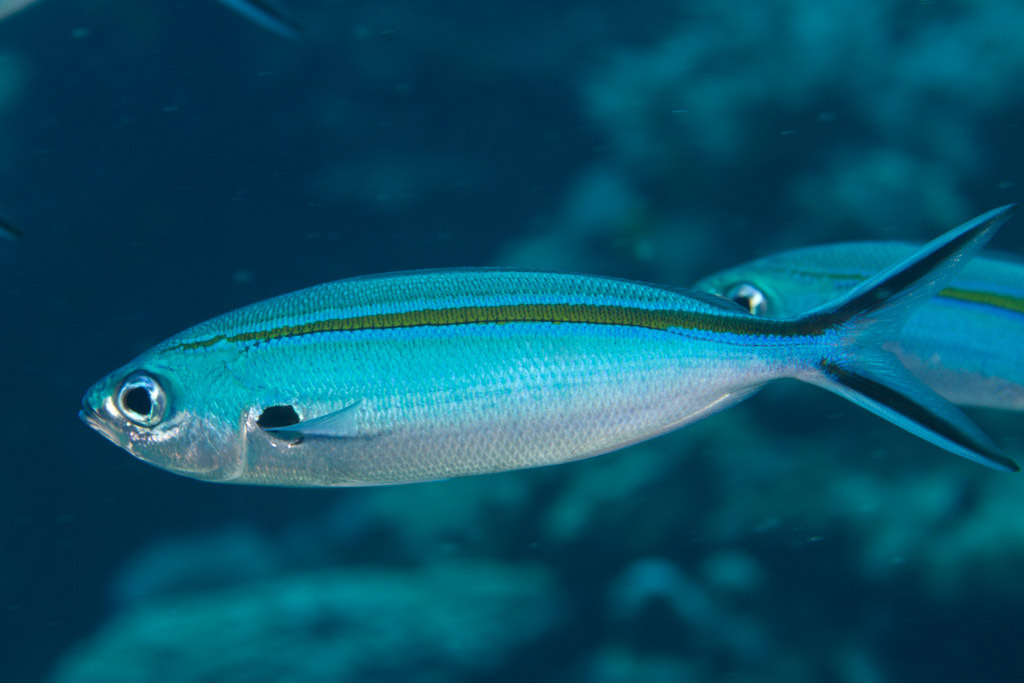
The Striped Snapper (Scolopsis sp.) boasts striking colors and a lively demeanor, making it a sought-after marine fish.
Pricing for Verified Importers
Log in to see wholesale prices and order.
Export Size
up to 30.0 cm
Origin
Indo-Pacific
Temperature
24.0–28.0°C
Min. Tank Size
200 L
Salinity
35.000–35.000 ppt
pH
8.10–8.40
Diet
carnivore
The Striped Snapper, belonging to the Scolopsis genus, is a captivating species native to the warm waters of the Indo-Pacific region. Characterized by its vivid coloration, the Striped Snapper showcases a blend of yellow, blue, and silver hues, with distinctive vertical stripes that run along its body. This striking appearance not only makes it visually appealing but also helps it blend into its coral reef habitat, providing an effective means of camouflage against predators.
In terms of behavior, Striped Snappers are known for their social nature, often found in small groups or schools. They exhibit a curious disposition, frequently exploring their surroundings and displaying playful interactions with one another. This activity level makes them a dynamic addition to any aquarium, as they are likely to engage with both their environment and fellow tank mates.
Striped Snappers primarily inhabit coral reefs, where they thrive among the crevices and nooks that provide shelter from larger predators. They are often spotted at varying depths, typically ranging from shallow coastal areas to deeper reef zones. Their preference for well-structured habitats rich in coral and marine life underscores their ecological role as both predator and prey within these vibrant ecosystems.
As they mature, Striped Snappers can reach a maximum size of approximately 30 cm, making them suitable for larger aquariums that can accommodate their space and social needs. Their energetic demeanor and stunning appearance make them a popular choice for marine aquarists seeking to create a lively and colorful reef environment.
In terms of behavior, Striped Snappers are known for their social nature, often found in small groups or schools. They exhibit a curious disposition, frequently exploring their surroundings and displaying playful interactions with one another. This activity level makes them a dynamic addition to any aquarium, as they are likely to engage with both their environment and fellow tank mates.
Striped Snappers primarily inhabit coral reefs, where they thrive among the crevices and nooks that provide shelter from larger predators. They are often spotted at varying depths, typically ranging from shallow coastal areas to deeper reef zones. Their preference for well-structured habitats rich in coral and marine life underscores their ecological role as both predator and prey within these vibrant ecosystems.
As they mature, Striped Snappers can reach a maximum size of approximately 30 cm, making them suitable for larger aquariums that can accommodate their space and social needs. Their energetic demeanor and stunning appearance make them a popular choice for marine aquarists seeking to create a lively and colorful reef environment.
When caring for Striped Snappers, it is essential to maintain optimal water parameters. A temperature range of 24-28°C, salinity levels between 1.020 and 1.025 ppt, and a pH level of 8.1-8.4 are ideal for their health and well-being. These fish thrive in well-oxygenated water with good filtration, making regular water changes crucial to keeping their environment stable.
In terms of diet, Striped Snappers are carnivorous and require a diet rich in protein. High-quality pellets, frozen or live foods such as shrimp, fish, and other marine proteins should be provided to meet their nutritional needs. It is advisable to feed them multiple small meals throughout the day to mimic their natural foraging behavior.
Compatibility is also an important consideration, as Striped Snappers are generally peaceful but can be territorial during breeding. They do well in community tanks with other similarly-sized fish but should be monitored for any signs of aggression. Acclimation to a new environment should be gradual; slowly introduce them to the tank to minimize stress. Quarantine new arrivals for at least two weeks to prevent the spread of disease and ensure a healthy introduction to the main tank.
In terms of diet, Striped Snappers are carnivorous and require a diet rich in protein. High-quality pellets, frozen or live foods such as shrimp, fish, and other marine proteins should be provided to meet their nutritional needs. It is advisable to feed them multiple small meals throughout the day to mimic their natural foraging behavior.
Compatibility is also an important consideration, as Striped Snappers are generally peaceful but can be territorial during breeding. They do well in community tanks with other similarly-sized fish but should be monitored for any signs of aggression. Acclimation to a new environment should be gradual; slowly introduce them to the tank to minimize stress. Quarantine new arrivals for at least two weeks to prevent the spread of disease and ensure a healthy introduction to the main tank.
Striped Snappers are suitable for shipping under controlled conditions. They should be packed in breathable bags with adequate water and oxygen supply. Optimal shipping temperatures should be maintained between 24-26°C to reduce stress during transit. Due to their size and social behavior, a packing density of 1-2 fish per liter is recommended. CITES status is currently not applicable for this species, simplifying international trade regulations.
Species Parameters
Max Adult Size
30.0 cm
Origin
Indo-Pacific
Diet
carnivore
Temp Min
24.0 °C
Temp Max
28.0 °C
Salinity Min
35.000
Salinity Max
35.000
pH Min
8.10
pH Max
8.40
Min Tank
200 L