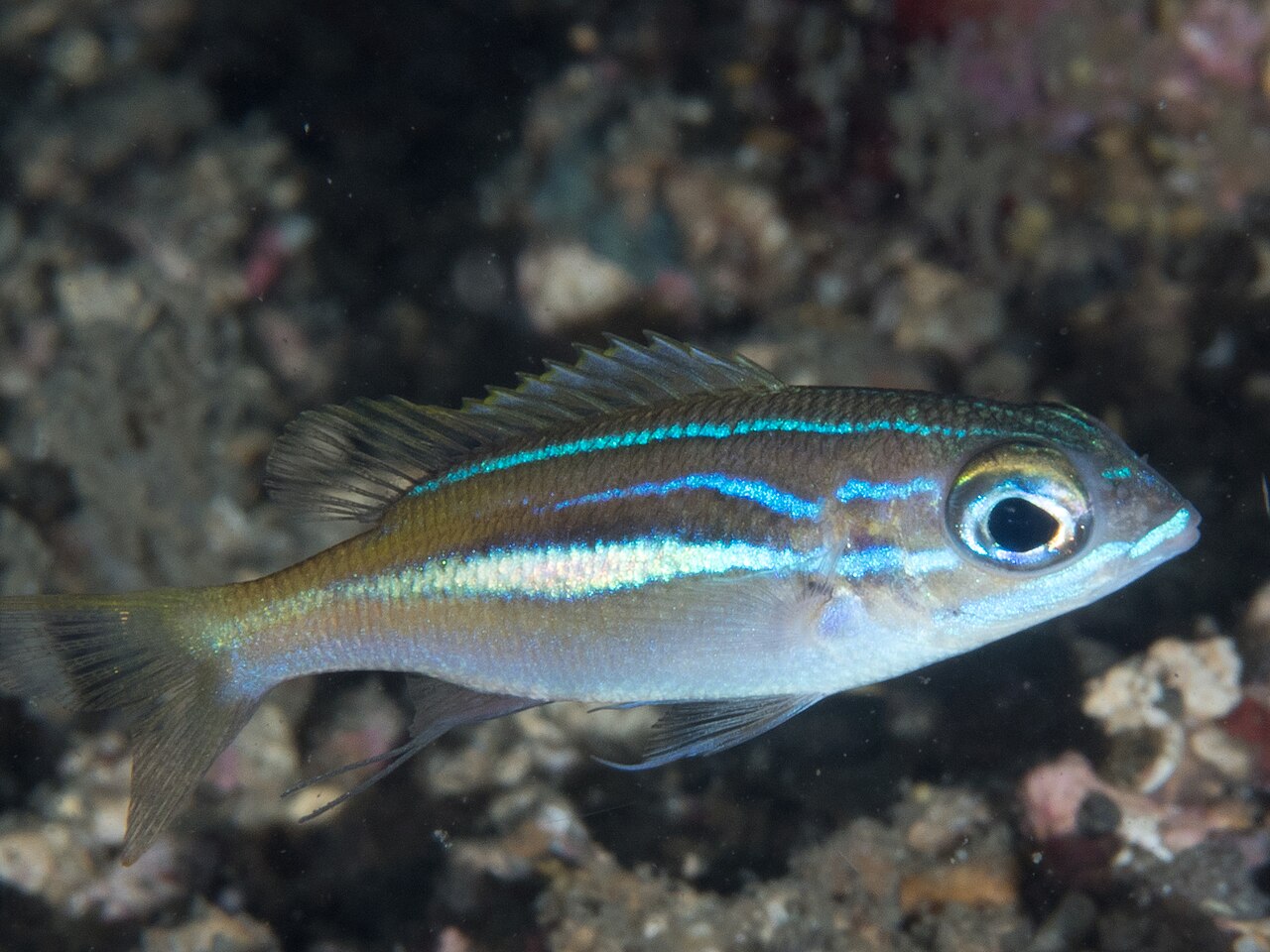

White star
archaster typicus
In Stock
Common stock
Wild Caught
Moderate care
With Caution
SKU: ML-MF-0499
The White Star (Archaster typicus) is a stunning marine starfish known for its unique shape and vibrant coloration.
Pricing for Verified Importers
Log in to see wholesale prices and order.
Export Size
up to 25.0 cm
Origin
Indo-Pacific
Temperature
24.0–28.0°C
Min. Tank Size
100 L
Salinity
30.000–35.000 ppt
pH
8.10–8.40
Diet
omnivore
The White Star, scientifically known as Archaster typicus, is a captivating marine starfish native to the shallow waters of the Indo-Pacific region. Characterized by its distinctive white and cream-colored arms, this species exhibits a star-like form that can reach up to 25 cm in diameter. The arms are slightly elongated and feature a textured surface that helps in camouflage against the sandy ocean floor, providing protection from predators. This species often displays a fascinating behavior of burrowing into the substrate, which aids in its feeding habits.
Natural history reveals that Archaster typicus plays a vital role in the marine ecosystem, primarily as a scavenger. It feeds on detritus, small invertebrates, and organic matter found on the seafloor, contributing to the nutrient recycling process. Their unique feeding method involves evisceration, where they can extend their stomachs to digest food outside their bodies. This adaptation allows them to exploit a variety of food sources in their environment.
In terms of habitat, the White Star thrives in sandy and muddy substrate areas, typically found in shallow waters up to 30 meters deep. They prefer warm waters and are usually associated with coral reefs, where they can easily blend into their surroundings. The White Star is not only a visually striking addition to any aquarium but also offers educational value regarding marine ecosystems and the importance of biodiversity.
Behaviorally, Archaster typicus is relatively peaceful and can coexist with various marine species, making it an ideal choice for reef tanks. They exhibit slow movements and often remain stationary during the day, becoming more active at night when foraging for food. Their unique physical and behavioral traits make them a fascinating species for both aquarists and researchers alike.
Natural history reveals that Archaster typicus plays a vital role in the marine ecosystem, primarily as a scavenger. It feeds on detritus, small invertebrates, and organic matter found on the seafloor, contributing to the nutrient recycling process. Their unique feeding method involves evisceration, where they can extend their stomachs to digest food outside their bodies. This adaptation allows them to exploit a variety of food sources in their environment.
In terms of habitat, the White Star thrives in sandy and muddy substrate areas, typically found in shallow waters up to 30 meters deep. They prefer warm waters and are usually associated with coral reefs, where they can easily blend into their surroundings. The White Star is not only a visually striking addition to any aquarium but also offers educational value regarding marine ecosystems and the importance of biodiversity.
Behaviorally, Archaster typicus is relatively peaceful and can coexist with various marine species, making it an ideal choice for reef tanks. They exhibit slow movements and often remain stationary during the day, becoming more active at night when foraging for food. Their unique physical and behavioral traits make them a fascinating species for both aquarists and researchers alike.
When caring for the White Star (Archaster typicus), maintaining stable water parameters is crucial. The ideal temperature range for this species is between 24°C to 28°C, with a salinity level of 30-35 ppt. The pH should be maintained between 8.1 and 8.4 to ensure optimal health. It's essential to provide ample hiding spots and a sandy substrate, as they prefer to burrow and feel secure in their environment.
Feeding should consist of a varied diet, including high-quality marine pellets, frozen foods, and detritus. Regular feeding every few days is sufficient, as they are scavengers and can derive nutrients from the substrate. Compatibility-wise, the White Star is generally peaceful and can coexist with other non-aggressive marine species. However, caution should be exercised with predatory fish that may see them as a food source.
Acclimation is vital when introducing the White Star to a new tank. A slow drip acclimation method over several hours will reduce stress and help the starfish adjust to the new environment. Quarantine is recommended for new arrivals to prevent the introduction of pathogens to the main tank. Overall, with proper care and a stable environment, the White Star can thrive and add beauty to any marine aquarium.
Feeding should consist of a varied diet, including high-quality marine pellets, frozen foods, and detritus. Regular feeding every few days is sufficient, as they are scavengers and can derive nutrients from the substrate. Compatibility-wise, the White Star is generally peaceful and can coexist with other non-aggressive marine species. However, caution should be exercised with predatory fish that may see them as a food source.
Acclimation is vital when introducing the White Star to a new tank. A slow drip acclimation method over several hours will reduce stress and help the starfish adjust to the new environment. Quarantine is recommended for new arrivals to prevent the introduction of pathogens to the main tank. Overall, with proper care and a stable environment, the White Star can thrive and add beauty to any marine aquarium.
The White Star (Archaster typicus) is suitable for shipping, provided that appropriate measures are taken. Packing density should be low to prevent stress and injury during transit. Temperature sensitivity is moderate; therefore, maintaining a stable temperature between 24°C to 28°C during shipping is critical. Ensure adequate oxygenation and avoid prolonged shipping times. Currently, there are no CITES restrictions on this species, making it easier for export.
Species Parameters
Max Adult Size
25.0 cm
Origin
Indo-Pacific
Diet
omnivore
Temp Min
24.0 °C
Temp Max
28.0 °C
Salinity Min
30.000
Salinity Max
35.000
pH Min
8.10
pH Max
8.40
Min Tank
100 L