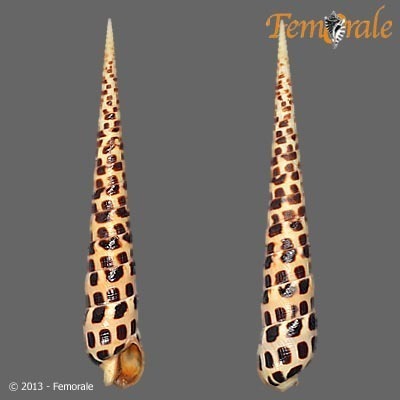
Terebra subulata
terebra subulata
In Stock
Common stock
Wild Caught
Moderate care
With Caution
SKU: ML-MF-0569
Discover the unique Terebra subulata, a striking marine species from Bali's vibrant waters.
Pricing for Verified Importers
Log in to see wholesale prices and order.
Export Size
up to 10.0 cm
Origin
Indo-Pacific
Temperature
24.0–28.0°C
Min. Tank Size
100 L
Salinity
30.000–35.000 ppt
pH
8.10–8.40
Diet
carnivore
Terebra subulata, commonly known as the auger snail, is a fascinating marine gastropod found predominantly in the warm waters of the Indo-Pacific region. This species is notable for its elongated and spirally coiled shell, which can reach lengths of up to 10 cm. The shell is typically thin and features fine, spiral ridges that give it a distinctive appearance, making it a sought-after specimen for marine collectors and aquarists alike.
In terms of natural history, Terebra subulata inhabits sandy and muddy substrates, often buried within the ocean floor where it hunts for prey. This species primarily feeds on small marine invertebrates, utilizing its specialized radula to scrape food off surfaces or capture prey. The auger snail is also known for its unique burrowing behavior, which allows it to navigate its sandy habitat efficiently and evade potential predators.
Behaviorally, Terebra subulata is relatively solitary and can be quite reclusive. It is most active during the night, which aligns with its predatory habits as it hunts for food under the cover of darkness. This nocturnal activity makes it less visible during the day, allowing it to avoid both predators and human collectors. Its striking appearance, combined with its interesting behavior, makes it a captivating addition to any marine display.
The habitat of Terebra subulata is primarily shallow coastal waters, where it can be found at depths ranging from a few meters down to about 30 meters. The species thrives in environments rich in organic matter, which supports its dietary needs. This adaptability to varied substrates contributes to its widespread distribution across the Coral Triangle region, making it a vital part of the marine ecosystem.
In terms of natural history, Terebra subulata inhabits sandy and muddy substrates, often buried within the ocean floor where it hunts for prey. This species primarily feeds on small marine invertebrates, utilizing its specialized radula to scrape food off surfaces or capture prey. The auger snail is also known for its unique burrowing behavior, which allows it to navigate its sandy habitat efficiently and evade potential predators.
Behaviorally, Terebra subulata is relatively solitary and can be quite reclusive. It is most active during the night, which aligns with its predatory habits as it hunts for food under the cover of darkness. This nocturnal activity makes it less visible during the day, allowing it to avoid both predators and human collectors. Its striking appearance, combined with its interesting behavior, makes it a captivating addition to any marine display.
The habitat of Terebra subulata is primarily shallow coastal waters, where it can be found at depths ranging from a few meters down to about 30 meters. The species thrives in environments rich in organic matter, which supports its dietary needs. This adaptability to varied substrates contributes to its widespread distribution across the Coral Triangle region, making it a vital part of the marine ecosystem.
For aquarium importers and retailers, the care of Terebra subulata requires a well-maintained marine environment. Ideal water parameters include a temperature range of 24-28°C, with a salinity level between 30-35 ppt. The pH should be maintained between 8.1 and 8.4, as these conditions mimic their natural habitat. It is essential to ensure proper filtration and water quality to support this species' health and longevity.
Feeding Terebra subulata involves offering a varied diet that includes small live or frozen foods such as brine shrimp, mysis shrimp, and finely chopped seafood. Regular feeding is crucial for maintaining their health, especially in a captive environment. Compatibility-wise, this species does best in a community tank with similar-sized marine invertebrates and peaceful fish, as aggressive tankmates may stress them.
Acclimation should be done gradually to minimize shock, ideally over several hours, using the drip acclimation method. Quarantine is recommended before introducing Terebra subulata to a display tank to prevent the spread of any potential pathogens. With the right care, this species can thrive and enhance the biodiversity of any marine aquarium.
Feeding Terebra subulata involves offering a varied diet that includes small live or frozen foods such as brine shrimp, mysis shrimp, and finely chopped seafood. Regular feeding is crucial for maintaining their health, especially in a captive environment. Compatibility-wise, this species does best in a community tank with similar-sized marine invertebrates and peaceful fish, as aggressive tankmates may stress them.
Acclimation should be done gradually to minimize shock, ideally over several hours, using the drip acclimation method. Quarantine is recommended before introducing Terebra subulata to a display tank to prevent the spread of any potential pathogens. With the right care, this species can thrive and enhance the biodiversity of any marine aquarium.
Terebra subulata is suitable for shipping, provided that appropriate care is taken during transportation. The packing density should be low to allow for adequate oxygen exchange, and temperatures should be maintained between 24-26°C to ensure their well-being. This species is not listed under CITES, which simplifies export regulations. However, care should always be taken to comply with local wildlife protection laws.
Species Parameters
Max Adult Size
10.0 cm
Origin
Indo-Pacific
Diet
carnivore
Temp Min
24.0 °C
Temp Max
28.0 °C
Salinity Min
30.000
Salinity Max
35.000
pH Min
8.10
pH Max
8.40
Min Tank
100 L