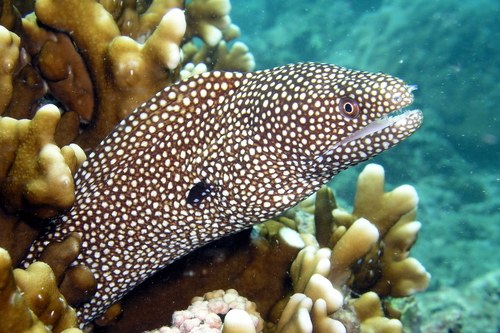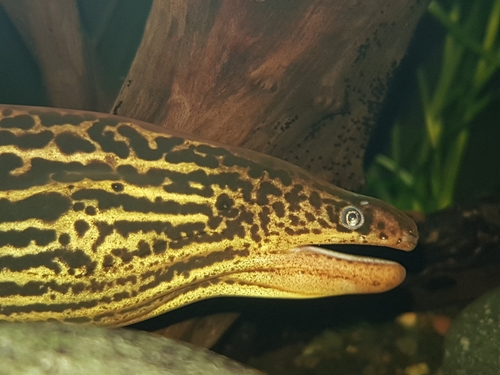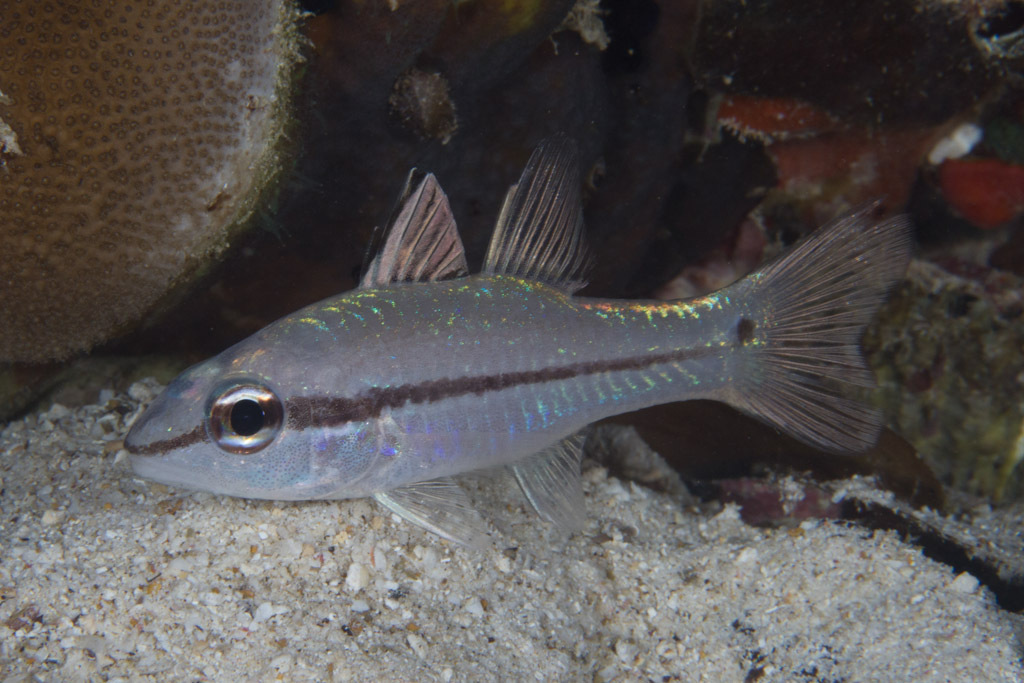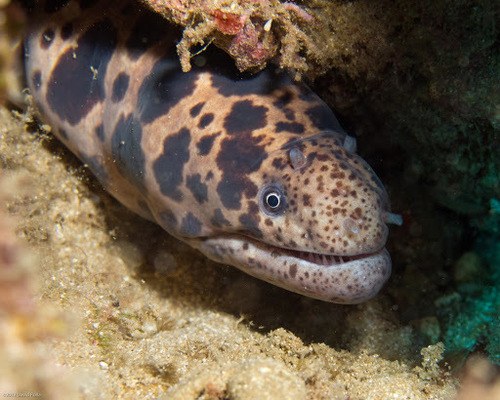
Yellowbanded pipefish
Dorhyrhampus multiannulatus
In Stock
Common stock
Wild Caught
Moderate care
With Caution
SKU: CB-MF-0383
The Yellowbanded pipefish is a unique marine species known for its striking coloration and elongated body.
Pricing for Verified Importers
Log in to see wholesale prices and order.
Export Size
up to 15.0 cm
Origin
Indo-Pacific
Temperature
24.0–28.0°C
Min. Tank Size
100 L
Salinity
30.000–35.000 ppt
pH
8.10–8.40
Diet
carnivore
The Yellowbanded pipefish (Doryrhamphus multiannulatus) is a captivating marine fish native to the coral reefs of the Indo-Pacific region. This species is easily recognized by its slender, elongated body adorned with distinctive yellow bands that contrast beautifully against a dark background. Adults typically grow to a maximum size of about 15 cm, making them a fascinating addition to reef aquariums. Their elongated snouts are adapted for feeding on small crustaceans and zooplankton, which are abundant in their natural habitat.
In terms of behavior, Yellowbanded pipefish are generally peaceful and can often be seen hovering among the corals and seagrass beds, utilizing their camouflage to evade predators. They exhibit a unique form of reproduction known as male pregnancy, where the female deposits her eggs into the male's brood pouch, where he carries them until they hatch. This intriguing reproductive strategy sets them apart from many other fish species.
Yellowbanded pipefish thrive in shallow waters, typically found at depths of 1 to 20 meters. They prefer environments rich in coral and seagrass, which provide both food and shelter. Their dependence on these habitats underscores the importance of maintaining healthy coral reef ecosystems, as their populations can be adversely affected by habitat degradation and pollution.
Overall, the Yellowbanded pipefish is not only visually striking but also plays a crucial role in its ecosystem. Their unique adaptations and behaviors make them a fascinating subject of study for marine biologists and a desirable species for aquarium enthusiasts.
In terms of behavior, Yellowbanded pipefish are generally peaceful and can often be seen hovering among the corals and seagrass beds, utilizing their camouflage to evade predators. They exhibit a unique form of reproduction known as male pregnancy, where the female deposits her eggs into the male's brood pouch, where he carries them until they hatch. This intriguing reproductive strategy sets them apart from many other fish species.
Yellowbanded pipefish thrive in shallow waters, typically found at depths of 1 to 20 meters. They prefer environments rich in coral and seagrass, which provide both food and shelter. Their dependence on these habitats underscores the importance of maintaining healthy coral reef ecosystems, as their populations can be adversely affected by habitat degradation and pollution.
Overall, the Yellowbanded pipefish is not only visually striking but also plays a crucial role in its ecosystem. Their unique adaptations and behaviors make them a fascinating subject of study for marine biologists and a desirable species for aquarium enthusiasts.
For importers and retailers, providing optimal care for Yellowbanded pipefish is essential to ensure their health and longevity. They thrive in water temperatures ranging from 24°C to 28°C, with a salinity level between 30-35 ppt. Maintaining a stable pH level between 8.1 and 8.4 is also crucial for their well-being. A minimum tank size of 100 liters is recommended to accommodate their swimming needs and territorial behavior.
Feeding Yellowbanded pipefish can be achieved through a varied diet of small live foods such as brine shrimp, mysis shrimp, and finely chopped seafood. Regular feeding two to three times a day is ideal to mimic their natural feeding patterns. It's important to monitor their dietary intake to prevent overfeeding, which can lead to health issues.
Compatibility-wise, Yellowbanded pipefish are best kept with other peaceful species in a community tank. They may exhibit territorial behavior towards their own kind, so providing ample space and hiding spots is necessary. Acclimation should be done slowly, ideally over several hours, to minimize stress. Additionally, a quarantine period of at least two weeks is advisable to prevent introducing any diseases to existing tank inhabitants.
Feeding Yellowbanded pipefish can be achieved through a varied diet of small live foods such as brine shrimp, mysis shrimp, and finely chopped seafood. Regular feeding two to three times a day is ideal to mimic their natural feeding patterns. It's important to monitor their dietary intake to prevent overfeeding, which can lead to health issues.
Compatibility-wise, Yellowbanded pipefish are best kept with other peaceful species in a community tank. They may exhibit territorial behavior towards their own kind, so providing ample space and hiding spots is necessary. Acclimation should be done slowly, ideally over several hours, to minimize stress. Additionally, a quarantine period of at least two weeks is advisable to prevent introducing any diseases to existing tank inhabitants.
Yellowbanded pipefish are suitable for shipping, but care must be taken to ensure their environment is stable during transit. Packing density should allow for adequate water circulation, ideally using bags with oxygen. They are sensitive to temperature fluctuations, so maintaining a consistent temperature between 24°C and 28°C during shipping is essential. As a species not listed under CITES, they have no specific export restrictions.
Species Parameters
Max Adult Size
15.0 cm
Origin
Indo-Pacific
Diet
carnivore
Temp Min
24.0 °C
Temp Max
28.0 °C
Salinity Min
30.000
Salinity Max
35.000
pH Min
8.10
pH Max
8.40
Min Tank
100 L