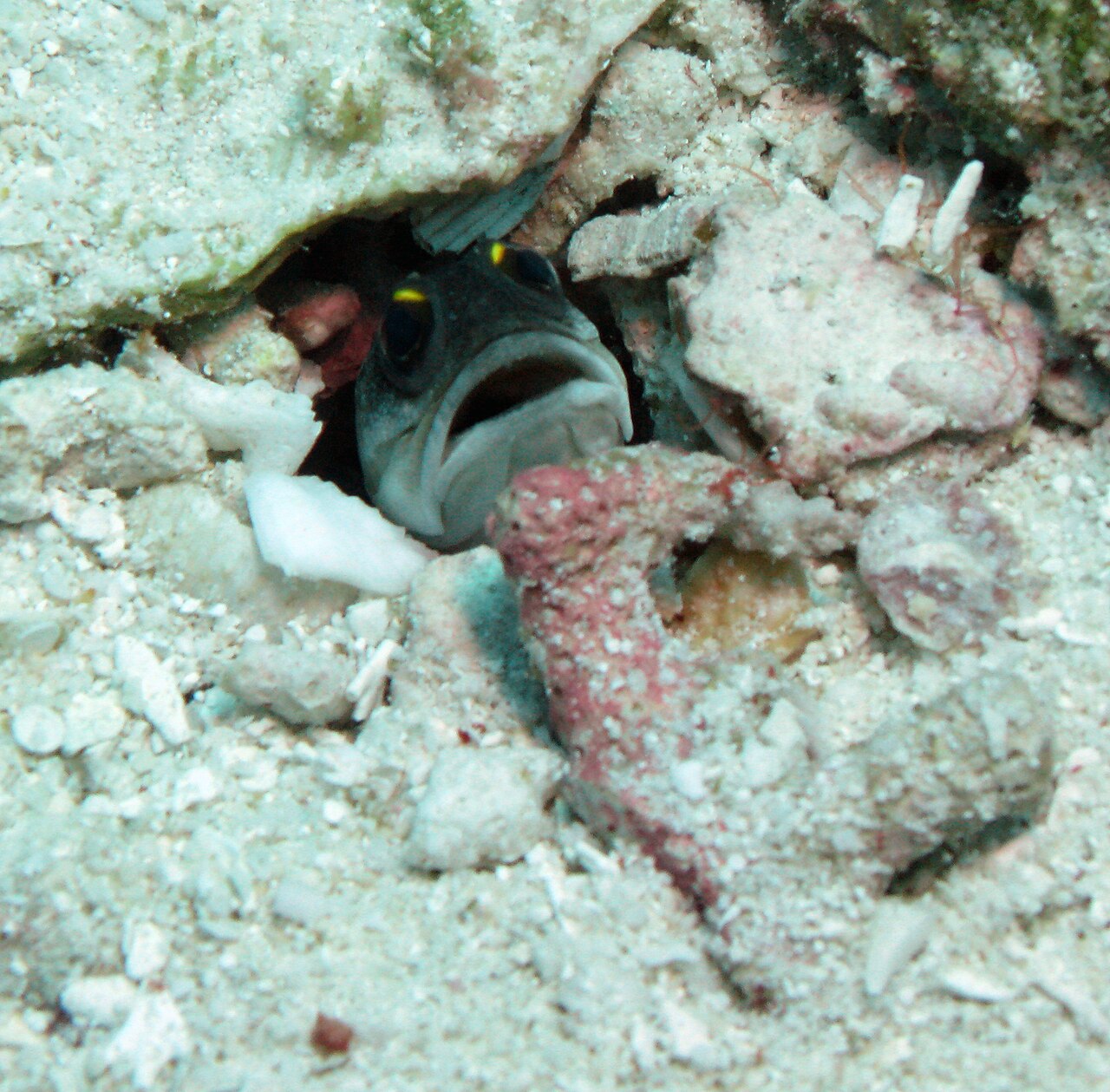

Whitecheek Moray Eel
Echidna rhodochilus
Out of Stock
Scarce stock
Wild Caught
Moderate care
Not Reef Safe
SKU: 01-A-28-001-10
The Whitecheek Moray Eel is a striking addition to any aquarium with its unique coloration and intriguing behavior.
Pricing for Verified Importers
Log in to see wholesale prices and order.
Export Size
up to 100.0 cm
Origin
Indo-Pacific
Temperature
24.0–28.0°C
Min. Tank Size
200 L
Salinity
30.000–35.000 ppt
pH
8.00–8.40
Diet
carnivore
The Whitecheek Moray Eel, scientifically known as Echidna rhodochilus, is a captivating species native to the Pacific and Indian Oceans, particularly around regions such as India and the Philippines. First described by Bleeker in 1863, this moray eel is renowned for its distinct appearance, featuring a pale body contrasted by vibrant pink or reddish lips, which lend it the common name 'pink-lipped moray eel.' This striking coloration serves as a visual delight for aquarium enthusiasts and collectors alike.
In terms of natural history, Whitecheek Moray Eels inhabit rocky crevices and coral reefs, where they can find shelter and ambush prey. They are primarily nocturnal hunters, which adds to their allure in home aquariums as they exhibit more activity during the evening hours. Their slender, elongated bodies allow them to navigate through narrow spaces in their natural habitat, providing excellent camouflage against predators.
Behaviorally, these morays are known for their curious and somewhat shy disposition, often retreating into their hiding spots when approached. However, with time and patience, they can become accustomed to their surroundings and exhibit a degree of sociability, particularly during feeding times. Their diet mainly consists of small fish and crustaceans, making them skilled hunters and important predators in their ecosystems.
The habitat of the Whitecheek Moray Eel typically includes warm, shallow waters with plenty of structure, such as reefs and rocky substrates. They thrive in environments where they can find ample hiding places, which is crucial for their comfort and well-being. To mimic their natural habitat in captivity, providing a well-structured aquarium with caves and crevices is essential for their health and behavior.
In terms of natural history, Whitecheek Moray Eels inhabit rocky crevices and coral reefs, where they can find shelter and ambush prey. They are primarily nocturnal hunters, which adds to their allure in home aquariums as they exhibit more activity during the evening hours. Their slender, elongated bodies allow them to navigate through narrow spaces in their natural habitat, providing excellent camouflage against predators.
Behaviorally, these morays are known for their curious and somewhat shy disposition, often retreating into their hiding spots when approached. However, with time and patience, they can become accustomed to their surroundings and exhibit a degree of sociability, particularly during feeding times. Their diet mainly consists of small fish and crustaceans, making them skilled hunters and important predators in their ecosystems.
The habitat of the Whitecheek Moray Eel typically includes warm, shallow waters with plenty of structure, such as reefs and rocky substrates. They thrive in environments where they can find ample hiding places, which is crucial for their comfort and well-being. To mimic their natural habitat in captivity, providing a well-structured aquarium with caves and crevices is essential for their health and behavior.
When caring for Whitecheek Moray Eels, it is important to replicate their natural environment as closely as possible. The ideal water parameters include a temperature range of 24-28°C, with stable pH levels around 8.0 to 8.4. Since they are marine species, salinity levels should be maintained between 30-35 ppt. A minimum tank size of 200 liters is recommended to provide ample space for swimming and hiding.
Feeding these moray eels can be done using a diet rich in high-quality marine-based foods, such as frozen or live shrimp, small fish, and other meaty offerings. Regular feeding two to three times a week will ensure they receive proper nutrition. Compatibility with other tank mates should be approached with caution, as they may exhibit territorial behavior, especially when kept with smaller fish that could be seen as prey.
Acclimation is crucial when introducing new Whitecheek Moray Eels to a tank; a slow drip method is advisable to minimize stress. Quarantine new arrivals for at least two weeks in a separate tank to monitor for any health issues before integrating them into the main display. This practice helps maintain the overall health of your aquarium.
Feeding these moray eels can be done using a diet rich in high-quality marine-based foods, such as frozen or live shrimp, small fish, and other meaty offerings. Regular feeding two to three times a week will ensure they receive proper nutrition. Compatibility with other tank mates should be approached with caution, as they may exhibit territorial behavior, especially when kept with smaller fish that could be seen as prey.
Acclimation is crucial when introducing new Whitecheek Moray Eels to a tank; a slow drip method is advisable to minimize stress. Quarantine new arrivals for at least two weeks in a separate tank to monitor for any health issues before integrating them into the main display. This practice helps maintain the overall health of your aquarium.
Whitecheek Moray Eels are suitable for shipping provided proper precautions are taken. They should be packed in insulated boxes with adequate water and oxygen to ensure their well-being during transit. Temperature sensitivity is a consideration; maintaining a temperature range of 24-28°C during shipping will help prevent stress. This species does not have CITES restrictions, simplifying export requirements.
Species Parameters
Max Adult Size
100.0 cm
Origin
Indo-Pacific
Diet
carnivore
Temp Min
24.0 °C
Temp Max
28.0 °C
Salinity Min
30.000
Salinity Max
35.000
pH Min
8.00
pH Max
8.40
Min Tank
200 L