Wooden Pipefish
Syngnathoides sp.
In Stock
Common stock
Wild Caught
Moderate care
With Caution
SKU: CB-MF-0378
The Wooden Pipefish is a unique marine species known for its elongated body and intricate patterns.
Pricing for Verified Importers
Log in to see wholesale prices and order.
Export Size
up to 20.0 cm
Origin
Coral Triangle
Temperature
24.0–28.0°C
Min. Tank Size
100 L
Salinity
30.000–35.000 ppt
pH
7.80–8.40
Diet
carnivore
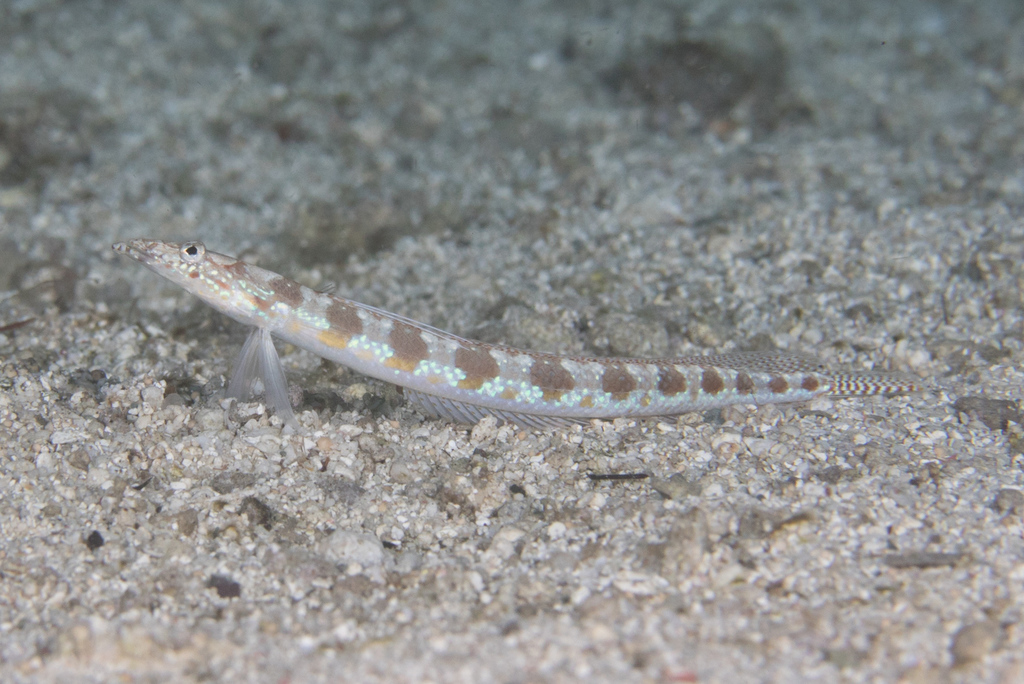
The Wooden Pipefish (Syngnathoides sp.) is a fascinating marine species characterized by its elongated, slender body and a long, tubular snout. This species exhibits a remarkable camouflage, with its coloration and texture resembling that of seagrasses and corals, allowing it to blend seamlessly into its surroundings. Typically found in shallow coastal waters, these pipefish inhabit areas rich in vegetation, such as seagrass beds and coral reefs, where they can easily hide from predators.
In terms of behavior, Wooden Pipefish are generally solitary and exhibit a unique mode of swimming. They use their dorsal fin for propulsion and their pectoral fins for steering, creating a delicate undulating motion that allows them to navigate through their environment with grace. These fish primarily feed on small crustaceans and zooplankton, using their elongated snouts to capture prey with precision. Their feeding behavior is quite fascinating, as they often remain motionless, waiting for prey to come within reach before striking with their snouts.
Reproduction in Wooden Pipefish is particularly interesting; males are known to carry fertilized eggs in a brood pouch, similar to seahorses. This unique reproductive strategy not only enhances the survival rate of the young but also allows for a greater degree of parental care. As they mature, these fish can reach a maximum size of around 20 cm, making them a remarkable addition to any marine aquarium setup.
Overall, the Wooden Pipefish stands out not just for its appearance but also for its captivating behaviors and unique reproductive methods, making it a prized species for aquarium enthusiasts.
In terms of behavior, Wooden Pipefish are generally solitary and exhibit a unique mode of swimming. They use their dorsal fin for propulsion and their pectoral fins for steering, creating a delicate undulating motion that allows them to navigate through their environment with grace. These fish primarily feed on small crustaceans and zooplankton, using their elongated snouts to capture prey with precision. Their feeding behavior is quite fascinating, as they often remain motionless, waiting for prey to come within reach before striking with their snouts.
Reproduction in Wooden Pipefish is particularly interesting; males are known to carry fertilized eggs in a brood pouch, similar to seahorses. This unique reproductive strategy not only enhances the survival rate of the young but also allows for a greater degree of parental care. As they mature, these fish can reach a maximum size of around 20 cm, making them a remarkable addition to any marine aquarium setup.
Overall, the Wooden Pipefish stands out not just for its appearance but also for its captivating behaviors and unique reproductive methods, making it a prized species for aquarium enthusiasts.
For successful care of Wooden Pipefish, maintaining the right water parameters is crucial. They thrive in temperatures ranging from 24°C to 28°C, with a salinity level of 30-35 ppt and a pH between 7.8 and 8.4. A minimum tank size of 100 liters is recommended to provide them with ample swimming space and to maintain stable water conditions.
Feeding Wooden Pipefish requires a diet rich in small live foods, such as brine shrimp, mysis shrimp, and other finely chopped seafood. It’s essential to provide a varied diet to ensure their health and vitality. Compatibility with other species should be approached with caution; they are generally peaceful but may be vulnerable to aggressive tank mates. Therefore, it is advisable to house them with similarly sized, non-aggressive fish.
Acclimation should be done slowly to reduce stress, ideally over a few hours, while quarantine is recommended for at least two weeks before introducing them to a community tank. This allows for monitoring and prevents the spread of potential diseases. Proper care and attention to these guidelines will ensure the Wooden Pipefish thrives in a captive environment.
Feeding Wooden Pipefish requires a diet rich in small live foods, such as brine shrimp, mysis shrimp, and other finely chopped seafood. It’s essential to provide a varied diet to ensure their health and vitality. Compatibility with other species should be approached with caution; they are generally peaceful but may be vulnerable to aggressive tank mates. Therefore, it is advisable to house them with similarly sized, non-aggressive fish.
Acclimation should be done slowly to reduce stress, ideally over a few hours, while quarantine is recommended for at least two weeks before introducing them to a community tank. This allows for monitoring and prevents the spread of potential diseases. Proper care and attention to these guidelines will ensure the Wooden Pipefish thrives in a captive environment.
Wooden Pipefish are suitable for shipping, but special attention must be paid to packing density and temperature control. They should be packed with adequate water volume to minimize stress during transit, ideally at temperatures between 24°C and 26°C. Their sensitivity to temperature fluctuations necessitates careful monitoring. This species is not listed under CITES, allowing for straightforward export procedures.
Species Parameters
Max Adult Size
20.0 cm
Origin
Coral Triangle
Diet
carnivore
Temp Min
24.0 °C
Temp Max
28.0 °C
Salinity Min
30.000
Salinity Max
35.000
pH Min
7.80
pH Max
8.40
Min Tank
100 L