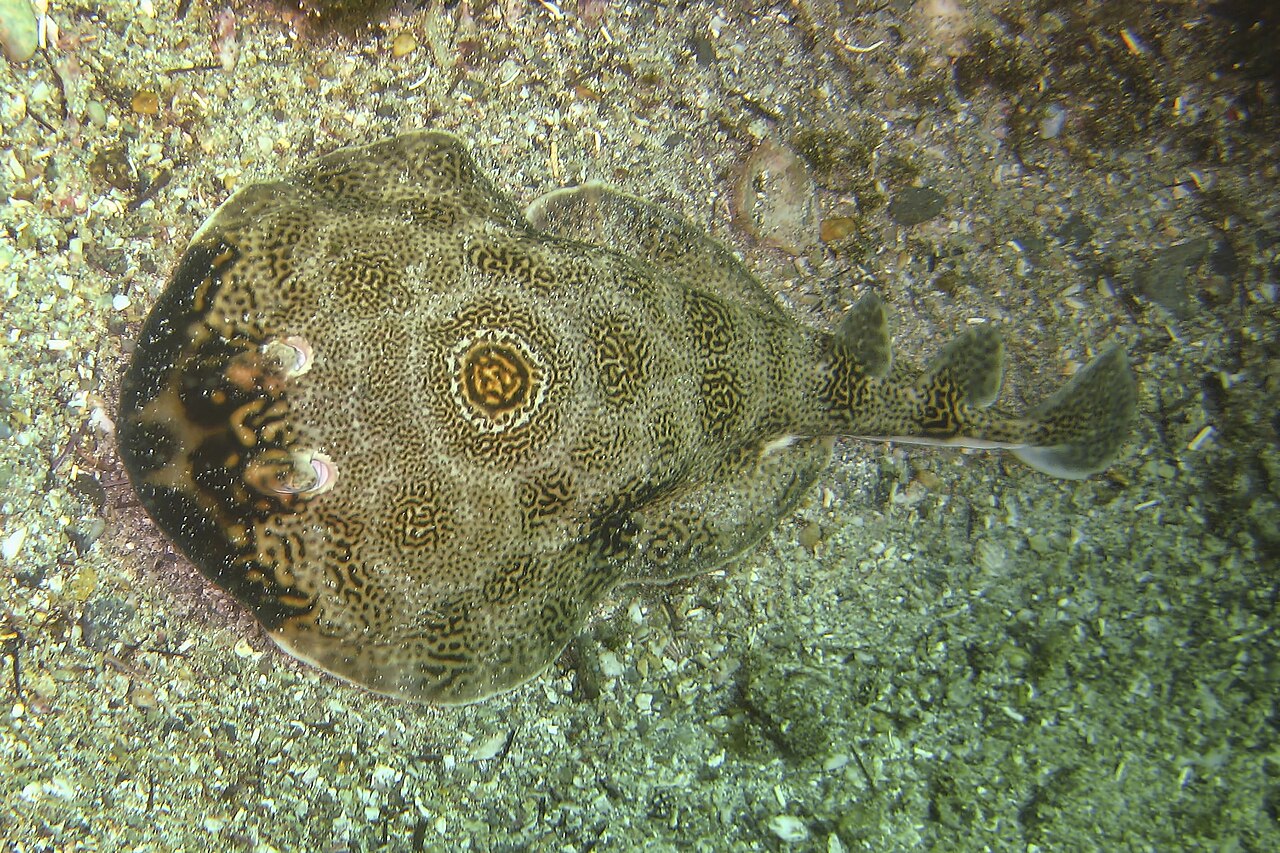
Ocellated electric/Cyclops Electric Ray
diplobatis ommata
In Stock
Common stock
Wild Caught
Moderate care
With Caution
SKU: ML-MF-0277
Discover the unique Ocellated electric ray, a mesmerizing marine species known for its striking appearance and electric capabilities.
Pricing for Verified Importers
Log in to see wholesale prices and order.
Export Size
up to 60.0 cm
Origin
Coral Triangle
Temperature
24.0–28.0°C
Min. Tank Size
200 L
Salinity
30.000–35.000 ppt
pH
7.50–8.50
Diet
carnivore
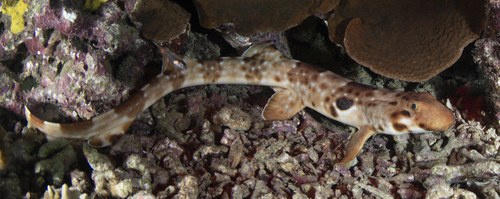
The Ocellated electric ray, scientifically known as Diplobatis ommata, is a fascinating marine species native to the coastal waters of the Coral Triangle, particularly around Bali, Indonesia. This ray is easily recognized by its distinct ocellated pattern, which features dark spots and a light background, providing effective camouflage against sandy sea floors. These patterns not only serve as a defense mechanism but also enhance its aesthetic appeal, making it a sought-after species for aquarium enthusiasts and wholesalers alike.
In terms of behavior, the Ocellated electric ray is a benthic species, primarily residing on the ocean floor where it utilizes its flattened body to blend into its surroundings. It is known for its ability to generate electric shocks, which it uses for hunting prey and as a defense mechanism against predators. This unique capability makes the species an interesting subject for both study and display in public aquariums. They typically inhabit shallow waters, often found in sandy or muddy substrates where they can easily camouflage.
Ocellated electric rays exhibit a relatively solitary behavior and are mostly active during the twilight hours. They primarily feed on small fish and invertebrates, using their electric shocks to immobilize their prey quickly. Their nocturnal habits and unique feeding strategies contribute to their fascinating role in the marine ecosystem, making them an essential part of the food web in their native habitats.
The conservation status of Diplobatis ommata is currently not well documented, but habitat destruction and overfishing pose potential threats to their populations. As such, responsible sourcing and sustainable practices are crucial for the continued availability of this extraordinary species in the aquarium trade.
In terms of behavior, the Ocellated electric ray is a benthic species, primarily residing on the ocean floor where it utilizes its flattened body to blend into its surroundings. It is known for its ability to generate electric shocks, which it uses for hunting prey and as a defense mechanism against predators. This unique capability makes the species an interesting subject for both study and display in public aquariums. They typically inhabit shallow waters, often found in sandy or muddy substrates where they can easily camouflage.
Ocellated electric rays exhibit a relatively solitary behavior and are mostly active during the twilight hours. They primarily feed on small fish and invertebrates, using their electric shocks to immobilize their prey quickly. Their nocturnal habits and unique feeding strategies contribute to their fascinating role in the marine ecosystem, making them an essential part of the food web in their native habitats.
The conservation status of Diplobatis ommata is currently not well documented, but habitat destruction and overfishing pose potential threats to their populations. As such, responsible sourcing and sustainable practices are crucial for the continued availability of this extraordinary species in the aquarium trade.
For successful care of the Ocellated electric ray in a retail or aquarium setting, it is essential to replicate their natural habitat as closely as possible. The recommended water parameters include a temperature range of 24-28°C, a salinity of 30-35 ppt, and a pH level between 7.5 to 8.5. Maintaining stable conditions is vital, as fluctuations can stress the fish and affect their health.
Feeding should consist of a varied diet that includes high-quality frozen or live foods, such as shrimp, small fish, and mollusks, to replicate their natural diet. It is recommended to feed them several small meals throughout the day rather than one large feeding to prevent waste and maintain water quality. Compatibility with other species is generally good, but caution should be taken when housing with aggressive or much larger fish that could pose a threat.
Acclimation to a new environment should be gradual to minimize stress. A quarantine period of at least two weeks is advisable to monitor for any signs of illness before introducing them to a main display tank. Ensuring that the tank is spacious enough, with a minimum size of 200 liters, is crucial for their well-being, as they require ample space to swim and explore.
Feeding should consist of a varied diet that includes high-quality frozen or live foods, such as shrimp, small fish, and mollusks, to replicate their natural diet. It is recommended to feed them several small meals throughout the day rather than one large feeding to prevent waste and maintain water quality. Compatibility with other species is generally good, but caution should be taken when housing with aggressive or much larger fish that could pose a threat.
Acclimation to a new environment should be gradual to minimize stress. A quarantine period of at least two weeks is advisable to monitor for any signs of illness before introducing them to a main display tank. Ensuring that the tank is spacious enough, with a minimum size of 200 liters, is crucial for their well-being, as they require ample space to swim and explore.
The Ocellated electric ray is suitable for shipping, provided that proper care is taken to ensure their well-being during transit. Packing density should allow for adequate space to minimize stress, with a recommendation of no more than one ray per 150 liters of water. Temperature sensitivity is a significant consideration; maintaining a stable environment between 24-26°C during shipping is crucial. As of the latest updates, there is no specific CITES status for Diplobatis ommata, but it is essential to adhere to local regulations regarding marine species export.
Species Parameters
Max Adult Size
60.0 cm
Origin
Coral Triangle
Diet
carnivore
Temp Min
24.0 °C
Temp Max
28.0 °C
Salinity Min
30.000
Salinity Max
35.000
pH Min
7.50
pH Max
8.50
Min Tank
200 L