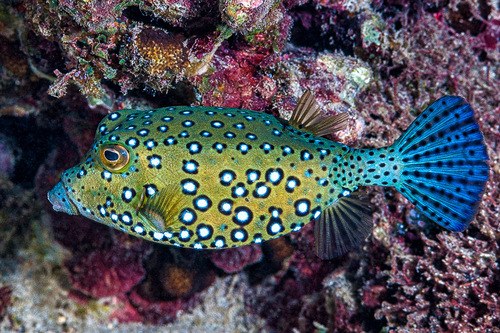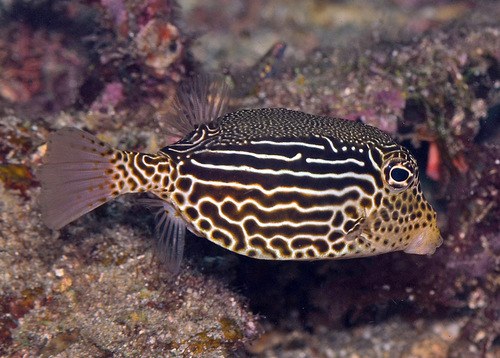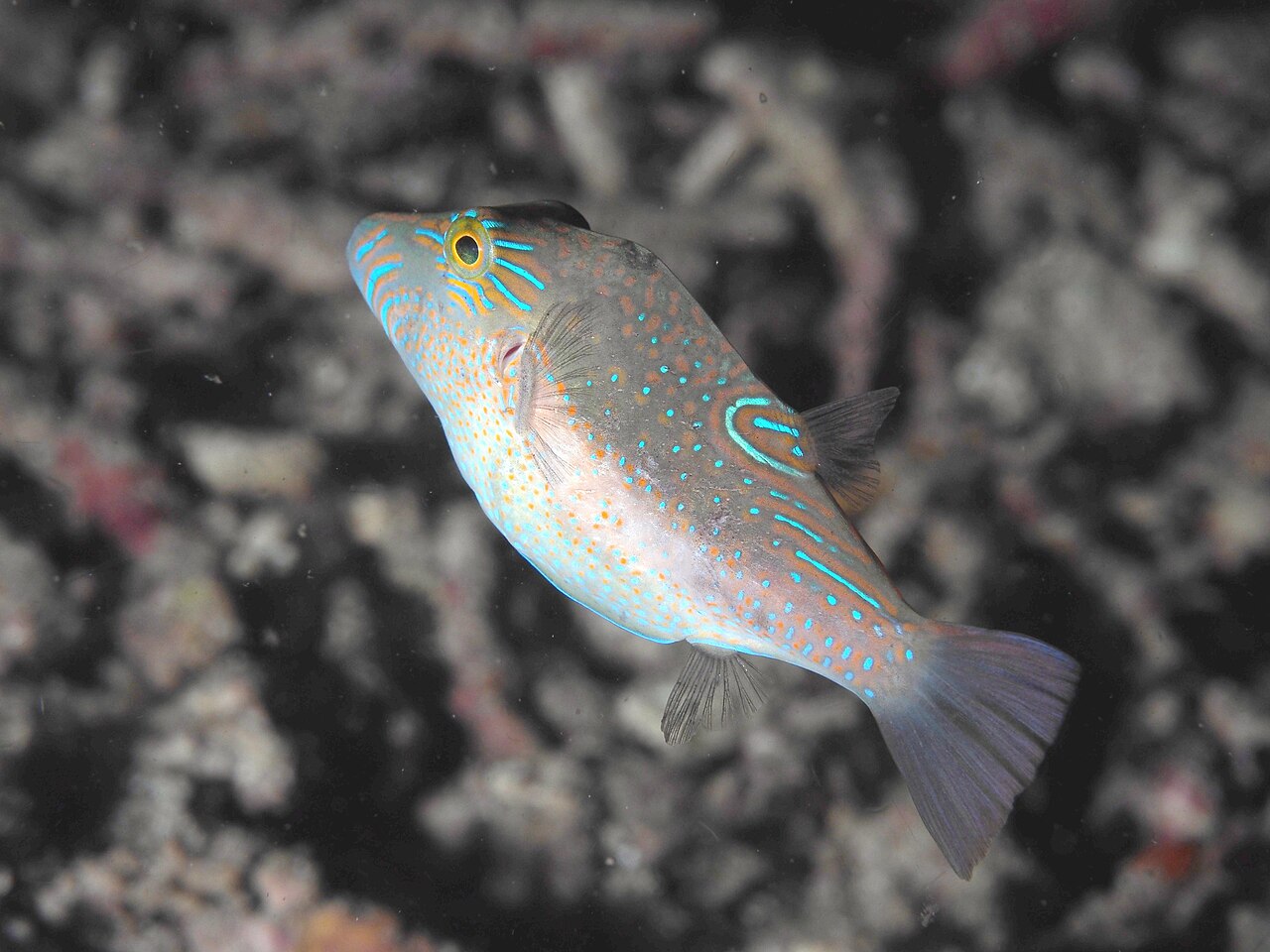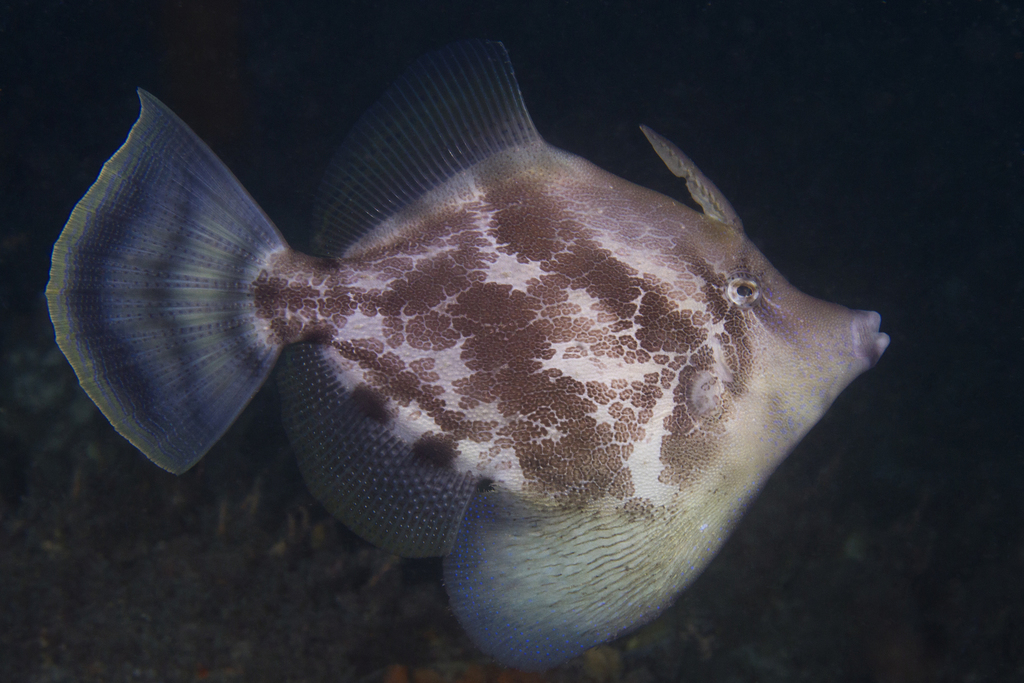
Humpback turretfish
tetrosomus gibbosus
In Stock
Common stock
Wild Caught
Moderate care
With Caution
SKU: ML-MF-0365
The Humpback turretfish is a captivating marine species known for its unique body shape and vibrant colors.
Pricing for Verified Importers
Log in to see wholesale prices and order.
Export Size
up to 15.0 cm
Origin
Indo-Pacific
Temperature
24.0–28.0°C
Min. Tank Size
150 L
Salinity
30.000–35.000 ppt
pH
8.10–8.40
Diet
herbivore
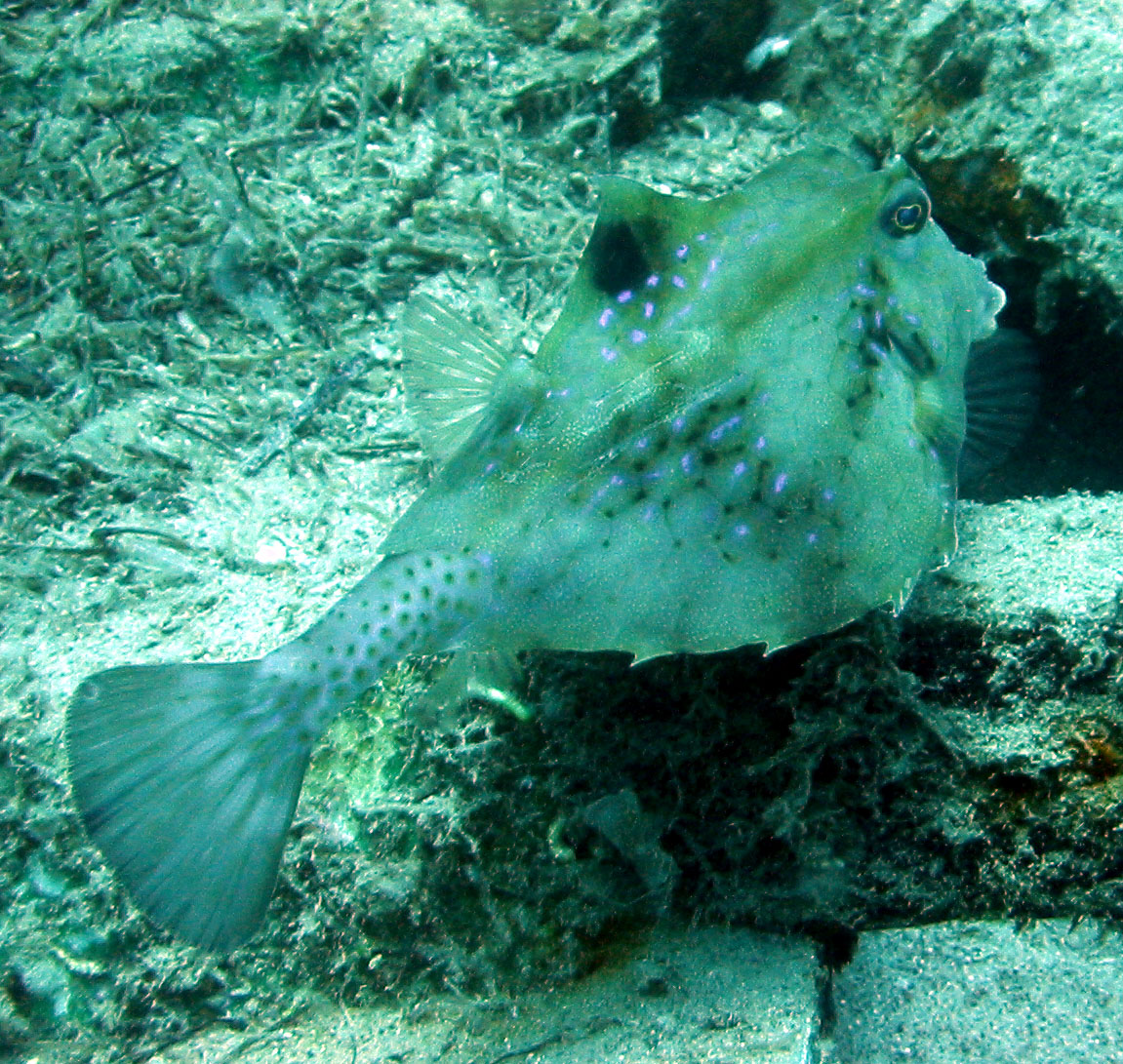
The Humpback turretfish (Tetrosomus gibbosus) is a fascinating marine species native to the coral reefs of the Indo-Pacific region. Characterized by its distinctive humpbacked body and laterally compressed shape, this fish showcases a striking array of colors, often exhibiting bright yellows, blues, and greens that provide both camouflage and attraction in its natural habitat. The species can grow up to 15 cm in length and is known for its unique swimming style, which includes a combination of fluttering and gliding motions, making it a delightful sight for both divers and aquarium enthusiasts.
In terms of behavior, the Humpback turretfish is primarily diurnal, engaging in foraging activities during the day. It feeds on a diet composed mainly of algae, small invertebrates, and detritus, utilizing its specialized mouth structure to graze on substrates. Socially, this species tends to be solitary or found in small groups, often associating with rocky substrates and coral formations where it can find both food and shelter.
The preferred habitat of the Humpback turretfish includes shallow lagoons and reef slopes, typically at depths of up to 30 meters. Its reliance on coral ecosystems underscores its importance in maintaining the ecological balance of these environments. The species plays a vital role in controlling algae growth, thus supporting the health of coral reefs.
Due to its vibrant appearance and intriguing behavior, the Humpback turretfish is becoming increasingly popular in the aquarium trade. However, it is essential to understand its specific needs to ensure a successful introduction into home or commercial aquaria.
For successful care of the Humpback turretfish, it is crucial to maintain stable water parameters. The ideal temperature range is between 24°C to 28°C, with a salinity level of 30-35 ppt. The pH should be kept between 8.1 and 8.4 to mimic its natural environment. A minimum tank size of 150 liters is recommended to provide sufficient swimming space and territory.
Feeding should consist of a varied diet including high-quality marine algae, spirulina, and small invertebrates to ensure balanced nutrition. It's important to feed multiple times a day in small amounts to prevent overfeeding. Compatibility with other species should be approached with caution, as the Humpback turretfish may be territorial; therefore, it is best housed with similarly sized and non-aggressive tank mates.
When introducing the Humpback turretfish to a new aquarium, gradual acclimation is essential. Use a drip acclimation method over several hours to minimize stress. Quarantine new arrivals for at least 2-4 weeks before adding them to a display tank to prevent the introduction of diseases.
Humpback turretfish are sensitive to temperature fluctuations, making proper shipping methods critical. Ideal shipping temperatures should be maintained between 24°C and 26°C. Packing density should not exceed 1 fish per 10 liters of water to minimize stress during transport. The species is not listed under CITES, which facilitates export, but it is vital to check local regulations before shipping.
Species Parameters
Max Adult Size
15.0 cm
Origin
Indo-Pacific
Diet
herbivore
Temp Min
24.0 °C
Temp Max
28.0 °C
Salinity Min
30.000
Salinity Max
35.000
pH Min
8.10
pH Max
8.40
Min Tank
150 L