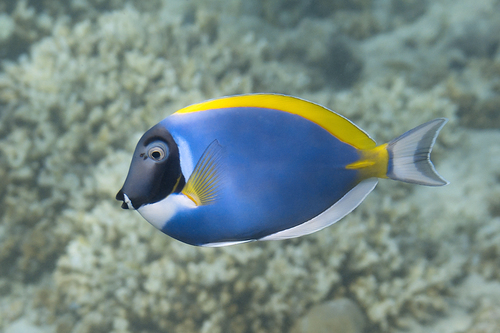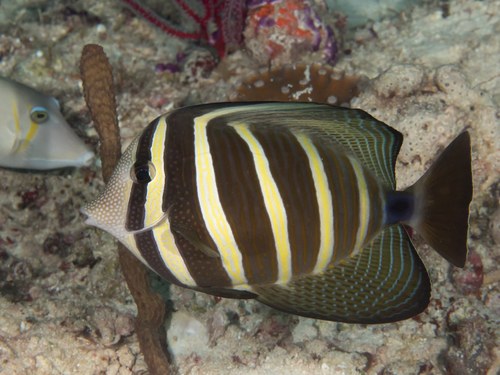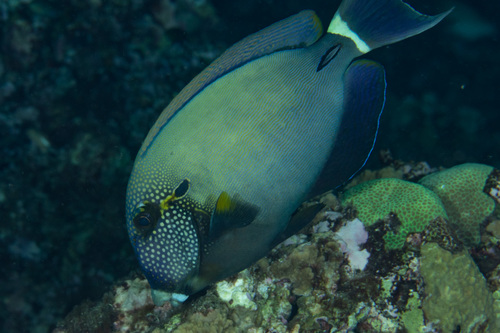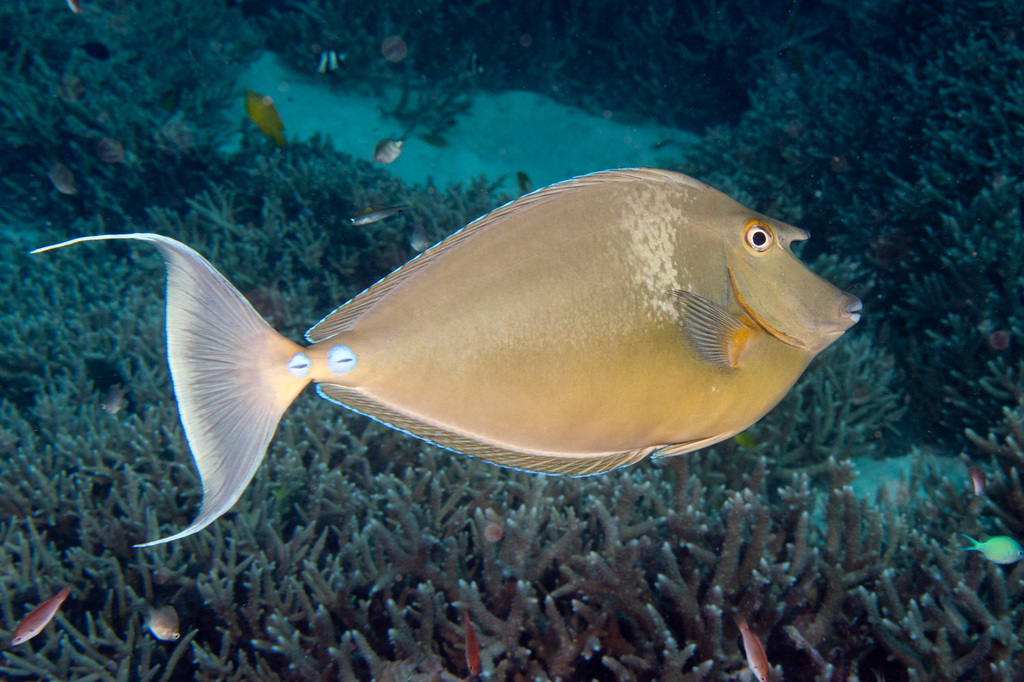
Striped Bristletooth
Ctenochaetus binotatus
In Stock
Common stock
Wild Caught
Moderate care
With Caution
SKU: CB-MF-0301
The Striped Bristletooth is a vibrant addition to marine aquariums, known for its unique coloration and algae-eating habits.
Pricing for Verified Importers
Log in to see wholesale prices and order.
Export Size
up to 15.0 cm
Origin
Indo-Pacific
Temperature
24.0–28.0°C
Min. Tank Size
200 L
Salinity
1.020–1.025 ppt
pH
8.10–8.40
Diet
herbivore
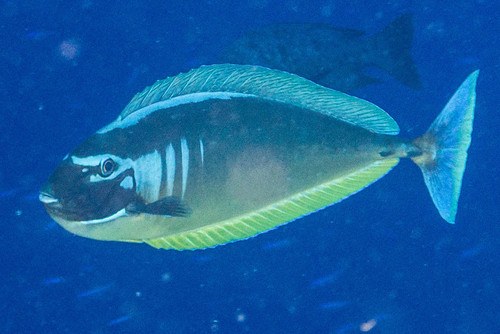
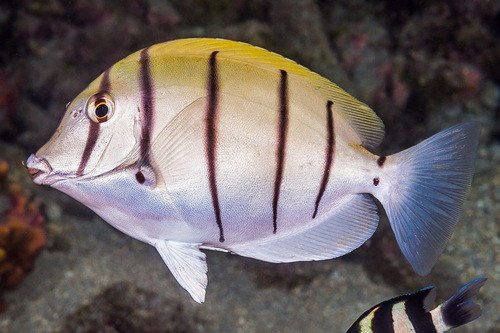
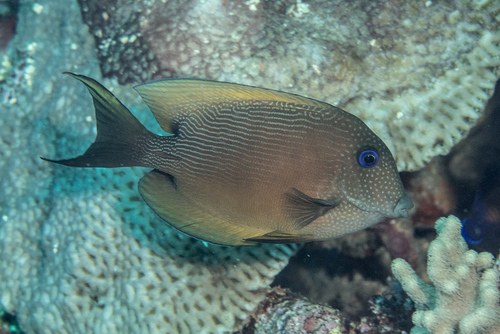
The Striped Bristletooth (Ctenochaetus binotatus) is a captivating marine fish native to the Indo-Pacific region, particularly found around coral reefs. This species is easily recognized by its distinctive body pattern, which showcases striking vertical stripes that can range from yellow to blue, creating a visually stunning appearance. Adults typically reach a maximum size of about 15 cm, making them suitable for a variety of aquarium setups. Their sleek, oval-shaped bodies are complemented by bristle-like spines found along their mouths, which they use effectively to graze on algae and biofilm on the reef.
In terms of behavior, the Striped Bristletooth is generally peaceful and can be kept in community tanks with other reef-safe species. They are known for their active swimming and grazing habits, often seen darting around the tank in search of food. This species prefers to establish a territory within the aquarium, so providing ample space and hiding spots is essential for their well-being. They thrive in well-established aquariums with stable water conditions, mimicking their natural habitat where they graze on algae-covered live rock.
The Striped Bristletooth plays a crucial role in maintaining the health of coral reef ecosystems by controlling algae growth. In captivity, they contribute to the overall health of the aquarium by consuming excess algae, thus preventing overgrowth that could harm other inhabitants. Their diet is primarily herbivorous, focusing on various types of algae, which should be supplemented with high-quality marine flakes or pellets to ensure balanced nutrition.
Overall, the Striped Bristletooth is not only a beautiful species but also an essential contributor to the ecological balance of both natural and aquarium environments. Their hardiness and adaptability make them a favorite among marine aquarium enthusiasts and a valuable addition for retailers looking to supply their customers with healthy, vibrant marine life.
In terms of behavior, the Striped Bristletooth is generally peaceful and can be kept in community tanks with other reef-safe species. They are known for their active swimming and grazing habits, often seen darting around the tank in search of food. This species prefers to establish a territory within the aquarium, so providing ample space and hiding spots is essential for their well-being. They thrive in well-established aquariums with stable water conditions, mimicking their natural habitat where they graze on algae-covered live rock.
The Striped Bristletooth plays a crucial role in maintaining the health of coral reef ecosystems by controlling algae growth. In captivity, they contribute to the overall health of the aquarium by consuming excess algae, thus preventing overgrowth that could harm other inhabitants. Their diet is primarily herbivorous, focusing on various types of algae, which should be supplemented with high-quality marine flakes or pellets to ensure balanced nutrition.
Overall, the Striped Bristletooth is not only a beautiful species but also an essential contributor to the ecological balance of both natural and aquarium environments. Their hardiness and adaptability make them a favorite among marine aquarium enthusiasts and a valuable addition for retailers looking to supply their customers with healthy, vibrant marine life.
To ensure the health and longevity of the Striped Bristletooth, maintaining optimal water conditions is essential. The ideal temperature range for this species is between 24°C to 28°C, with a salinity level of 1.020 to 1.025 ppt. The pH should be kept stable between 8.1 and 8.4. A minimum tank size of at least 200 liters is recommended to accommodate their active swimming nature and territorial behavior.
Feeding the Striped Bristletooth requires a diet rich in algae. High-quality marine algae sheets should be provided daily, supplemented with spirulina flakes, and occasionally offered high-protein foods such as mysis shrimp or brine shrimp. This combination ensures they receive all necessary nutrients for optimal growth and health. It’s important to monitor their diet closely to prevent obesity, as these fish can easily overeat if food is left uneaten.
In terms of compatibility, the Striped Bristletooth is generally peaceful but can be territorial with their own kind, especially in smaller tanks. It is advisable to keep them in groups of three or more to reduce aggressive encounters. Acclimation should be conducted slowly over several hours to allow the fish to adjust to their new environment. A quarantine period of at least two weeks is recommended before introducing them to the main tank to prevent the spread of any potential diseases.
Feeding the Striped Bristletooth requires a diet rich in algae. High-quality marine algae sheets should be provided daily, supplemented with spirulina flakes, and occasionally offered high-protein foods such as mysis shrimp or brine shrimp. This combination ensures they receive all necessary nutrients for optimal growth and health. It’s important to monitor their diet closely to prevent obesity, as these fish can easily overeat if food is left uneaten.
In terms of compatibility, the Striped Bristletooth is generally peaceful but can be territorial with their own kind, especially in smaller tanks. It is advisable to keep them in groups of three or more to reduce aggressive encounters. Acclimation should be conducted slowly over several hours to allow the fish to adjust to their new environment. A quarantine period of at least two weeks is recommended before introducing them to the main tank to prevent the spread of any potential diseases.
The Striped Bristletooth is well-suited for shipping due to its hardiness, but it is crucial to maintain stable temperatures during transit. Packing density should be limited to ensure adequate oxygen levels and water quality. Ideal shipping temperatures should be maintained between 24°C to 26°C to minimize stress. This species is not listed under CITES, allowing for easier export regulations.
Species Parameters
Max Adult Size
15.0 cm
Origin
Indo-Pacific
Diet
herbivore
Temp Min
24.0 °C
Temp Max
28.0 °C
Salinity Min
1.020
Salinity Max
1.025
pH Min
8.10
pH Max
8.40
Min Tank
200 L