Black-eared Surgeonfish
Acanthurus maculiceps
Limited
Scarce stock
Wild Caught
Moderate care
Reef Safe ✓
SKU: D150F
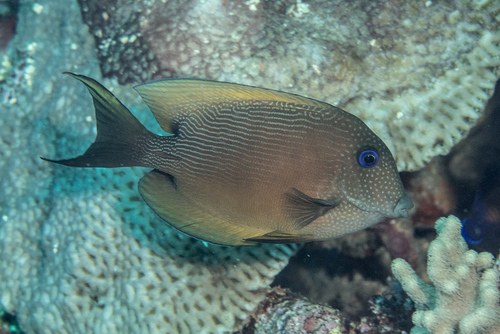
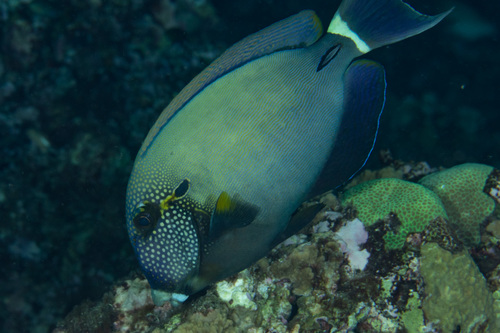
The Black-eared Surgeonfish boasts a unique appearance and is a vibrant addition to marine aquariums.
Pricing for Verified Importers
Log in to see wholesale prices and order.
Export Size
up to 25.0 cm
Origin
Indo-West Pacific
Temperature
24.0–28.0°C
Min. Tank Size
200 L
Salinity
1.020–1.025 ppt
pH
8.10–8.40
Diet
herbivore
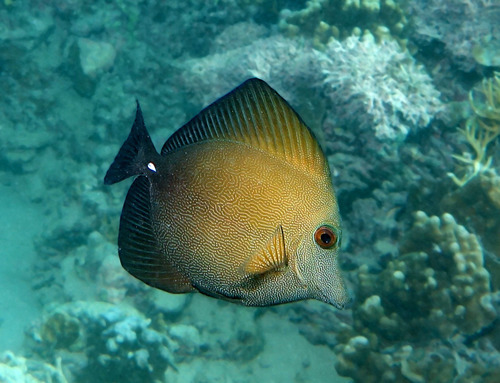
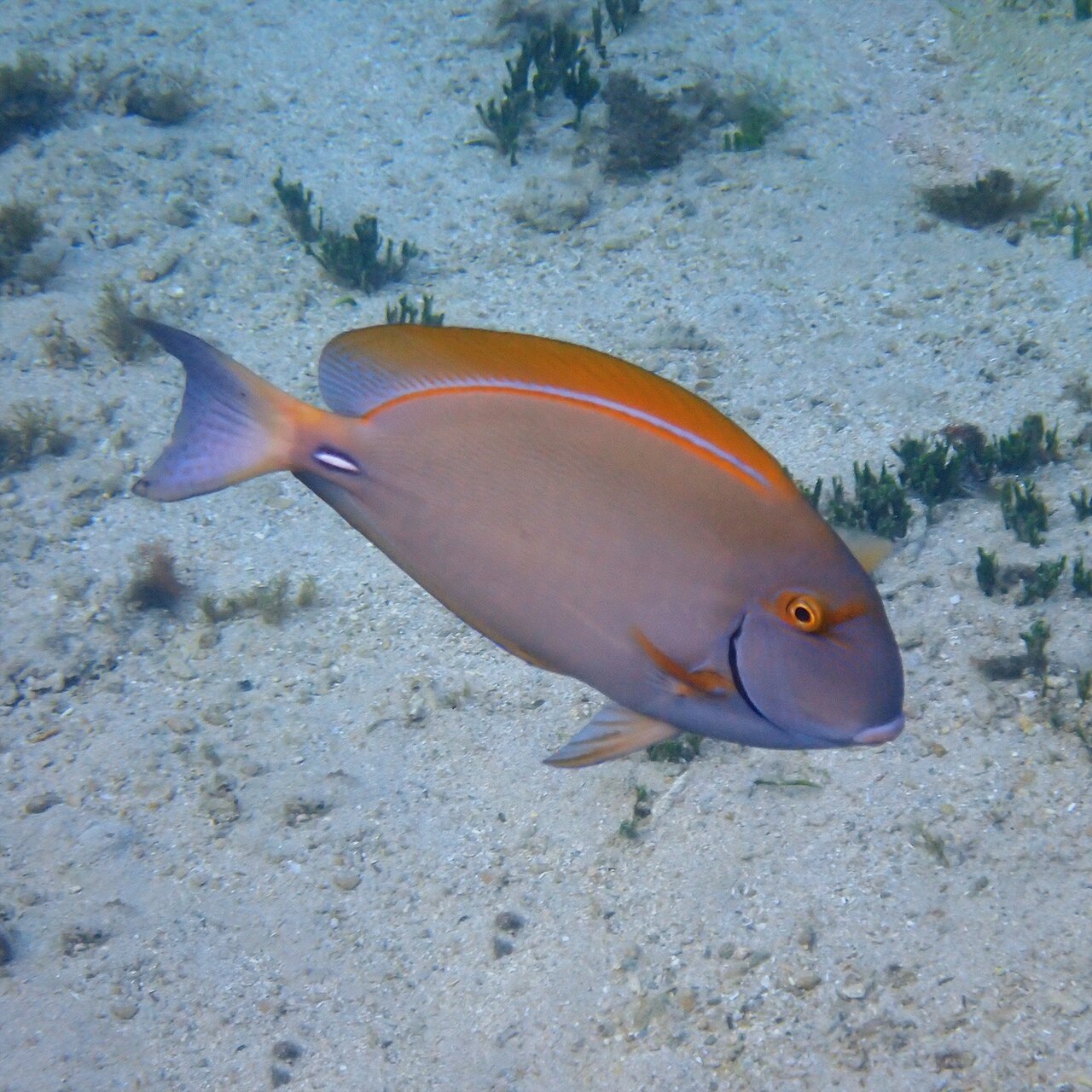
Acanthurus maculiceps, commonly known as the Black-eared Surgeonfish, is a striking marine species belonging to the family Acanthuridae. This fish is primarily found in the Indo-West Pacific region, where it inhabits coral reefs and coastal waters. It is characterized by its distinctive coloration, featuring a pale body adorned with dark spots, and prominent black markings around its eyes, giving it the name 'Black-eared'. This surgeonfish can typically be seen grazing on algae, playing a crucial role in maintaining the health of coral ecosystems.
The Black-eared Surgeonfish exhibits a laterally compressed body typical of surgeonfishes, which allows it to maneuver adeptly through tight reef crevices. Adult specimens can reach up to 25 cm in length. They possess sharp, retractable spines on either side of the tail, which they use defensively against predators. Their diet primarily consists of algae and plant matter, making them an important species for controlling algae growth on reefs.
In terms of behavior, Acanthurus maculiceps is known for its social nature, often forming small groups in the wild. They are relatively active swimmers, displaying territorial behavior, especially during feeding. The coloration of this species can vary depending on environmental factors, ranging from pale to more vibrant hues, making them visually appealing to aquarists.
Habitat-wise, the Black-eared Surgeonfish thrives in warm, shallow waters typically found in reef environments. They prefer areas with abundant algae growth, which serves as their primary food source. Their presence is essential for the ecological balance of coral reefs, as they help to prevent algal overgrowth that can suffocate corals.
The Black-eared Surgeonfish exhibits a laterally compressed body typical of surgeonfishes, which allows it to maneuver adeptly through tight reef crevices. Adult specimens can reach up to 25 cm in length. They possess sharp, retractable spines on either side of the tail, which they use defensively against predators. Their diet primarily consists of algae and plant matter, making them an important species for controlling algae growth on reefs.
In terms of behavior, Acanthurus maculiceps is known for its social nature, often forming small groups in the wild. They are relatively active swimmers, displaying territorial behavior, especially during feeding. The coloration of this species can vary depending on environmental factors, ranging from pale to more vibrant hues, making them visually appealing to aquarists.
Habitat-wise, the Black-eared Surgeonfish thrives in warm, shallow waters typically found in reef environments. They prefer areas with abundant algae growth, which serves as their primary food source. Their presence is essential for the ecological balance of coral reefs, as they help to prevent algal overgrowth that can suffocate corals.
When keeping Black-eared Surgeonfish in captivity, it is essential to replicate their natural habitat as closely as possible. The recommended water parameters include a temperature range of 24-28°C, salinity between 1.020 and 1.025 ppt, and a pH level of 8.1 to 8.4. A minimum tank size of 200 liters is advised to provide ample swimming space and reduce territorial disputes.
In terms of diet, these fish are primarily herbivorous, requiring a diet rich in algae and plant matter. High-quality marine herbivore flakes, spirulina, and dried seaweed should be staples in their feeding regimen. Compatibility with other species is generally good, but caution should be taken to avoid aggressive tank mates. It's recommended to introduce them into a well-established aquarium with plenty of hiding spots and swimming space.
Acclimation should be done slowly to minimize stress; use the drip acclimation method over several hours. Quarantine new arrivals for at least two weeks to monitor for any signs of disease before introducing them to the main display tank. Regular water quality checks and maintaining optimal conditions will support the health and vitality of this species.
In terms of diet, these fish are primarily herbivorous, requiring a diet rich in algae and plant matter. High-quality marine herbivore flakes, spirulina, and dried seaweed should be staples in their feeding regimen. Compatibility with other species is generally good, but caution should be taken to avoid aggressive tank mates. It's recommended to introduce them into a well-established aquarium with plenty of hiding spots and swimming space.
Acclimation should be done slowly to minimize stress; use the drip acclimation method over several hours. Quarantine new arrivals for at least two weeks to monitor for any signs of disease before introducing them to the main display tank. Regular water quality checks and maintaining optimal conditions will support the health and vitality of this species.
The Black-eared Surgeonfish is suitable for shipping, provided that proper care is taken during transit. It is essential to maintain stable temperatures between 24-26°C and use insulated packaging to ensure their safety. A packing density of 1 fish per 10 liters is recommended to minimize stress. The species is not listed under CITES, allowing for easier export compliance.
Species Parameters
Max Adult Size
25.0 cm
Origin
Indo-West Pacific
Habitat
reef
Diet
herbivore
Temp Min
24.0 °C
Temp Max
28.0 °C
Salinity Min
1.020
Salinity Max
1.025
pH Min
8.10
pH Max
8.40
Min Tank
200 L