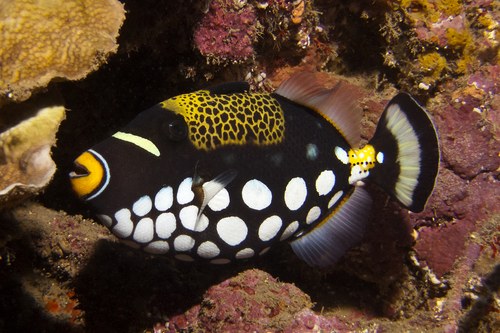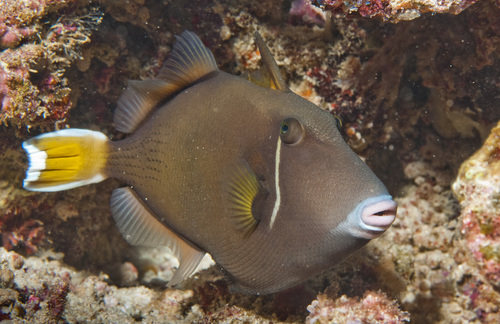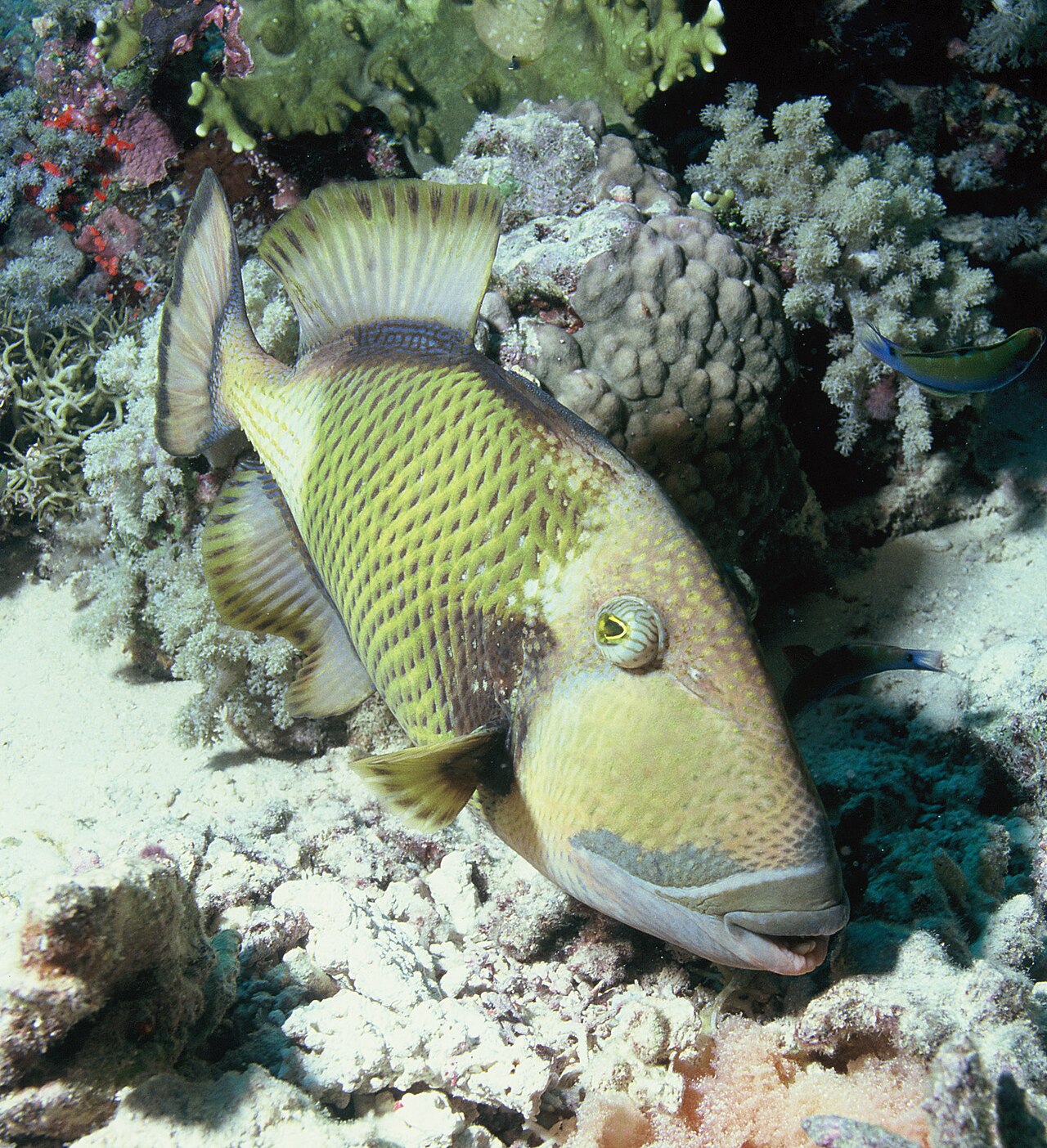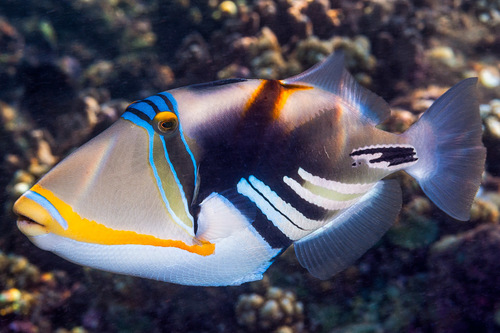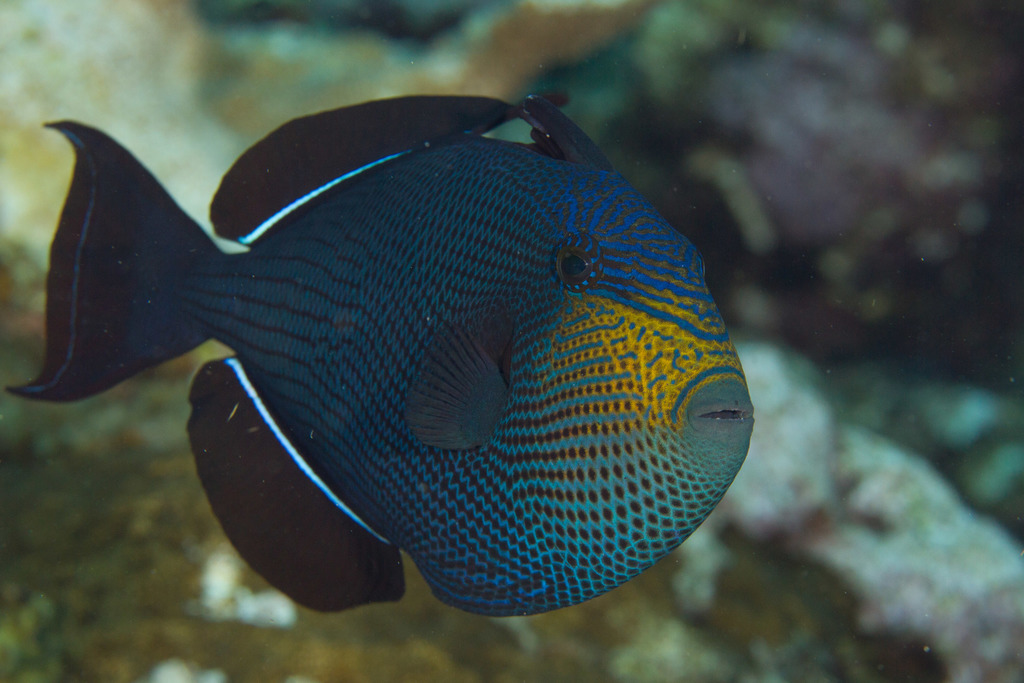
black triggerfish
melichthys niger
In Stock
Common stock
Wild Caught
Moderate care
With Caution
SKU: ML-MF-0373
The black triggerfish is a striking marine species known for its unique coloration and robust personality.
Pricing for Verified Importers
Log in to see wholesale prices and order.
Export Size
up to 30.0 cm
Origin
Indo-Pacific
Temperature
24.0–28.0°C
Min. Tank Size
200 L
Salinity
20.000–25.000 ppt
pH
8.10–8.40
Diet
carnivore
The black triggerfish (Melichthys niger) is a captivating marine species found primarily in the warm waters of the Indo-Pacific region. This fish is characterized by its deep black body, which can exhibit hints of blue or green iridescence under certain lighting conditions. Its robust, oval shape and distinctive trigger-like dorsal fin are not only visually appealing but also serve essential functions in its natural habitat. Black triggerfish can grow up to 30 cm in length, making them a notable presence in any aquarium setting.
In the wild, black triggerfish inhabit coral reefs and rocky areas, often taking shelter among crevices and overhangs. They are primarily found at depths ranging from 5 to 50 meters, where they can forage for a variety of marine invertebrates, including crustaceans and mollusks. Their diet in captivity should mimic their natural feeding habits to ensure optimal health and growth. Black triggerfish are known for their territorial behavior, especially during breeding season, which adds an interesting dynamic to their interactions with tank mates.
Behaviorally, black triggerfish are curious and exhibit a bold demeanor, often exploring their surroundings. They are intelligent fish that require stimulation and enrichment in their environment to prevent boredom and stress. Their social interactions are fascinating to observe, as they can display both aggressive and playful behaviors, particularly when they feel secure in their space. This species is best suited for experienced aquarists who can provide the necessary care and environment.
Overall, the black triggerfish is a remarkable species that not only enhances the aesthetic appeal of aquariums but also captivates enthusiasts with its unique behaviors and interactions. Its adaptability to different habitats makes it a resilient choice for marine fish keepers, provided the necessary conditions are met.
In the wild, black triggerfish inhabit coral reefs and rocky areas, often taking shelter among crevices and overhangs. They are primarily found at depths ranging from 5 to 50 meters, where they can forage for a variety of marine invertebrates, including crustaceans and mollusks. Their diet in captivity should mimic their natural feeding habits to ensure optimal health and growth. Black triggerfish are known for their territorial behavior, especially during breeding season, which adds an interesting dynamic to their interactions with tank mates.
Behaviorally, black triggerfish are curious and exhibit a bold demeanor, often exploring their surroundings. They are intelligent fish that require stimulation and enrichment in their environment to prevent boredom and stress. Their social interactions are fascinating to observe, as they can display both aggressive and playful behaviors, particularly when they feel secure in their space. This species is best suited for experienced aquarists who can provide the necessary care and environment.
Overall, the black triggerfish is a remarkable species that not only enhances the aesthetic appeal of aquariums but also captivates enthusiasts with its unique behaviors and interactions. Its adaptability to different habitats makes it a resilient choice for marine fish keepers, provided the necessary conditions are met.
For successful care of the black triggerfish, it is crucial to maintain stable water parameters. The ideal temperature range is between 24°C to 28°C, with a salinity level of 1.020 to 1.025 ppt. The pH levels should be maintained between 8.1 and 8.4. A minimum tank size of 200 liters is recommended to provide ample space for swimming and territorial behavior.
Feeding should consist of a varied diet of high-quality marine-based pellets, frozen foods such as mysis shrimp, and occasional live foods to mimic their natural diet. Regular feeding of a mix of protein sources will ensure their health and vitality. Compatibility with other species can be challenging; it is best to keep them with robust tank mates that can withstand their sometimes aggressive tendencies.
Acclimation should be done slowly to minimize stress, ideally over a period of several hours. Quarantine new arrivals for at least two weeks to monitor for signs of disease before introducing them to the main tank. Overall, providing a suitable environment and careful monitoring will lead to a successful keeping experience for the black triggerfish.
Feeding should consist of a varied diet of high-quality marine-based pellets, frozen foods such as mysis shrimp, and occasional live foods to mimic their natural diet. Regular feeding of a mix of protein sources will ensure their health and vitality. Compatibility with other species can be challenging; it is best to keep them with robust tank mates that can withstand their sometimes aggressive tendencies.
Acclimation should be done slowly to minimize stress, ideally over a period of several hours. Quarantine new arrivals for at least two weeks to monitor for signs of disease before introducing them to the main tank. Overall, providing a suitable environment and careful monitoring will lead to a successful keeping experience for the black triggerfish.
The black triggerfish is suitable for shipping due to its hardy nature. Packing density should be kept low to minimize stress during transit, ideally no more than one fish per 10 liters of water. They are sensitive to temperature fluctuations, so maintaining a stable environment during shipping is crucial. As of now, there are no specific CITES regulations affecting this species, making it easier for exporters to handle.
Species Parameters
Max Adult Size
30.0 cm
Origin
Indo-Pacific
Diet
carnivore
Temp Min
24.0 °C
Temp Max
28.0 °C
Salinity Min
20.000
Salinity Max
25.000
pH Min
8.10
pH Max
8.40
Min Tank
200 L