Titan trigger
balistoides viridescens
In Stock
Common stock
Wild Caught
Moderate care
With Caution
SKU: ML-MF-0371
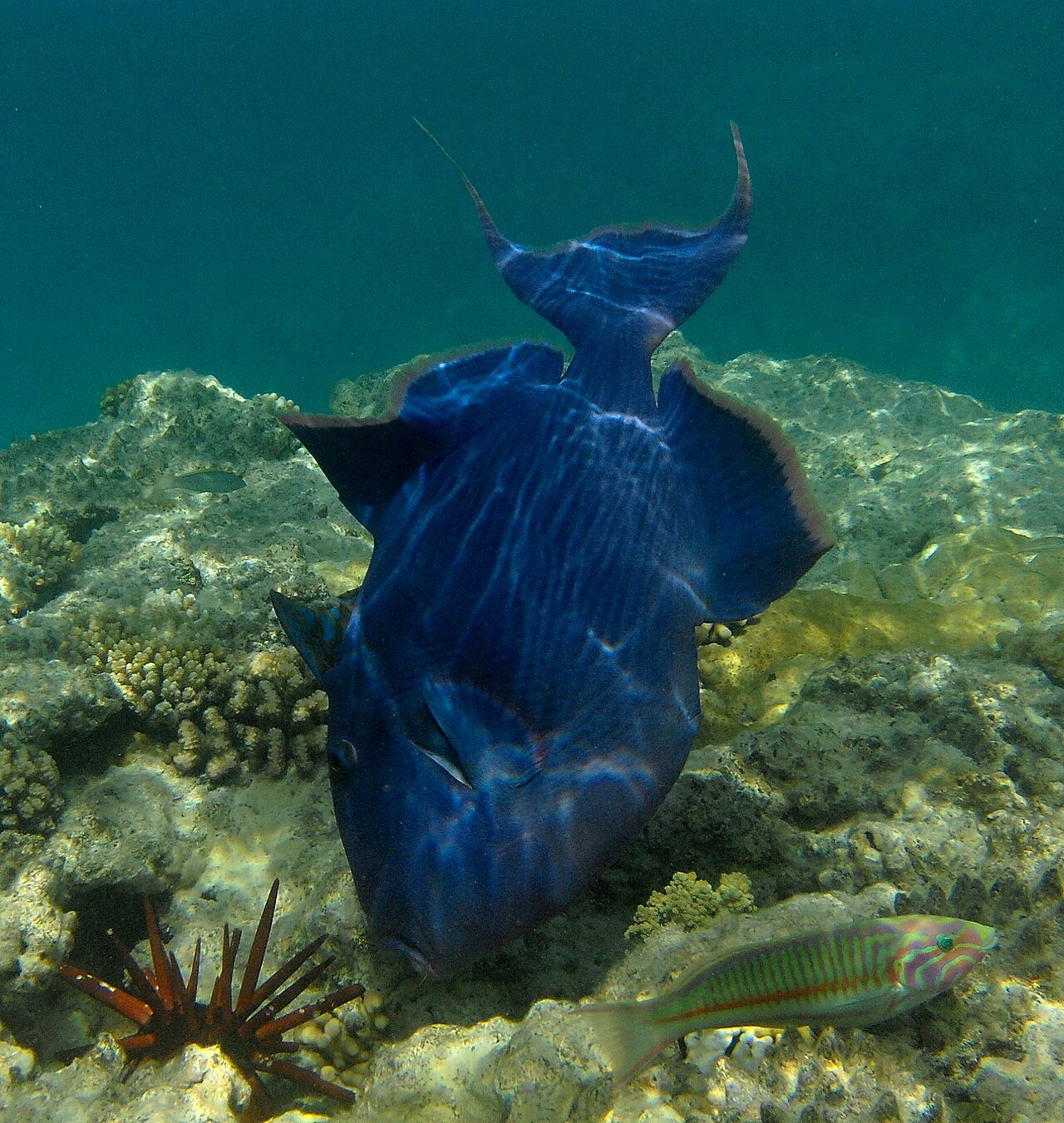
The Titan trigger is a vibrant and robust marine fish known for its unique display of colors and aggressive behavior.
Pricing for Verified Importers
Log in to see wholesale prices and order.
Export Size
up to 75.0 cm
Origin
Indo-Pacific
Temperature
24.0–28.0°C
Min. Tank Size
300 L
Salinity
1.020–1.025 ppt
pH
8.10–8.40
Diet
carnivore
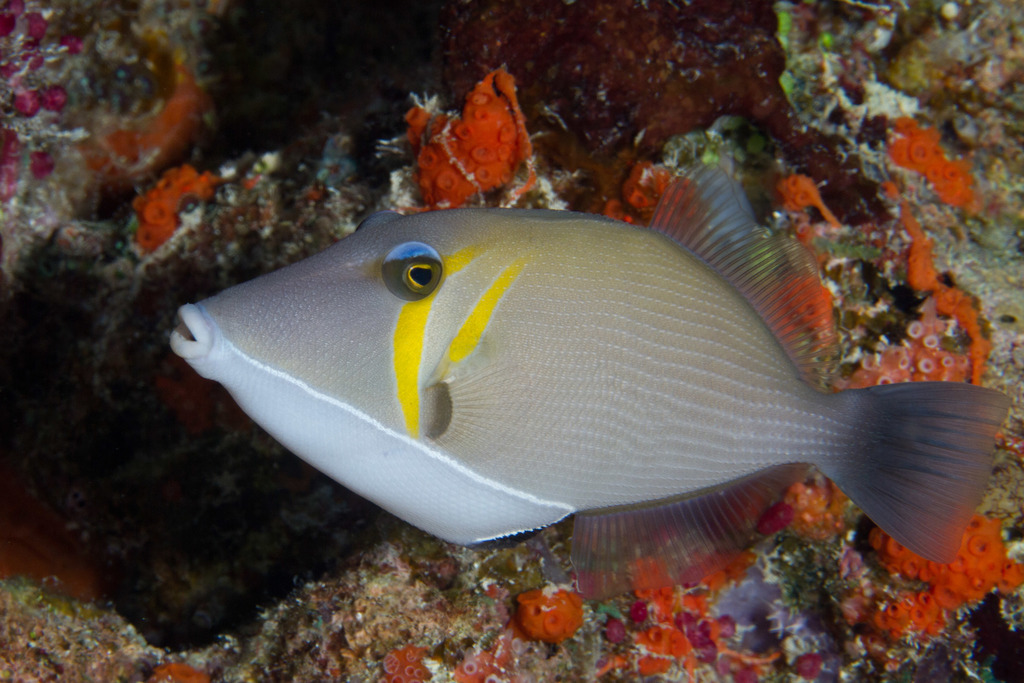
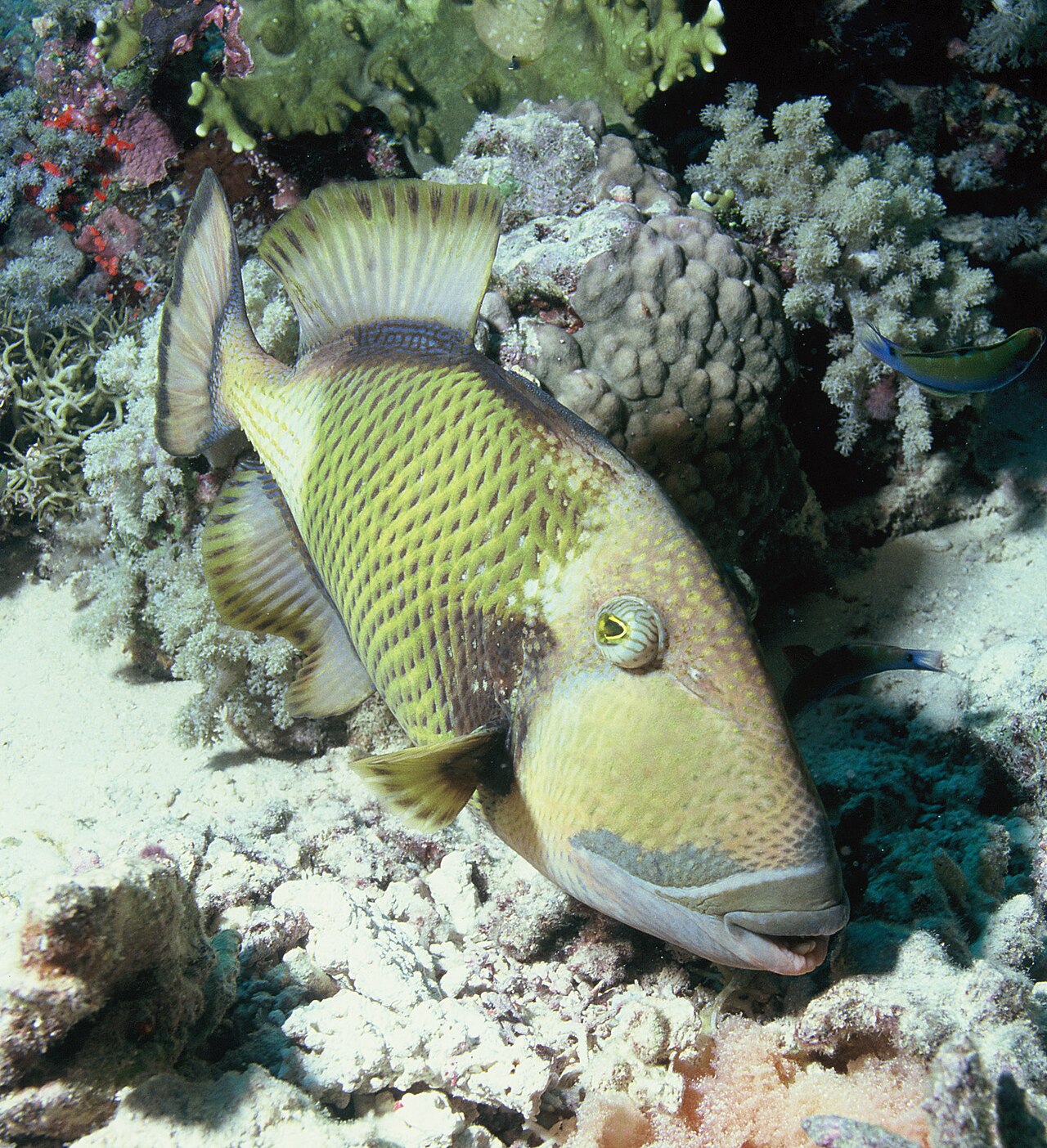
The Titan triggerfish, scientifically known as Balistoides viridescens, is a striking marine species native to the warm waters of the Indo-Pacific region. It is characterized by its large, oval-shaped body, which can exhibit a stunning array of colors, including shades of blue, green, and yellow, often highlighted by dark markings. This fish is easily recognizable by its pronounced forehead and powerful jaws that are adept at crushing hard-shelled prey. Adult Titan triggers can grow up to 75 cm in length, making them one of the larger species in the triggerfish family.
Inhabiting coral reefs and rocky substrates, Titan triggerfish are primarily found in shallow lagoons and reef slopes, where they thrive among rich marine biodiversity. Their habitat is crucial for their feeding habits, as they utilize their strong teeth to forage for crustaceans, mollusks, and other small invertebrates. These fish are also known to exhibit territorial behavior, particularly during breeding seasons, aggressively defending their nesting sites from intruders and showcasing their vibrant colors to attract mates.
Behaviorally, Titan triggers are both curious and assertive. They can be quite playful but may exhibit aggressive tendencies, especially in confined spaces. Their intelligence and adaptability make them a fascinating species for aquarists, although their assertive nature requires careful consideration when selecting tank mates. In the wild, they often display complex social behaviors, interacting with various reef inhabitants and participating in symbiotic relationships with cleaner organisms.
The Titan triggerfish plays a significant role in its ecosystem, contributing to the health of coral reefs by controlling invertebrate populations. Conservation efforts are essential to ensure the sustainability of their populations, as they are often targeted by both the aquarium trade and local fisheries. Ensuring a balanced ecosystem in their natural habitat is crucial for the continued survival of this spectacular species.
Inhabiting coral reefs and rocky substrates, Titan triggerfish are primarily found in shallow lagoons and reef slopes, where they thrive among rich marine biodiversity. Their habitat is crucial for their feeding habits, as they utilize their strong teeth to forage for crustaceans, mollusks, and other small invertebrates. These fish are also known to exhibit territorial behavior, particularly during breeding seasons, aggressively defending their nesting sites from intruders and showcasing their vibrant colors to attract mates.
Behaviorally, Titan triggers are both curious and assertive. They can be quite playful but may exhibit aggressive tendencies, especially in confined spaces. Their intelligence and adaptability make them a fascinating species for aquarists, although their assertive nature requires careful consideration when selecting tank mates. In the wild, they often display complex social behaviors, interacting with various reef inhabitants and participating in symbiotic relationships with cleaner organisms.
The Titan triggerfish plays a significant role in its ecosystem, contributing to the health of coral reefs by controlling invertebrate populations. Conservation efforts are essential to ensure the sustainability of their populations, as they are often targeted by both the aquarium trade and local fisheries. Ensuring a balanced ecosystem in their natural habitat is crucial for the continued survival of this spectacular species.
To successfully care for Titan triggerfish, it's essential to maintain optimal water parameters. The recommended temperature range is between 24°C to 28°C, with a salinity level of 1.020 to 1.025 ppt. The pH should be maintained between 8.1 and 8.4 to replicate their natural environment. A minimum tank size of 300 liters is advisable to provide ample swimming space and reduce territorial disputes.
Feeding these vibrant fish requires a varied diet to ensure their health and coloration. A mix of high-quality pellets, frozen or live foods such as shrimp, mussels, and other meaty offerings will keep them in peak condition. It's important to feed them multiple times a day in small portions to mimic their natural foraging behavior.
Compatibility can be a challenge, as Titan triggers can be aggressive, especially towards smaller or more docile species. It is best to house them with larger and more assertive fish to prevent bullying. Acclimation should be done slowly to minimize stress; floating the bag in the tank for 20-30 minutes before introducing the fish is recommended. Quarantine new arrivals for at least two weeks to ensure they are free from disease before adding them to your main display tank.
Feeding these vibrant fish requires a varied diet to ensure their health and coloration. A mix of high-quality pellets, frozen or live foods such as shrimp, mussels, and other meaty offerings will keep them in peak condition. It's important to feed them multiple times a day in small portions to mimic their natural foraging behavior.
Compatibility can be a challenge, as Titan triggers can be aggressive, especially towards smaller or more docile species. It is best to house them with larger and more assertive fish to prevent bullying. Acclimation should be done slowly to minimize stress; floating the bag in the tank for 20-30 minutes before introducing the fish is recommended. Quarantine new arrivals for at least two weeks to ensure they are free from disease before adding them to your main display tank.
Titan triggerfish are suitable for shipping due to their hardiness, but care should be taken to minimize stress during transport. Packing density should be kept low to allow for movement and oxygen exchange. They are sensitive to temperature fluctuations, so it's crucial to maintain a stable environment between 24°C and 28°C during transit. This species is not listed under CITES, facilitating easier export.
Species Parameters
Max Adult Size
75.0 cm
Origin
Indo-Pacific
Diet
carnivore
Temp Min
24.0 °C
Temp Max
28.0 °C
Salinity Min
1.020
Salinity Max
1.025
pH Min
8.10
pH Max
8.40
Min Tank
300 L