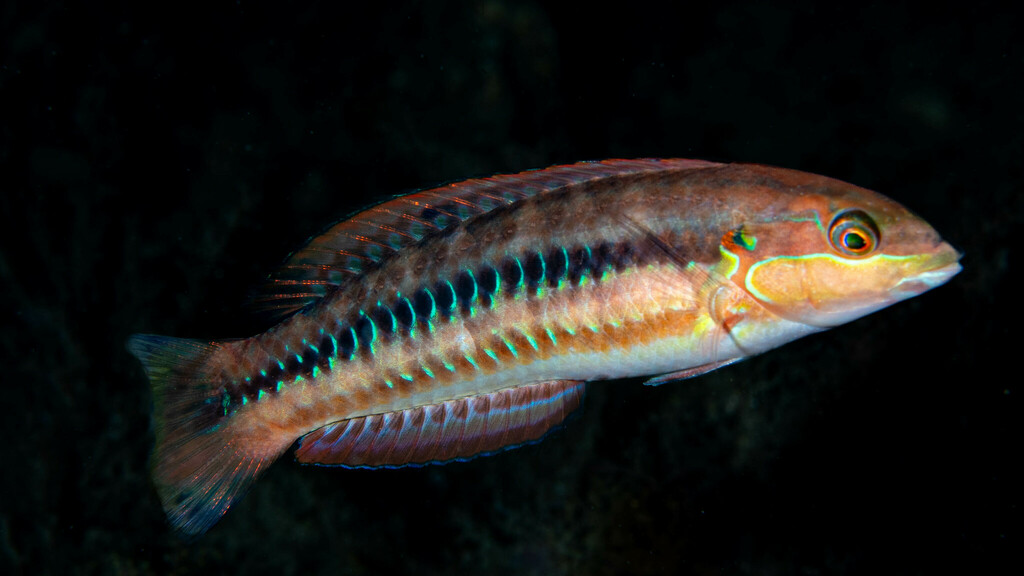

Carpenter's Flasher Wrasse
Paracheilinus carpenteri
In Stock
Moderate stock
Wild Caught
Moderate care
Reef Safe ✓
SKU: D081A
The Carpenter's Flasher Wrasse dazzles with vibrant colors and unique behaviors.
Pricing for Verified Importers
Log in to see wholesale prices and order.
Export Size
up to 8.0 cm
Origin
Indo-Pacific
Temperature
24.0–28.0°C
Min. Tank Size
200 L
Salinity
35.000–35.000 ppt
pH
8.10–8.40
Diet
omnivore
The Carpenter's Flasher Wrasse (Paracheilinus carpenteri) is a striking marine fish known for its vibrant coloration and dynamic courtship displays. This species is endemic to the coral reefs of the Indo-Pacific, particularly around Indonesia and the surrounding areas. It inhabits shallow waters, often found in lagoons and on coral reefs where it can utilize the complex structure for both shelter and feeding. This species is part of the Labridae family, which includes many colorful and active wrasses.
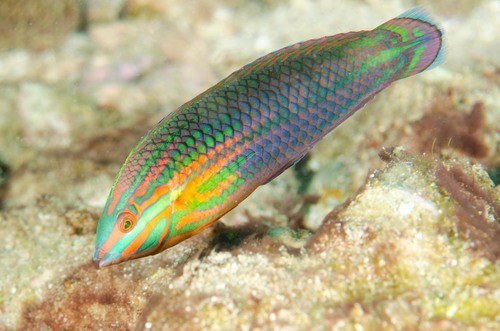
Adult Carpenter's Flasher Wrasses exhibit remarkable sexual dimorphism, with males showcasing brilliant hues of blue, yellow, and orange, contrasted by a sleek body shape. Their distinctive appearance is further enhanced during the breeding season when males perform elaborate flashing displays to attract females. These displays involve rapid movements and color changes that make them a mesmerizing sight in the aquarium or natural habitat. Females tend to be less colorful, featuring more muted tones that provide better camouflage among the reef.
In terms of behavior, Carpenter's Flasher Wrasses are known to be social and often found in small groups. They are diurnal, spending their days foraging for small invertebrates and algae among the coral. Their active nature makes them engaging to observe, as they dart in and out of crevices while displaying their vibrant colors. They are generally peaceful but can exhibit territorial behaviors, especially males during mating rituals.
This species thrives in well-established reef ecosystems, which provide ample hiding spots and food sources. The Carpenter's Flasher Wrasse plays a vital role in maintaining the health of coral reefs by helping control pest populations and promoting biodiversity. Its presence in the aquarium trade not only appeals to enthusiasts for its aesthetic qualities but also serves as a reminder of the importance of preserving natural habitats.
Adult Carpenter's Flasher Wrasses exhibit remarkable sexual dimorphism, with males showcasing brilliant hues of blue, yellow, and orange, contrasted by a sleek body shape. Their distinctive appearance is further enhanced during the breeding season when males perform elaborate flashing displays to attract females. These displays involve rapid movements and color changes that make them a mesmerizing sight in the aquarium or natural habitat. Females tend to be less colorful, featuring more muted tones that provide better camouflage among the reef.
In terms of behavior, Carpenter's Flasher Wrasses are known to be social and often found in small groups. They are diurnal, spending their days foraging for small invertebrates and algae among the coral. Their active nature makes them engaging to observe, as they dart in and out of crevices while displaying their vibrant colors. They are generally peaceful but can exhibit territorial behaviors, especially males during mating rituals.
This species thrives in well-established reef ecosystems, which provide ample hiding spots and food sources. The Carpenter's Flasher Wrasse plays a vital role in maintaining the health of coral reefs by helping control pest populations and promoting biodiversity. Its presence in the aquarium trade not only appeals to enthusiasts for its aesthetic qualities but also serves as a reminder of the importance of preserving natural habitats.
To successfully care for Carpenter's Flasher Wrasse in an aquarium setting, it is essential to replicate their natural environment as closely as possible. A minimum tank size of 200 liters is recommended to allow for adequate swimming space and territorial behavior. Water parameters should be maintained within a temperature range of 24-28°C, salinity of 1.020-1.025 ppt, and pH between 8.1 and 8.4, which mirrors their natural habitat.
Feeding should consist of a varied diet that includes high-quality marine flakes, frozen foods such as brine shrimp and mysis shrimp, as well as live food to stimulate natural foraging behavior. Regular feeding schedules will ensure they receive the necessary nutrients to thrive. Compatibility with other species is generally good, but caution should be taken when introducing them to aggressive or overly territorial fish.
Acclimation is crucial for reducing stress during the transition from shipping. A slow drip acclimation method is recommended to help them adjust to new water conditions. It is also advisable to quarantine new arrivals for at least two weeks to monitor for any signs of disease or stress before introducing them to the main display tank. This practice not only enhances their health but also helps prevent potential outbreaks in the aquarium.
Feeding should consist of a varied diet that includes high-quality marine flakes, frozen foods such as brine shrimp and mysis shrimp, as well as live food to stimulate natural foraging behavior. Regular feeding schedules will ensure they receive the necessary nutrients to thrive. Compatibility with other species is generally good, but caution should be taken when introducing them to aggressive or overly territorial fish.
Acclimation is crucial for reducing stress during the transition from shipping. A slow drip acclimation method is recommended to help them adjust to new water conditions. It is also advisable to quarantine new arrivals for at least two weeks to monitor for any signs of disease or stress before introducing them to the main display tank. This practice not only enhances their health but also helps prevent potential outbreaks in the aquarium.
Carpenter's Flasher Wrasse are suitable for shipping due to their resilience. They should be packed in well-oxygenated bags with adequate water volume to minimize stress during transport. A shipping temperature range of 24-26°C is optimal to ensure their health upon arrival. CITES status is not applicable for this species, making it easier for exporters to facilitate trade. It is recommended to maintain lower packing densities to ensure adequate oxygen levels during transit.
Species Parameters
Max Adult Size
8.0 cm
Origin
Indo-Pacific
Habitat
reef
Diet
omnivore
Temp Min
24.0 °C
Temp Max
28.0 °C
Salinity Min
35.000
Salinity Max
35.000
pH Min
8.10
pH Max
8.40
Min Tank
200 L