Belted Wrasse
stethojulis balteata
In Stock
Common stock
Wild Caught
Moderate care
With Caution
SKU: ML-MF-0426
The Belted Wrasse is a vibrant marine fish known for its striking coloration and active behavior.
Pricing for Verified Importers
Log in to see wholesale prices and order.
Export Size
up to 15.0 cm
Origin
Indo-Pacific
Temperature
24.0–28.0°C
Min. Tank Size
200 L
Salinity
35.000–35.000 ppt
pH
8.10–8.40
Diet
omnivore
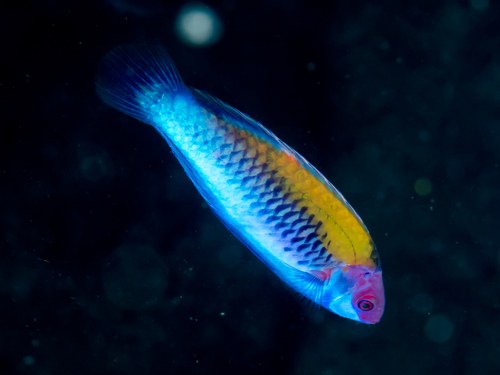
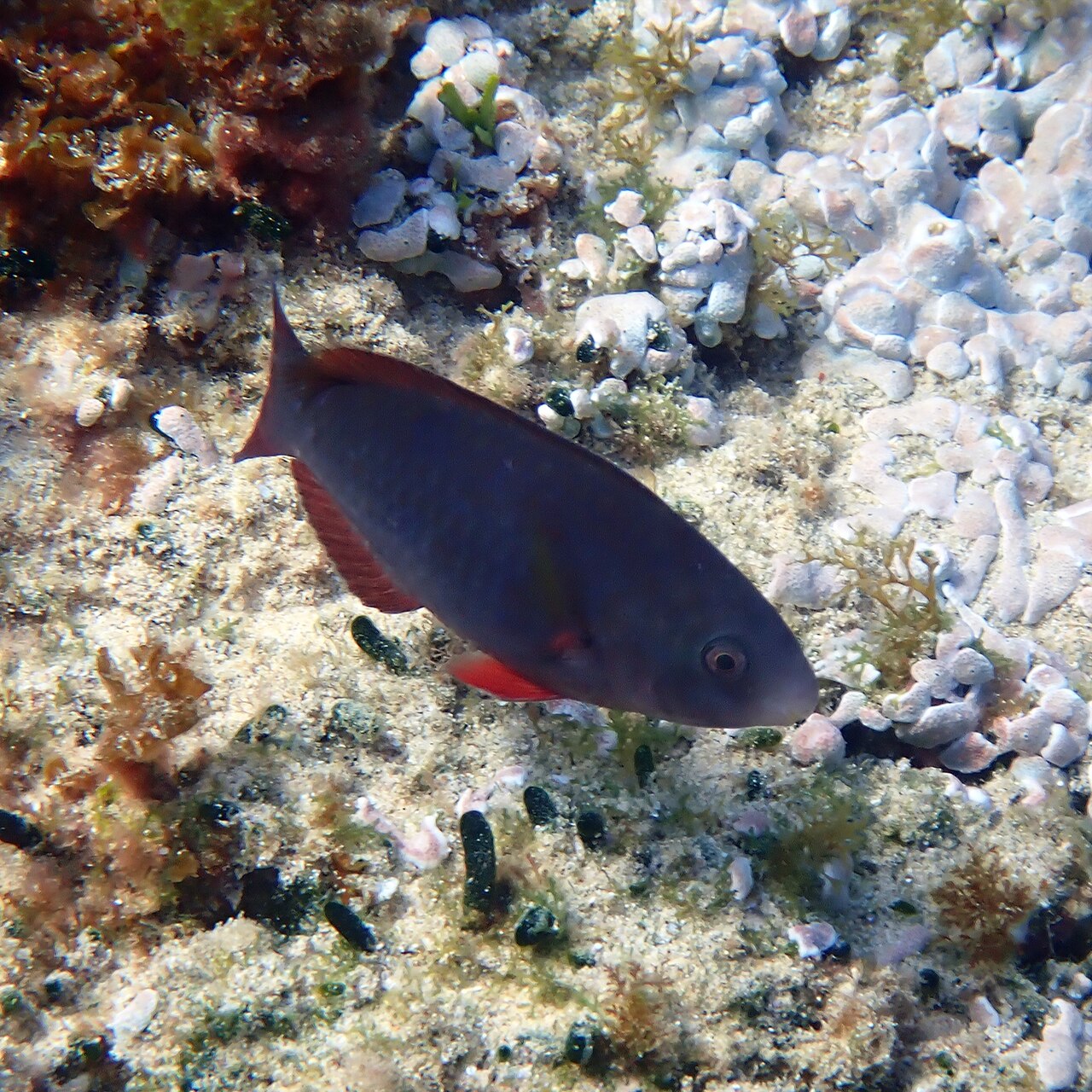
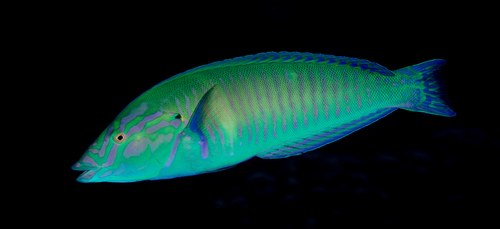
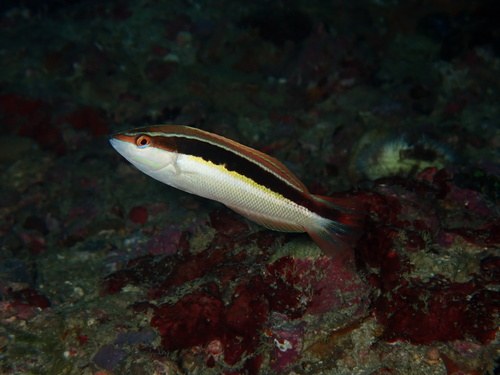
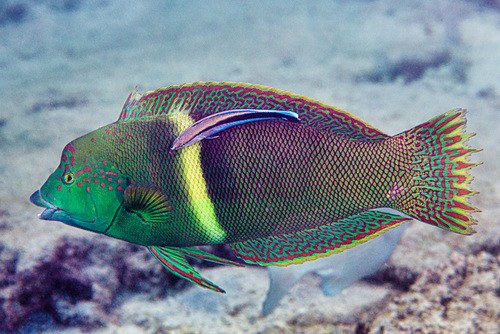
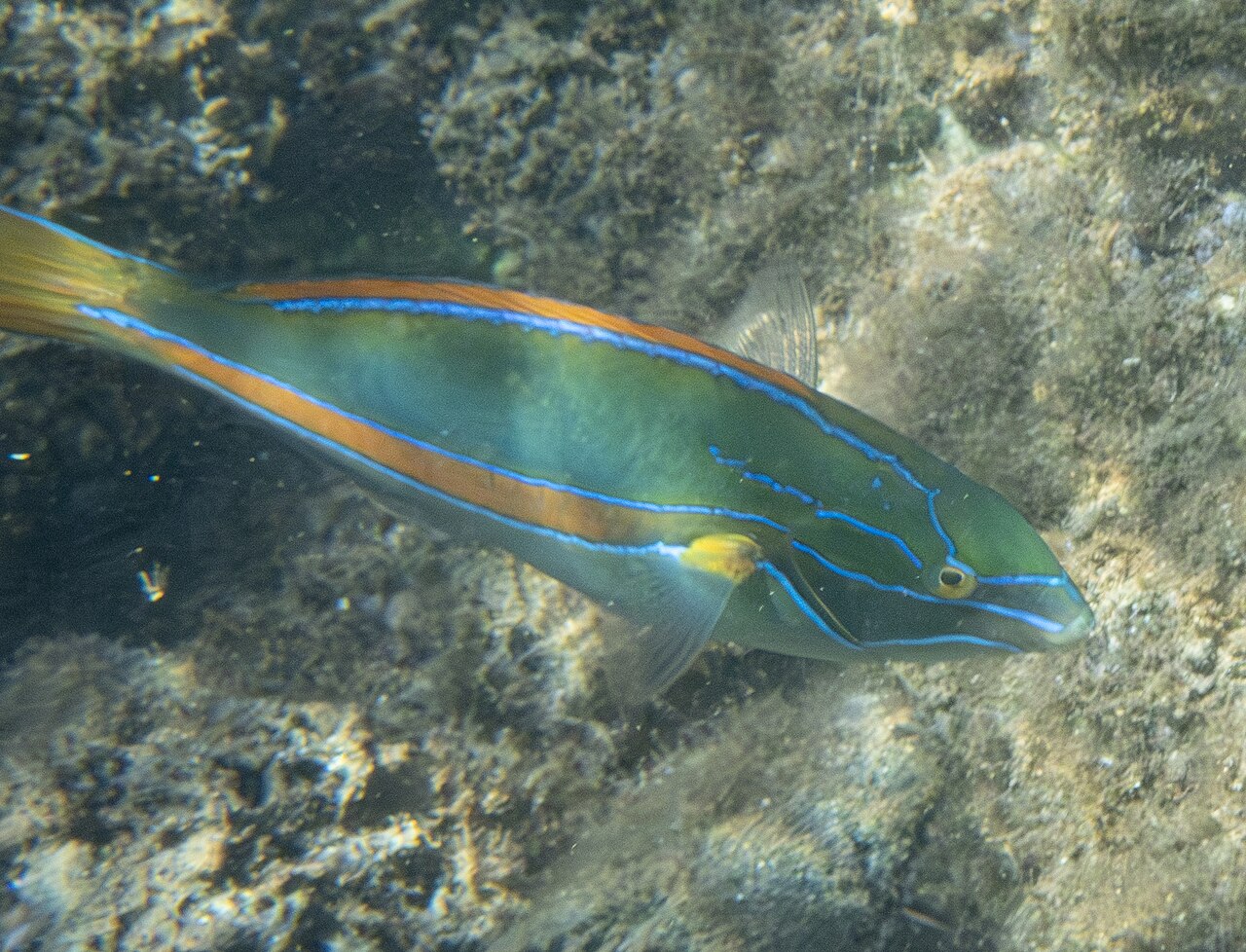
The Belted Wrasse (Stethojulis balteata) is a captivating marine fish native to the coral reefs of the Indo-Pacific region. This species is renowned for its vibrant blue and yellow coloration, featuring a series of distinct horizontal stripes that add to its appeal. Adult individuals typically reach a maximum size of 15 cm, making them an attractive option for both public aquariums and private collections. Their slender body and elongated shape allow them to navigate through complex reef structures with ease.
In terms of behavior, Belted Wrasses are diurnal and are often seen foraging in small groups or pairs during daylight hours. They exhibit a curious nature and are known to interact with their environment, often darting in and out of crevices among coral formations. Their diet primarily consists of small invertebrates, which they skillfully hunt among the reef. This active feeding behavior not only contributes to their vibrant personality but also plays a crucial role in maintaining the health of the reef ecosystem by controlling invertebrate populations.
Belted Wrasses inhabit shallow waters, typically found at depths ranging from 1 to 30 meters. They prefer sandy or rubble substrates adjacent to coral reefs, where they can find ample shelter and food sources. Their preference for well-structured environments makes them an essential part of the reef community, as they help maintain the balance within their habitat.
Overall, the Belted Wrasse's dynamic behavior and stunning appearance make it a sought-after species for aquarists looking to enhance their marine displays with an active and colorful fish.
In terms of behavior, Belted Wrasses are diurnal and are often seen foraging in small groups or pairs during daylight hours. They exhibit a curious nature and are known to interact with their environment, often darting in and out of crevices among coral formations. Their diet primarily consists of small invertebrates, which they skillfully hunt among the reef. This active feeding behavior not only contributes to their vibrant personality but also plays a crucial role in maintaining the health of the reef ecosystem by controlling invertebrate populations.
Belted Wrasses inhabit shallow waters, typically found at depths ranging from 1 to 30 meters. They prefer sandy or rubble substrates adjacent to coral reefs, where they can find ample shelter and food sources. Their preference for well-structured environments makes them an essential part of the reef community, as they help maintain the balance within their habitat.
Overall, the Belted Wrasse's dynamic behavior and stunning appearance make it a sought-after species for aquarists looking to enhance their marine displays with an active and colorful fish.
To successfully care for Belted Wrasses, importers and retailers should ensure water parameters are optimal for their health. The ideal temperature range is between 24°C and 28°C, with a salinity level of 35 ppt. A pH level between 8.1 and 8.4 is also recommended to create a stable environment. These fish thrive in well-oxygenated water, so strong filtration and regular water changes are essential.
Feeding should consist of a varied diet that includes high-quality marine flakes, frozen or live brine shrimp, and small invertebrates to meet their omnivorous dietary needs. It’s important to feed them multiple times a day to ensure they receive adequate nutrition, as they tend to be active foragers.
In terms of compatibility, Belted Wrasses are generally peaceful but can be territorial, especially towards their own species. It is advisable to keep them in groups of odd numbers or as a single specimen in a community tank. Acclimation should be gradual; floating the bag in the aquarium for 15-20 minutes before introducing them allows for temperature equalization, followed by drip acclimation to minimize stress.
Quarantine is highly recommended for new arrivals to prevent the introduction of diseases to the main display tank. A quarantine period of at least two weeks is ideal, allowing for observation and treatment if necessary.
Feeding should consist of a varied diet that includes high-quality marine flakes, frozen or live brine shrimp, and small invertebrates to meet their omnivorous dietary needs. It’s important to feed them multiple times a day to ensure they receive adequate nutrition, as they tend to be active foragers.
In terms of compatibility, Belted Wrasses are generally peaceful but can be territorial, especially towards their own species. It is advisable to keep them in groups of odd numbers or as a single specimen in a community tank. Acclimation should be gradual; floating the bag in the aquarium for 15-20 minutes before introducing them allows for temperature equalization, followed by drip acclimation to minimize stress.
Quarantine is highly recommended for new arrivals to prevent the introduction of diseases to the main display tank. A quarantine period of at least two weeks is ideal, allowing for observation and treatment if necessary.
Belted Wrasses are suitable for shipping due to their resilience. A packing density of 1 fish per 5 liters of water is recommended to reduce stress during transit. They are sensitive to temperature fluctuations, so maintaining a stable temperature between 24°C and 28°C during shipping is crucial. This species is not listed under CITES, which simplifies export processes.
Species Parameters
Max Adult Size
15.0 cm
Origin
Indo-Pacific
Diet
omnivore
Temp Min
24.0 °C
Temp Max
28.0 °C
Salinity Min
35.000
Salinity Max
35.000
pH Min
8.10
pH Max
8.40
Min Tank
200 L