Dusky Tailed Wrasse
Platyglossus chrysotaenia
In Stock
Common stock
Wild Caught
Moderate care
With Caution
SKU: CB-MF-0148
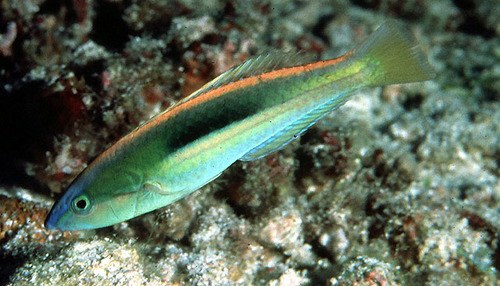
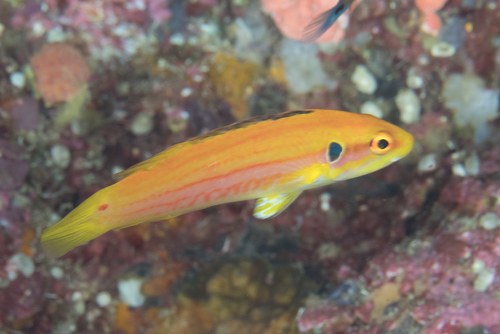
The Dusky Tailed Wrasse is a vibrant marine fish known for its striking color and behavior.
Pricing for Verified Importers
Log in to see wholesale prices and order.
Export Size
up to 15.0 cm
Origin
Indo-Pacific
Temperature
24.0–28.0°C
Min. Tank Size
200 L
Salinity
1.020–1.025 ppt
pH
8.10–8.40
Diet
carnivore
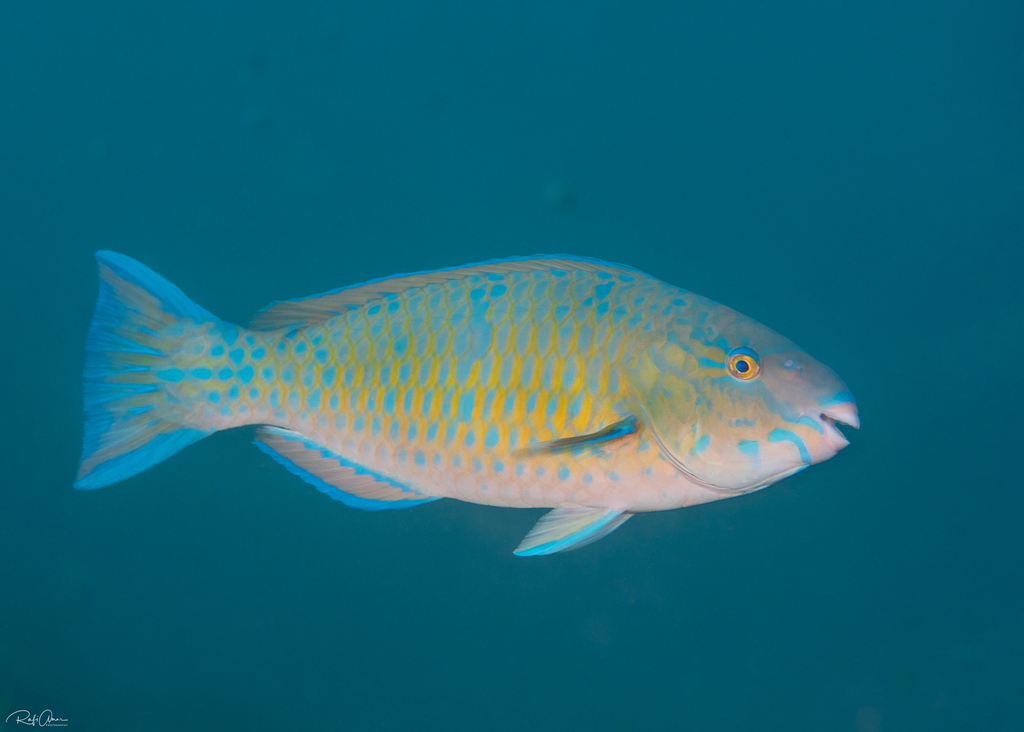
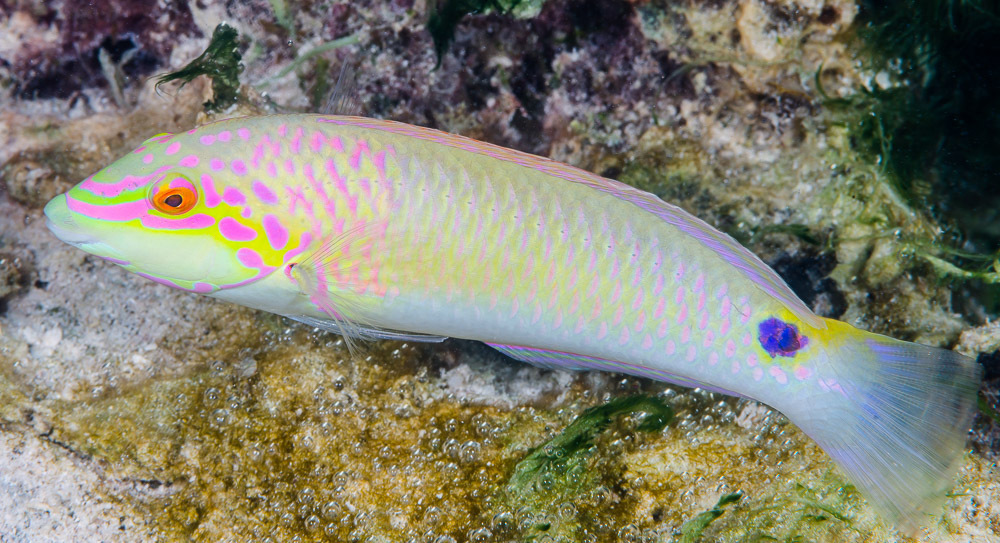
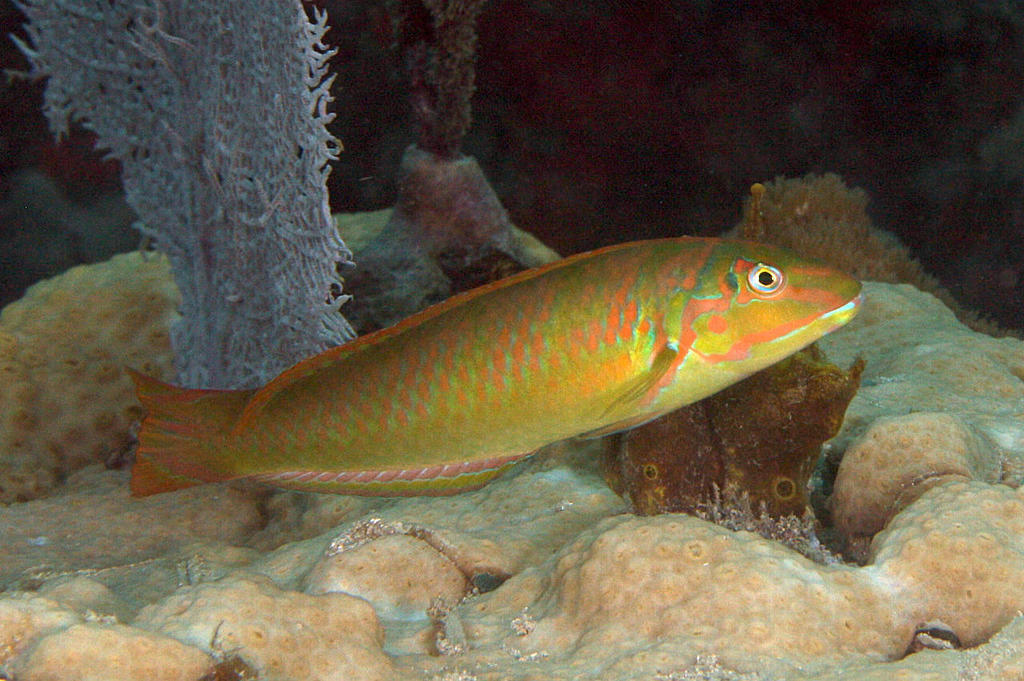
The Dusky Tailed Wrasse (Platyglossus chrysotaenia) is a captivating addition to any marine aquarium, native to the coral reefs of the Indo-Pacific region. This species is characterized by its beautiful coloration, which features a combination of deep blue and yellow hues, making it visually appealing to both aquarists and casual observers alike. The fish is adorned with a distinctive dusky tail, which sets it apart from other wrasse species and contributes to its unique charm.
In terms of natural history, the Dusky Tailed Wrasse inhabits shallow coral reef environments, typically found at depths ranging from 10 to 30 meters. It thrives in areas rich in coral and other marine life, where it engages in various behaviors such as foraging for food and establishing territories. The species exhibits a diurnal lifestyle, being most active during the day, which allows it to interact with other fish and utilize the reef's resources effectively.
Behaviorally, the Dusky Tailed Wrasse is known for its inquisitive nature and can often be seen darting around the reef in search of small invertebrates and crustaceans, which form a significant part of its diet. It has a social structure, often found in small groups or pairs, displaying territorial behaviors, especially during breeding seasons. Their vibrant colors and lively behavior make them a favorite among aquarium enthusiasts.
Habitat-wise, this species is sensitive to environmental changes, making it a bioindicator for reef health. Preservation of their natural habitats is crucial for their survival, highlighting the importance of sustainable practices in the aquarium trade. Importers and wholesalers can play a vital role in promoting responsible sourcing and conservation efforts to ensure the long-term viability of this species in the wild.
In terms of natural history, the Dusky Tailed Wrasse inhabits shallow coral reef environments, typically found at depths ranging from 10 to 30 meters. It thrives in areas rich in coral and other marine life, where it engages in various behaviors such as foraging for food and establishing territories. The species exhibits a diurnal lifestyle, being most active during the day, which allows it to interact with other fish and utilize the reef's resources effectively.
Behaviorally, the Dusky Tailed Wrasse is known for its inquisitive nature and can often be seen darting around the reef in search of small invertebrates and crustaceans, which form a significant part of its diet. It has a social structure, often found in small groups or pairs, displaying territorial behaviors, especially during breeding seasons. Their vibrant colors and lively behavior make them a favorite among aquarium enthusiasts.
Habitat-wise, this species is sensitive to environmental changes, making it a bioindicator for reef health. Preservation of their natural habitats is crucial for their survival, highlighting the importance of sustainable practices in the aquarium trade. Importers and wholesalers can play a vital role in promoting responsible sourcing and conservation efforts to ensure the long-term viability of this species in the wild.
For importers and retailers, providing optimal care for the Dusky Tailed Wrasse is essential for its health and longevity. Ideal water parameters include a temperature range of 24-28°C, salinity between 1.020 and 1.025 ppt, and a pH level of 8.1 to 8.4. Regular water quality testing and maintenance are critical to ensure stable conditions.
The Dusky Tailed Wrasse is primarily carnivorous, thriving on a diet that includes high-quality frozen or live foods such as brine shrimp, mysis shrimp, and finely chopped seafood. It is important to feed them multiple times a day to promote growth and vitality. In terms of compatibility, this species tends to be peaceful but can display territorial behavior towards other wrasses, so careful consideration should be given when selecting tank mates.
Acclimation is crucial for reducing stress; a slow drip acclimation method is recommended to help the fish adjust to new water conditions. Quarantine is also advised before introducing any new fish to the main display tank to prevent the spread of disease. Ensuring these best practices will help maintain a healthy and vibrant Dusky Tailed Wrasse in your aquarium.
The Dusky Tailed Wrasse is primarily carnivorous, thriving on a diet that includes high-quality frozen or live foods such as brine shrimp, mysis shrimp, and finely chopped seafood. It is important to feed them multiple times a day to promote growth and vitality. In terms of compatibility, this species tends to be peaceful but can display territorial behavior towards other wrasses, so careful consideration should be given when selecting tank mates.
Acclimation is crucial for reducing stress; a slow drip acclimation method is recommended to help the fish adjust to new water conditions. Quarantine is also advised before introducing any new fish to the main display tank to prevent the spread of disease. Ensuring these best practices will help maintain a healthy and vibrant Dusky Tailed Wrasse in your aquarium.
The Dusky Tailed Wrasse is suitable for shipping, but care must be taken to ensure its well-being during transit. Packing density should be moderate to minimize stress, and maintaining a stable temperature between 24-28°C during shipping is essential. This species is not listed on the CITES appendices, making it easier for exporters to ship without additional regulatory concerns. Proper packing techniques will ensure that these beautiful fish arrive healthy and vibrant at their destination.
Species Parameters
Max Adult Size
15.0 cm
Origin
Indo-Pacific
Diet
carnivore
Temp Min
24.0 °C
Temp Max
28.0 °C
Salinity Min
1.020
Salinity Max
1.025
pH Min
8.10
pH Max
8.40
Min Tank
200 L