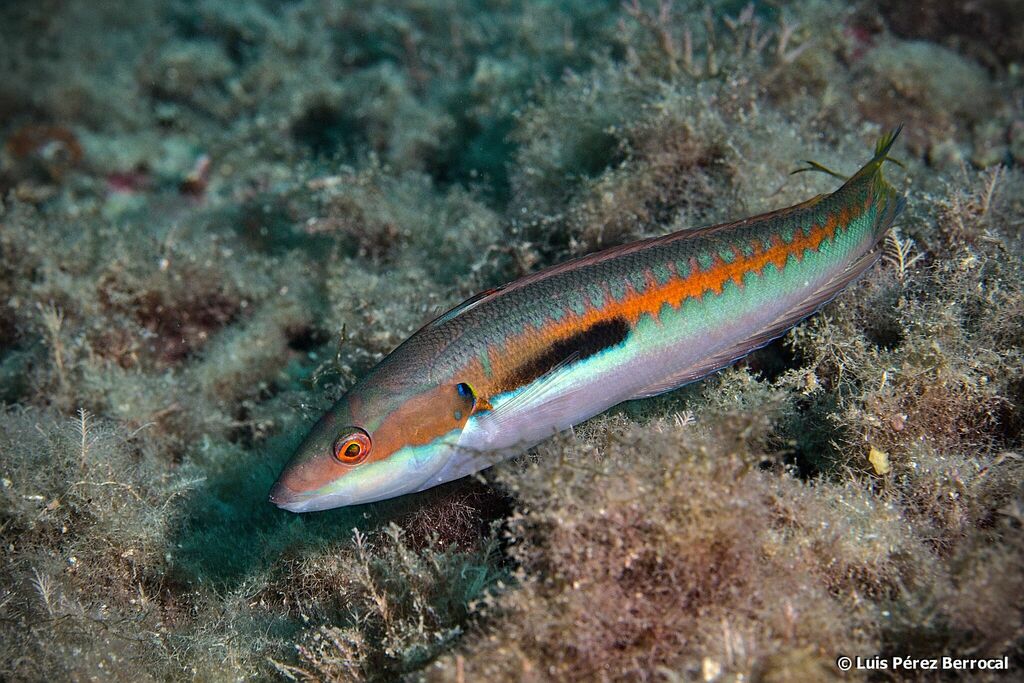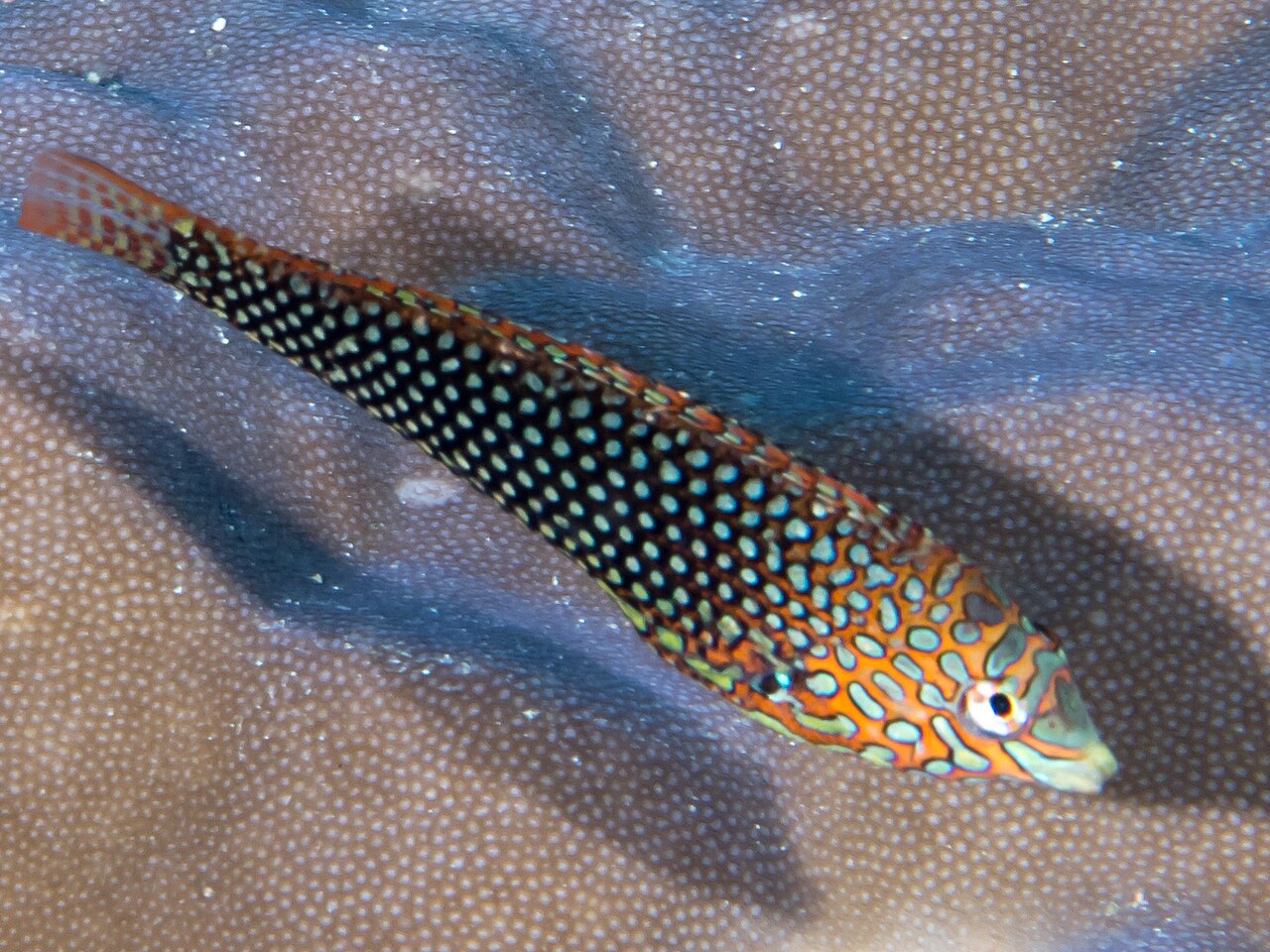
False leopard
macropharyngodon ornatus
In Stock
Common stock
Wild Caught
Moderate care
With Caution
SKU: ML-MF-0396
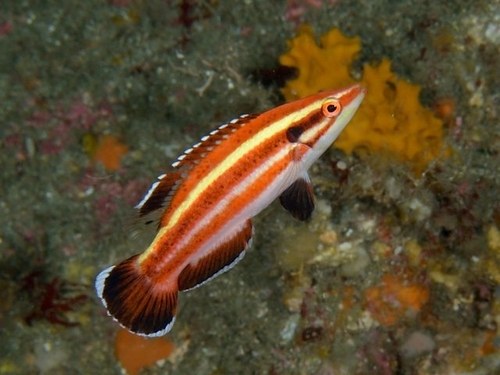
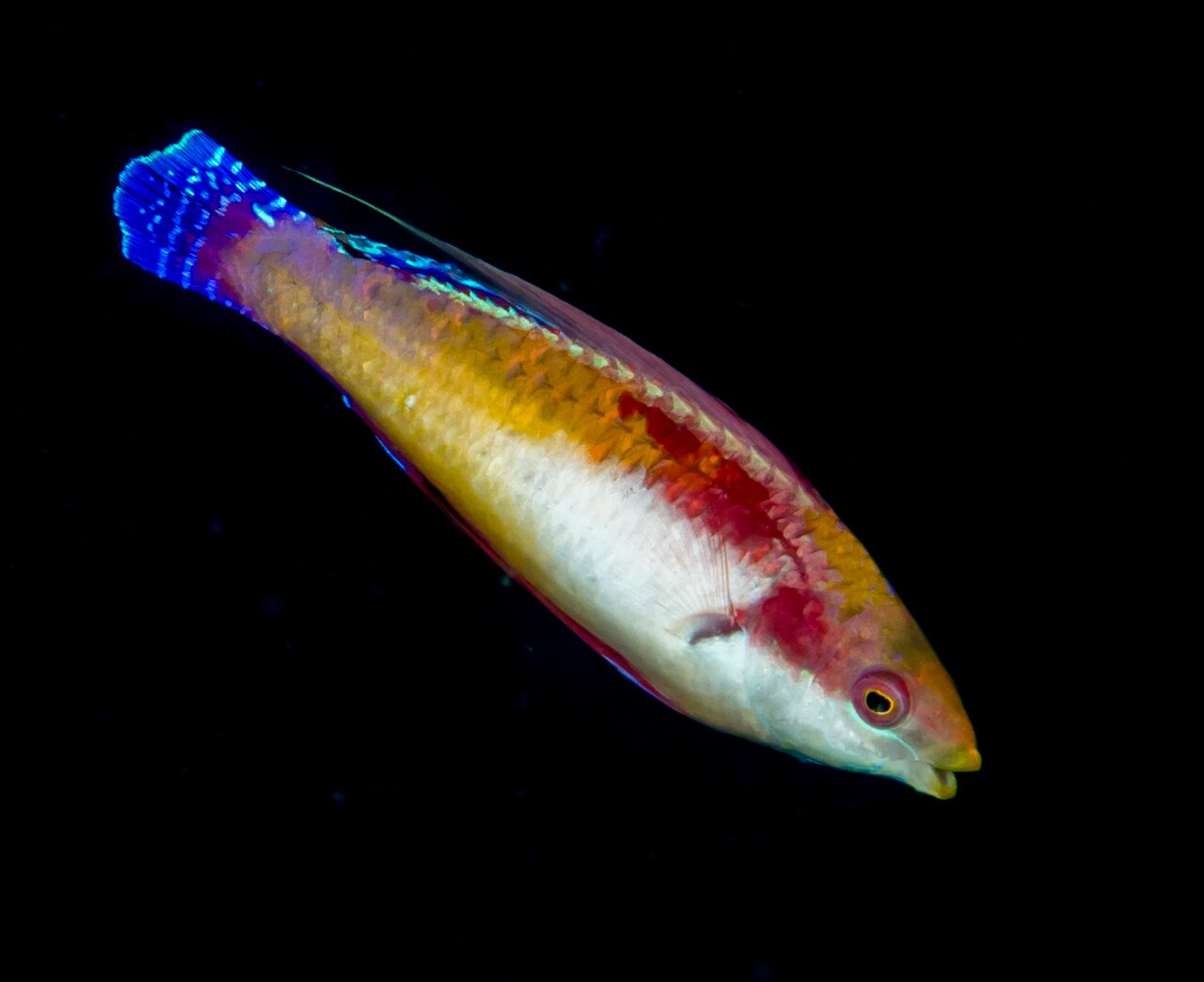
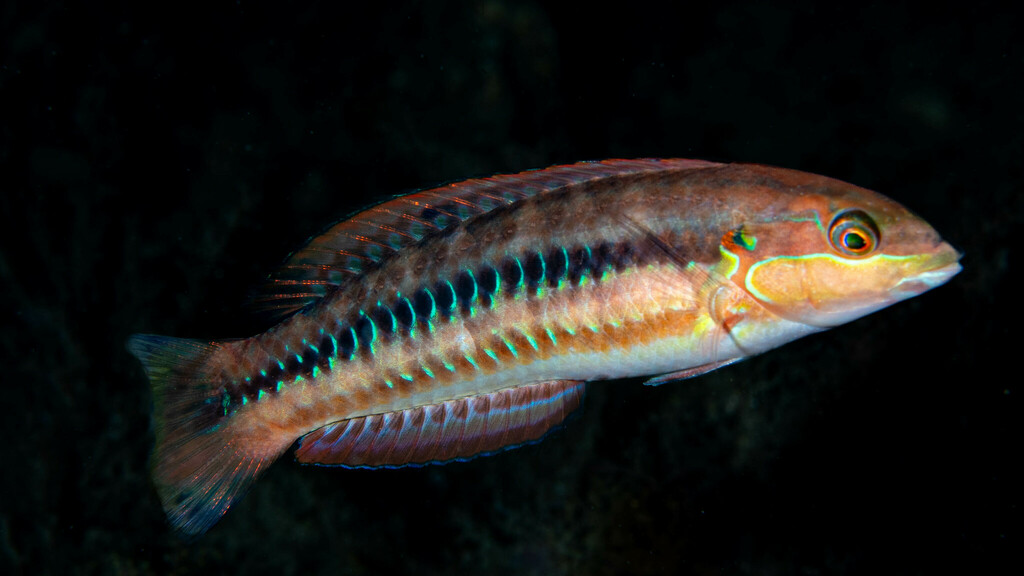
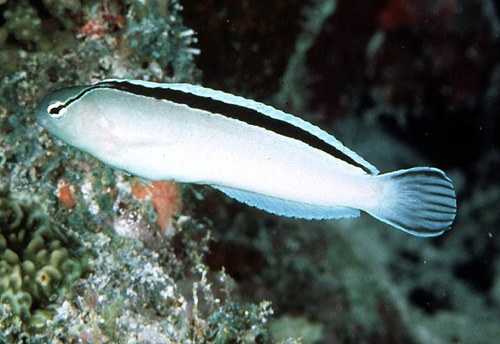
The False Leopard is a stunning marine fish, known for its vibrant colors and unique patterns.
Pricing for Verified Importers
Log in to see wholesale prices and order.
Export Size
up to 10.0 cm
Origin
Indo-Pacific
Temperature
24.0–28.0°C
Min. Tank Size
100 L
Salinity
1.020–1.025 ppt
pH
8.10–8.40
Diet
carnivore
The False Leopard, scientifically known as Macropharyngodon ornatus, is a captivating marine fish found primarily in the coral reefs of the Indo-Pacific region. This species is celebrated for its striking appearance, featuring a blend of bright blue and yellow hues adorned with intricate black spots, resembling the markings of a leopard. Its unique coloration not only makes it a favorite among aquarium enthusiasts but also serves as effective camouflage among the colorful corals and rocky substrates of its natural habitat.
In terms of behavior, the False Leopard is generally peaceful and tends to thrive in well-established reef environments. They are known to be somewhat shy, often taking refuge among rocks and corals when feeling threatened. This species exhibits a fascinating feeding mechanism, foraging for small invertebrates and zooplankton during the day, which highlights their role in the ecosystem as a natural predator of these organisms.
False Leopards prefer shallow waters, typically residing at depths of up to 30 meters. Their habitat consists of sandy bottoms intermixed with coral formations, providing both food sources and shelter. As a result, they are commonly found in areas with abundant coral cover, which supports their dietary needs and offers protection from larger predators.
Overall, the False Leopard is not only a vibrant addition to any marine aquarium but also an important species within its ecosystem, helping to maintain the balance of marine biodiversity in its native waters.
In terms of behavior, the False Leopard is generally peaceful and tends to thrive in well-established reef environments. They are known to be somewhat shy, often taking refuge among rocks and corals when feeling threatened. This species exhibits a fascinating feeding mechanism, foraging for small invertebrates and zooplankton during the day, which highlights their role in the ecosystem as a natural predator of these organisms.
False Leopards prefer shallow waters, typically residing at depths of up to 30 meters. Their habitat consists of sandy bottoms intermixed with coral formations, providing both food sources and shelter. As a result, they are commonly found in areas with abundant coral cover, which supports their dietary needs and offers protection from larger predators.
Overall, the False Leopard is not only a vibrant addition to any marine aquarium but also an important species within its ecosystem, helping to maintain the balance of marine biodiversity in its native waters.
When caring for the False Leopard, it is essential to maintain stable water parameters to ensure their health and well-being. The ideal temperature range for this species is between 24-28°C, with a salinity level of 1.020 to 1.025 ppt. The pH should be kept between 8.1 and 8.4 to mimic their natural reef environment. It is recommended to provide a minimum tank size of 100 liters, allowing ample space for swimming and hiding.
Feeding the False Leopard requires a varied diet that includes high-quality marine pellets, frozen or live brine shrimp, and small pieces of fish or invertebrates. They are primarily carnivorous, so it’s crucial to ensure they receive adequate protein sources for optimal health. Compatibility-wise, they coexist well with other peaceful reef species but may be territorial towards their own kind, particularly in smaller tanks.
Acclimation is a vital process for this species; a slow introduction to the aquarium environment is recommended to minimize stress. Quarantine for at least two weeks before introducing them to the main tank is advisable to monitor for any signs of disease. Regular water quality checks and maintenance will further support their health and longevity in captivity.
Feeding the False Leopard requires a varied diet that includes high-quality marine pellets, frozen or live brine shrimp, and small pieces of fish or invertebrates. They are primarily carnivorous, so it’s crucial to ensure they receive adequate protein sources for optimal health. Compatibility-wise, they coexist well with other peaceful reef species but may be territorial towards their own kind, particularly in smaller tanks.
Acclimation is a vital process for this species; a slow introduction to the aquarium environment is recommended to minimize stress. Quarantine for at least two weeks before introducing them to the main tank is advisable to monitor for any signs of disease. Regular water quality checks and maintenance will further support their health and longevity in captivity.
The False Leopard is suitable for shipping due to its hardy nature, although care must be taken to maintain optimal temperature conditions during transit. Packing density should be moderate, with enough space for the fish to move minimally to reduce stress. A temperature range of 24-27°C is ideal during shipping. This species is not listed under CITES, allowing for straightforward export procedures.
Species Parameters
Max Adult Size
10.0 cm
Origin
Indo-Pacific
Diet
carnivore
Temp Min
24.0 °C
Temp Max
28.0 °C
Salinity Min
1.020
Salinity Max
1.025
pH Min
8.10
pH Max
8.40
Min Tank
100 L