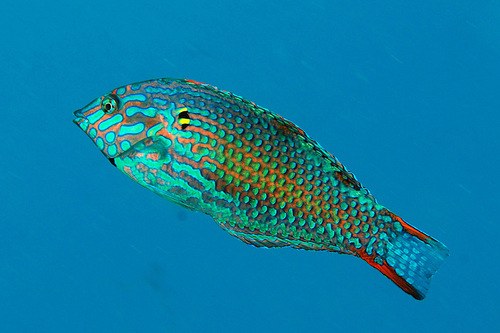
Leopard Wrasse
Macropharyngodon meleagris
In Stock
Common stock
Wild Caught
Moderate care
With Caution
SKU: CB-MF-0138
The Leopard Wrasse is a stunning marine fish known for its vibrant colors and unique patterns.
Pricing for Verified Importers
Log in to see wholesale prices and order.
Export Size
up to 12.0 cm
Origin
Indo-Pacific
Temperature
24.0–28.0°C
Min. Tank Size
150 L
Salinity
1.020–1.025 ppt
pH
8.10–8.40
Diet
carnivore
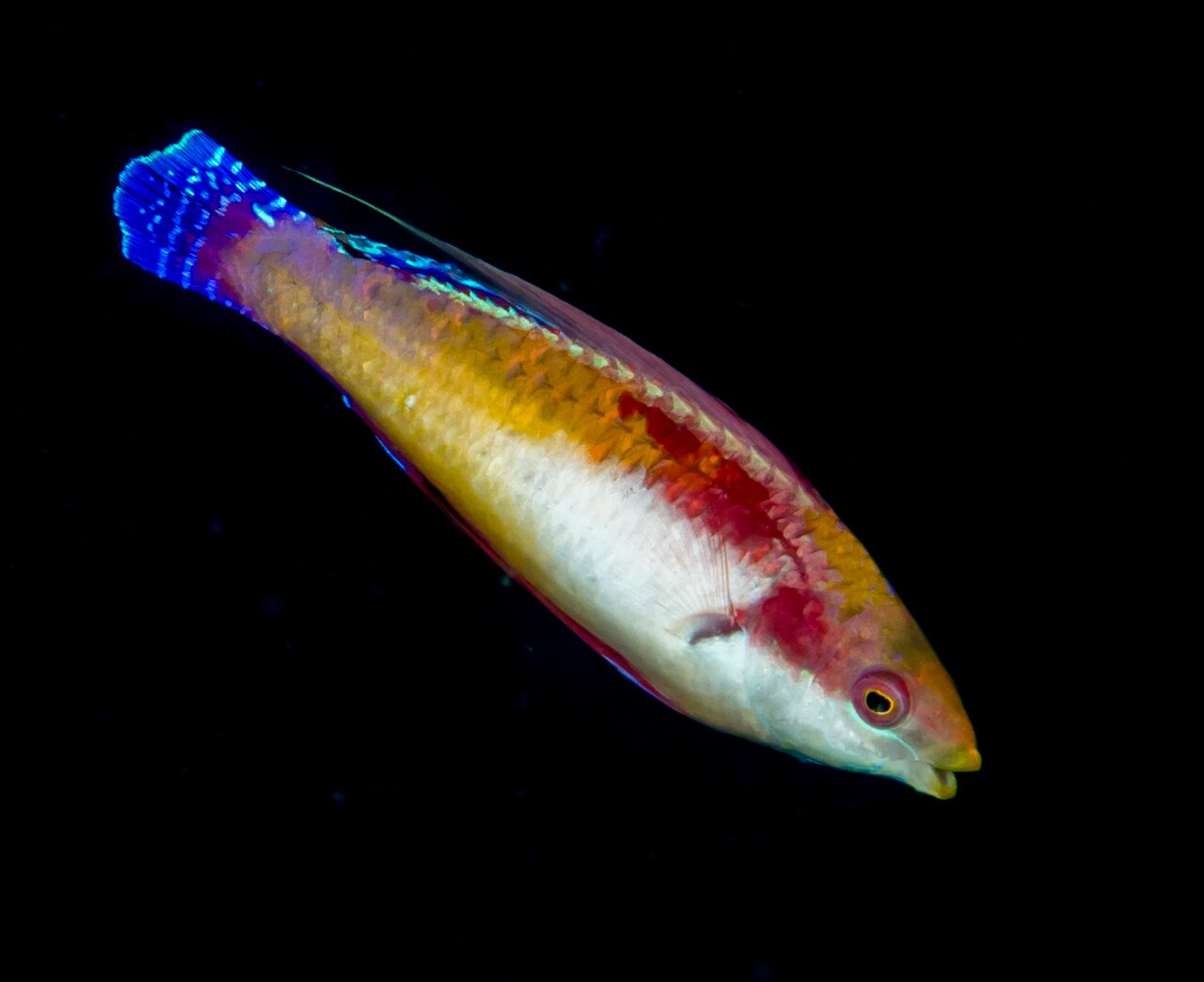
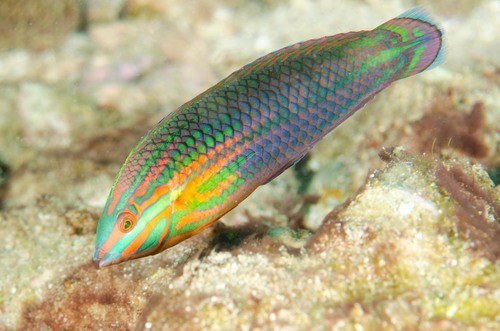
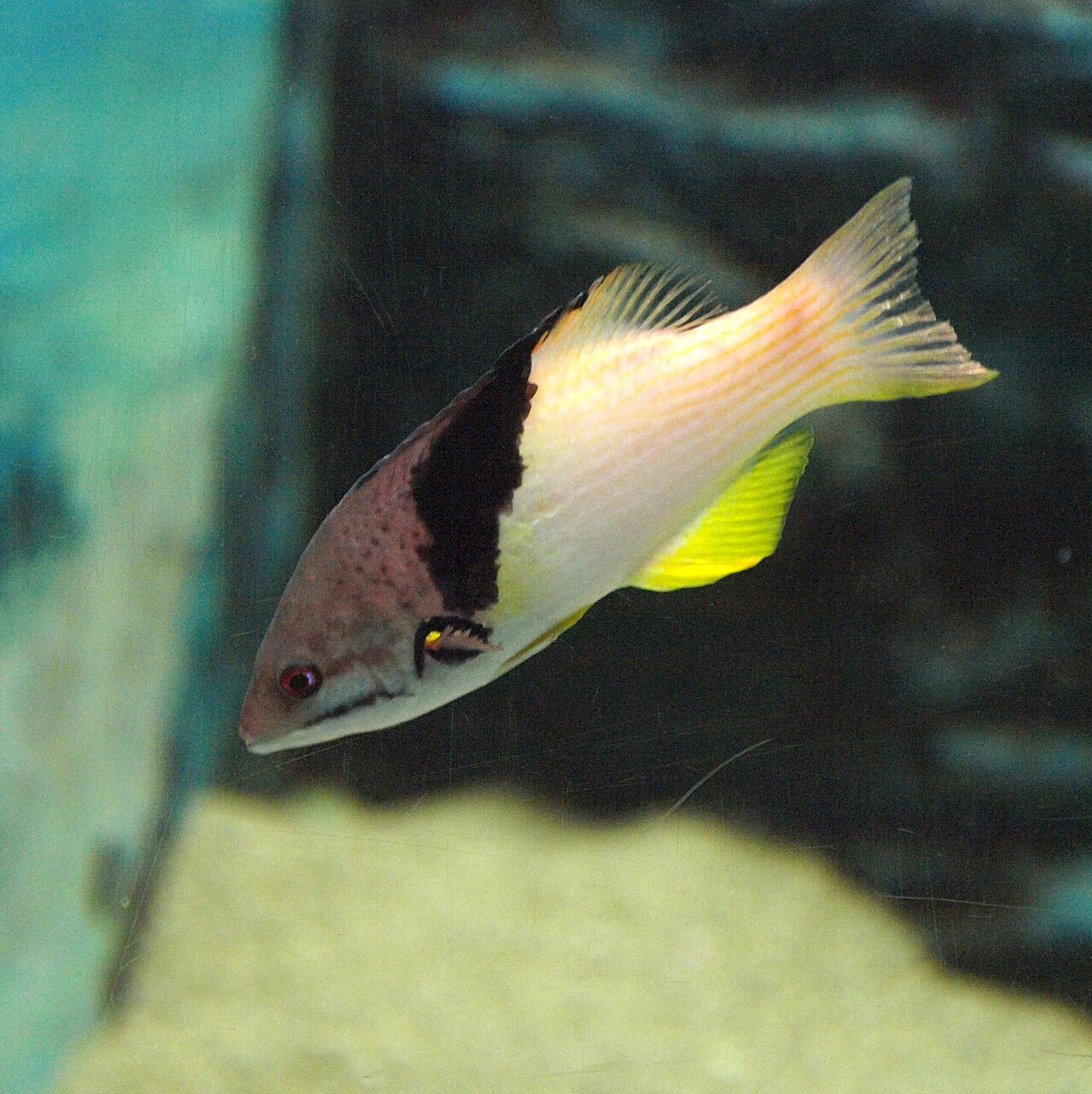
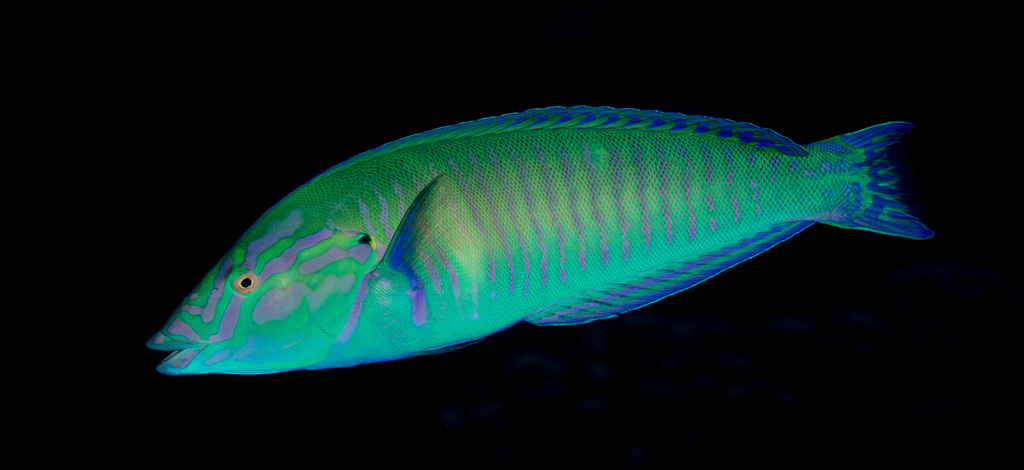
The Leopard Wrasse (Macropharyngodon meleagris) is an intriguing marine fish native to the coral reefs of the Indo-Pacific region. Known for its striking appearance, this species showcases a unique blend of vibrant colors, including greens, blues, and yellows, adorned with distinctive leopard-like spots. Adult Leopard Wrasses can reach up to 12 cm in length, making them a moderate-sized addition to any reef aquarium.
In terms of behavior, Leopard Wrasses are generally peaceful and are often found foraging in the sand for small invertebrates and crustaceans. They exhibit a unique burrowing behavior, often burying themselves in the substrate during the night or when threatened, which helps them avoid predators. Their active nature and lively movements make them a delightful sight for aquarium enthusiasts, particularly in well-planted or structured environments that mimic their natural habitat.
The Leopard Wrasse inhabits shallow reef environments, typically found at depths of 1 to 30 meters. They prefer sandy substrates where they can hunt for food and find refuge. This species plays an essential role in the ecosystem by helping to control invertebrate populations and contributing to the overall health of coral reefs. Their vibrant colors not only enhance the beauty of the reef but also attract divers and snorkelers, showcasing the diversity of marine life.
Due to their popularity in the aquarium trade, it is essential to ensure that Leopard Wrasses are sourced sustainably to protect their natural populations. This species is a favorite among marine aquarists for its beauty and active behavior, making it a valuable addition to any collection.
In terms of behavior, Leopard Wrasses are generally peaceful and are often found foraging in the sand for small invertebrates and crustaceans. They exhibit a unique burrowing behavior, often burying themselves in the substrate during the night or when threatened, which helps them avoid predators. Their active nature and lively movements make them a delightful sight for aquarium enthusiasts, particularly in well-planted or structured environments that mimic their natural habitat.
The Leopard Wrasse inhabits shallow reef environments, typically found at depths of 1 to 30 meters. They prefer sandy substrates where they can hunt for food and find refuge. This species plays an essential role in the ecosystem by helping to control invertebrate populations and contributing to the overall health of coral reefs. Their vibrant colors not only enhance the beauty of the reef but also attract divers and snorkelers, showcasing the diversity of marine life.
Due to their popularity in the aquarium trade, it is essential to ensure that Leopard Wrasses are sourced sustainably to protect their natural populations. This species is a favorite among marine aquarists for its beauty and active behavior, making it a valuable addition to any collection.
Leopard Wrasses thrive in well-maintained aquariums with stable water parameters. Ideally, the temperature should be maintained between 24°C to 28°C, with a salinity level ranging from 1.020 to 1.025 ppt. The pH should be kept between 8.1 and 8.4 to ensure optimal health.
Feeding Leopard Wrasses requires a varied diet that includes high-quality pellets, frozen foods, and live foods such as brine shrimp and mysis shrimp. They are carnivorous and should be fed multiple times a day to maintain their energy levels and vibrant colors. Compatibility-wise, they can coexist with other peaceful marine species, but extreme care should be taken when introducing them to an established tank to prevent territorial disputes.
Acclimation is crucial for the health of Leopard Wrasses; a slow and gradual acclimation process is recommended to reduce stress. It is advisable to keep them in a quarantine tank for at least two weeks before introducing them to the main display tank. This practice helps monitor their health and prevent the introduction of diseases into the main aquarium.
Feeding Leopard Wrasses requires a varied diet that includes high-quality pellets, frozen foods, and live foods such as brine shrimp and mysis shrimp. They are carnivorous and should be fed multiple times a day to maintain their energy levels and vibrant colors. Compatibility-wise, they can coexist with other peaceful marine species, but extreme care should be taken when introducing them to an established tank to prevent territorial disputes.
Acclimation is crucial for the health of Leopard Wrasses; a slow and gradual acclimation process is recommended to reduce stress. It is advisable to keep them in a quarantine tank for at least two weeks before introducing them to the main display tank. This practice helps monitor their health and prevent the introduction of diseases into the main aquarium.
Leopard Wrasses are suitable for shipping, though care must be taken to ensure optimal conditions during transit. It is recommended to pack them with sufficient oxygen and to maintain a stable temperature between 24°C and 28°C. CITES status is not applicable to this species, simplifying the export process. Ensure proper packing density to minimize stress during transport.
Species Parameters
Max Adult Size
12.0 cm
Origin
Indo-Pacific
Diet
carnivore
Temp Min
24.0 °C
Temp Max
28.0 °C
Salinity Min
1.020
Salinity Max
1.025
pH Min
8.10
pH Max
8.40
Min Tank
150 L